Guide to Starter Homes: 7 Tips for Buying Your First Home
Written by MasterClass
Last updated: Nov 6, 2026 • 10 min read
Buying a first home is a huge milestone that gives you the chance to build home equity on a property.

Learn From the Best
What Is a Starter Home?
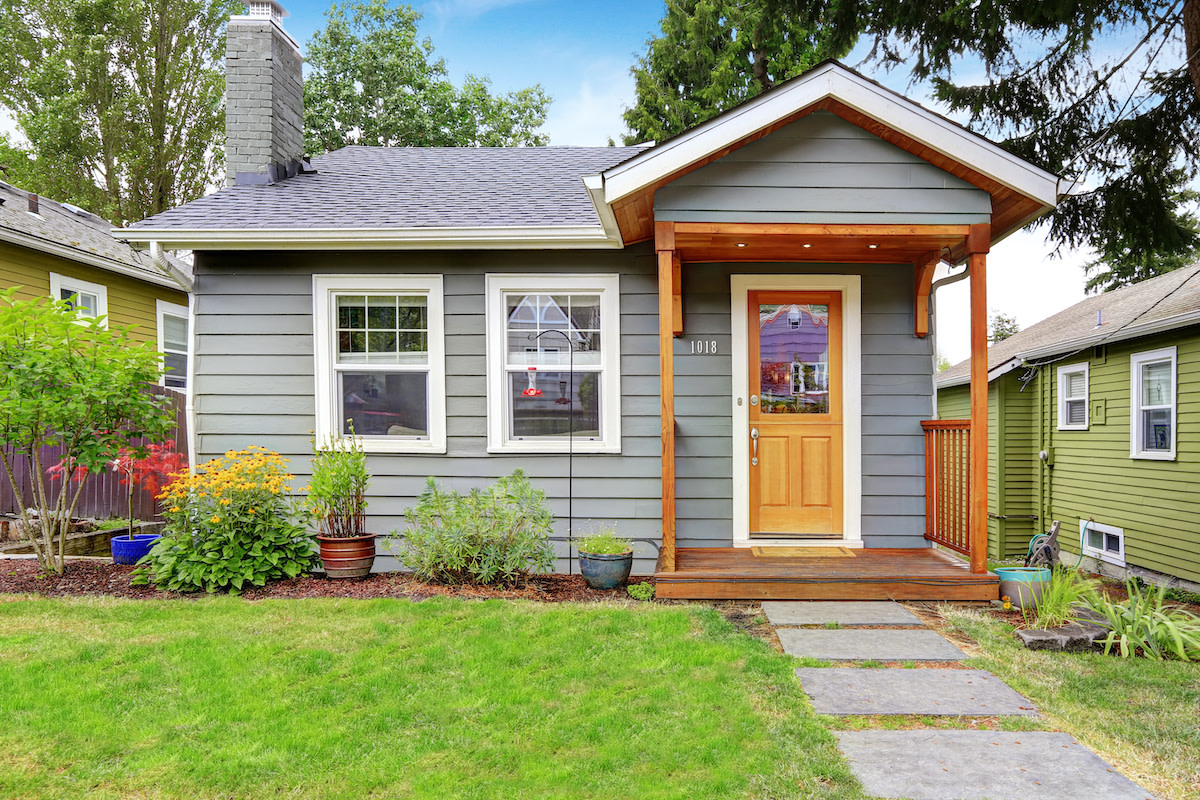
A starter home refers to a property purchased by a first-time homebuyer. Starter homes are often small, single-family homes, townhouses, or condominiums that may have fewer amenities than other, larger homes. These residences are often less-costly investments for young homeowners who are just getting started in their careers or building families. Homeownership can help families invest for their future as the monthly mortgage payments they pay contributes to their home equity.
3 Things to Look for in a Starter Home
Even if your starter home is not technically your “dream home,” it is important to know what to look for when purchasing your new home.
- 1. Affordability: The most important factor in choosing your starter home is finding something you can afford. Consider the property taxes, closing costs, homeowners insurance, and the potential renovation costs on top of the upfront down payment you will need to pay upfront to guarantee your mortgage loan. Some homes will also come with homeowners association fees, and other monthly payments depending on the type of property.
- 2. Condition: Make sure to get a thorough home inspection before moving forward with buying your first home. You may even want to include a home inspection contingency, because if a home is appraised at a rate below its sales price, it may affect your mortgage broker’s willingness to give you a loan.
- 3. Longevity: Even if you’re purchasing a starter home, you want to make sure that you can see yourself making a life in this new place. Consider the neighborhood, the school districts, and whether you can imagine building a community in this place. Keep in mind that you might be living in this house for 30 years or more.
7 Tips for Buying Your First Home
Before you consider buying a home, perform a thorough overview of your financial health. You can work with a bank to figure out an affordable price range for your first home. First-time buyers may also consider working with real estate agents to guide them through the paperwork and price negotiation, which can streamline the process and make it far less confusing. Consider the following tips before you start your search.
- 1. Understand your financial situation. Thoroughly assess your personal finances before you even start the process of looking for a home. Look at your credit score, how much debt you have, your monthly income, and make sure that you have an emergency fund. You want to make sure that you’re financially healthy enough for mortgage lenders to consider you as a viable loan recipient. Furthermore, you want to make sure that you’re not taking on too large of a financial risk.
- 2. Shop around for your mortgage. A mortgage loan is likely the largest and longest-term loan that most people, especially first-time homebuyers, will take out in their lifetime. As such, it is important for you to go with the right lender. Different lenders may offer you different rates and mortgage options, and shopping around can help you save.
- 3. Understand what type of loan you want. The two most common types of mortgages are fixed-rate mortgages and adjustable-rate mortgages. In a fixed-rate mortgage, the interest rate on the loan does not change even if the interest rate market fluctuates. In an adjustable-rate mortgage model, the interest rates are fixed but only for a certain amount of time. After that time, the rates are adjusted according to the federal interest rate which may go up or down. A Federal Housing Administration (FHA) loan is another loan option (usually for those with lower credit scores) that typically carries a low down payment, but also requires the borrower to pay a private mortgage insurance (PMI) rate to protect the lender. Tools such as mortgage calculators and affordability calculators can help you budget accordingly.
- 4. Work with a real estate agent. The home buying process is lengthy and involves a great deal of paperwork. A real estate agent can help you understand and streamline everything when you’re ready to start shopping. They can also help you negotiate a price for your home. These agents work off of commission, but the seller of the home is responsible for covering that cost in the listing price.
- 5. Consider a home’s potential. Turnkey homes are usually more expensive than fixer-uppers. Consider what a home could look like with small, economical home improvements that you can easily perform yourself. If a house is in your price range and has a good structure with a few outdated cosmetic features, it could be a great option. Often, first-time buyers will choose to purchase a fixer-upper and turn it into a place that can eventually carry a higher resale value.
- 6. Keep the extra fees in mind. From home appraisals, to renovations, to title insurance, to closing costs, your first home will involve many fees in addition to your home’s down payment. Work with your real estate agent to outline these fees and track how they work with your budget.
- 7. Choose a house that’s right for you. You can walk away from a home sale any time before your closing. If anything doesn’t feel right—including the location, the condition of the house, or anything else—you are allowed to back out of the sale up to the point of your final walk-through. Make sure that you feel that you’re making the right choice because you could be locked into a mortgage for up to 30 years.
Everyone You’ll Meet on the Road to Home Ownership
Before purchasing a new home, you should familiarize yourself with the parties involved in the home buying process, each of their roles, and, crucially, what you’re actually paying them to do.
- Buyer’s agent: The real estate agent or broker who helps you find properties that fit your criteria and, eventually, negotiates a fair purchase price on your behalf. You can find this person before or after you start home shopping and decide how involved they’ll be in your search you might delegate the work of finding listings entirely to them or share in the searching duties. Or you can simply tell them which properties you want to see, and, later, have them work on making offers and closing. In most cases, it’s smart to choose an agent early and lean on them heavily for support; their knowledge of on- and off-market listings, market factors and trends, property values, and neighborhoods, as well as their relationships with other real estate professionals, can be an enormous advantage.
- Home inspector: The person who examines the property you’re buying and writes a detailed report on its condition. The inspector looks closely for large and small issues, including the home’s structure, electrical systems, HVAC, plumbing, and roofing, which may not be visible during your walk-through. A home inspection is voluntary, but most mortgage lenders require that the buyer have one performed; your agent or lender should have trusted inspectors to recommend. Based on the inspection, you may request that the seller pays for repairs, ask for a price reduction to reflect repair costs, or even back out of the deal entirely. (If the seller wants you to waive your home inspection contingency, which allows you to walk away if serious issues are discovered, that’s a huge red flag.)
- Seller: The current homeowner. In most cases, as the buyer, you’ll never actually meet or interact with a seller directly. You each hire skilled professionals (i.e., an agent or a broker) to represent your interests and prevent negotiations from getting contentious.
- Seller’s agent or listing agent: The real estate agent or broker who represents the current homeowner. The seller’s agent relies on expertise and connections to help set a reasonable price to attract interest, stages the home for showings and photography, manages MLS listings, fields offers, and negotiates for a higher price, and works through any post-inspection requests for repairs. As a buyer, your agent might be able to access the property for a solo tour, meaning you won’t meet the seller’s agent. But they’ll more than likely be the person running any open houses you attend.
- Appraiser: The person who reviews the condition of the property, then determines fair market value by comparing it with similar homes in the area. Mortgage lenders usually require a home appraisal and choose a certified third-party appraiser, whom you as the buyer will pay, to ensure that your home is worth the mortgage amount you’re requesting. (If market data show that a home is worth significantly less than the requested amount, the lender may deny your loan, modify the terms, or ask you for a larger down payment.)
- Mortgage lender: The institution—such as a bank, independent mortgage lender, or credit union—that loans you money to buy a home. A loan officer employed by the lender will explain the various loan options and let you know what documents are needed. They’ll also work with an underwriter (see below) to confirm your ability to repay the loan, with interest, over a set period of time. Lenders often lack the resources to run the day-to-day operations for every loan they originate; typically, they’ll finalize your loan, then sell it to a mortgage servicer (see below), informing you of the debt sale well in advance.
- Underwriter: The person who calculates the level of risk you pose to a lender. Before a lender will approve you for a mortgage, the underwriter analyzes your financial documents to determine whether you can afford the home you want to buy. If they determine that extending a loan to you is too risky, the lender may deny your mortgage request, require a larger down payment, or ask you to add a cosigner.
- Mortgage servicer: The company that manages day-to-day tasks for your loan. Whereas the mortgage lender initially loans you money, the servicer acquires your debt and oversees the account for the life of the loan. They ensure that taxes and insurance are paid from your escrow account, send you statements, process monthly payments, track the principal and interest owed, answer your questions, and, if you fail to pay, can initiate a foreclosure.
- Notary signing agent: The impartial third party who acts as a witness to the signing of your closing documents. They will make sure you’re completely aware of what you’re signing, notarize (legalize) your documents by adding their signature and seal for state recordkeeping, then mail the completed documents for official filing.
- Real estate attorney: The lawyer who reviews contracts for you, explains legal paperwork, and may be involved in your title search and closing process. Some states (including Delaware, Massachusetts, New York, Georgia, North Carolina, and South Carolina) require that a real estate attorney be involved in home purchases. In certain cases, they may handle the title search, confirming the sale is legal before handing their results to the title company to issue title insurance. Even when it’s not required, you may want to hire a lawyer who specializes in real estate to review paperwork and explain it to you.
- Title insurer or title company: The title company performs a “title search” (reviews public records) for the property to confirm there aren’t any issues interfering with the sale. If there are overdue taxes, zoning restrictions, or liens against the property, you won’t receive a “clean title.” A title attorney will vet everything to make sure it’s legal, and if everything checks out, a title agent schedules your closing date and facilitates by providing documents, collecting closing costs, transferring keys, and ensuring that your new home’s title records are properly filed.
- Tax adviser: The person who assists with your tax concerns and ensures you’re aware of the tax ramifications of purchasing a home. Your adviser will explain the tax implications of drawing money from certain kinds of funds or using gifted money to make your down payment, as well as how your state taxes will change as a result of your home purchase. Your real estate agent can answer some of these questions, but it’s best to consult a certified public accountant (CPA) for the most accurate information to avoid any surprises come tax season.
- Homeowner’s insurance provider: A homeowner’s insurance provider insures your home in the event of a disaster. In order to secure a home loan, mortgage lenders require you to obtain homeowner’s insurance to protect the property in the future. You are free to choose the provider and policy; it’s wise to begin shopping around and requesting detailed quotes as soon as you’ve submitted your mortgage application. Keep in mind factors like the property’s location, wage, condition, and the potential for severe weather conditions where you’re buying.
Ready to Learn the Ins and Outs of the American Housing Market?
All you need is a MasterClass Annual Membership and our exclusive video lessons from prolific entrepreneur Robert Reffkin, the founder and CEO of the real estate technology company Compass. With Robert’s help, you’ll learn all about the intricacies of buying a home, from securing a mortgage to hiring an agent to tips for putting your own place on the market.


Business
Everyone You’ll Meet During the Home Buying Process
Aug 3, 2021

Business
15 Item Checklist for First-Time Home Buyers
Jun 15, 2021

Business
11 Steps to Buying a House: 4 Benefits of Home Ownership
May 6, 2021

Business
How Long Does It Take to Close on a House?
Jun 8, 2021

Business
Home Appraisal Guide: Understanding the Home Appraisal Process
May 12, 2021

Business
Jumbo Loan: Jumbo Mortgage Qualifications
Oct 14, 2022
Other articles
Guide to Gifts of Equity: How a Gift of Equity Works in Real Estate
Jun 14, 2021
What Is a Condo? Differences Between a Condo vs. Apartment
May 6, 2021
Upfront Cost Definition: 8 Upfront Costs of Buying a Home
Oct 16, 2020
70% Rule Explained: How the 70% Rule Works in Home Buying
Aug 19, 2021
A Guide to Arm's Length Transactions
Jun 10, 2021
A Basic Guide to Prefab Construction and Modular Homes
Sep 3, 2020