French Garden Guide: Design Tips for French Gardens
Written by MasterClass
Last updated: Sep 25, 2021 • 3 min read
French landscape design emphasizes clean lines and tidiness for a garden that looks controlled and balanced. Use these tips to learn how to design your French garden.

Learn From the Best
What Is a French Garden?
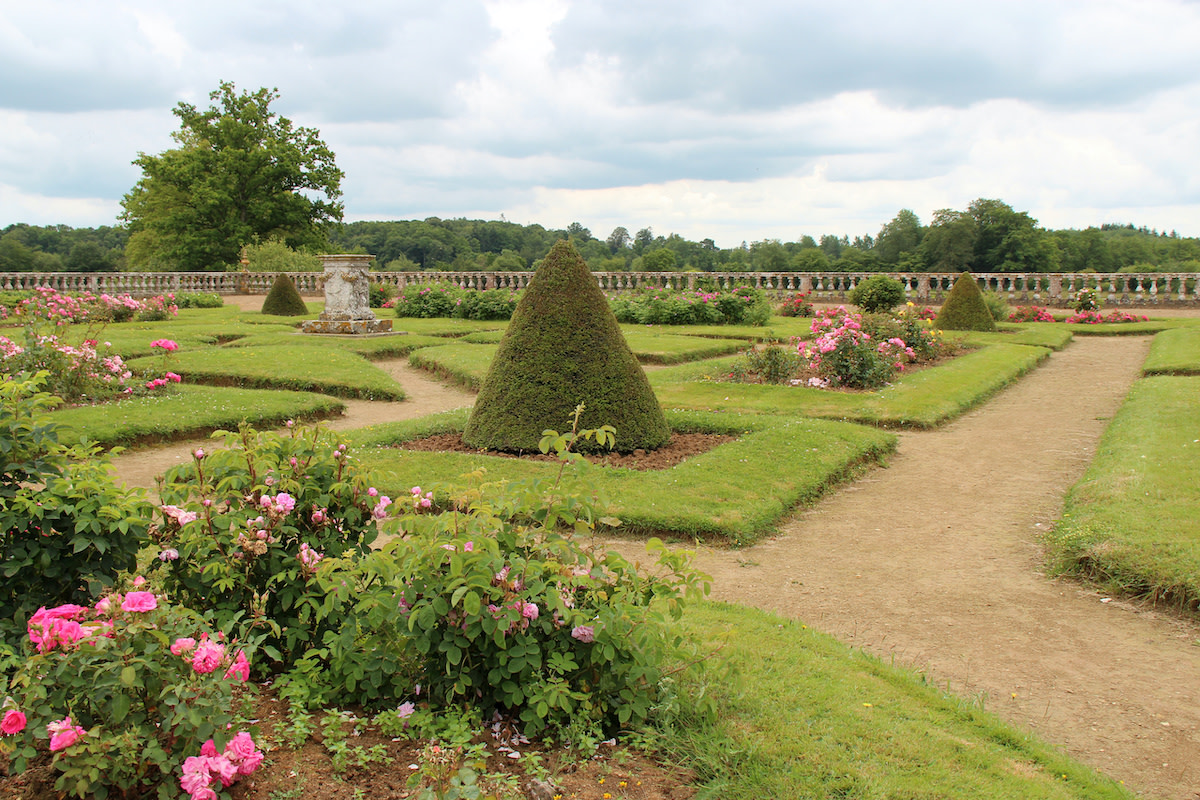
A French-style garden (or jardin à la Française) is a modern gardening style that emphasizes symmetry, order, stonework, geometric shapes, and a limited color palette. Sometimes, landscapers further break up French-style gardening into two disciplines: the formal French garden, which has the most structure, and the French country garden, which has a slightly less manicured look.
The French garden tradition has its roots in Italian and French Renaissance landscaping, which emphasized harmony and order. The most famous formal French garden is the seventeenth-century Gardens of Versailles, which appeared to have total control over nature to emphasize King Louis XIV’s wealth and power. Other famous examples include the Château de Villandry and Le Pavillon de Galon in Provence.
Another type of French garden, the potager, emphasizes vegetable garden beds, informal design, and complicity with nature. However, designers typically associate it with the English garden rather than the French-style garden umbrella due to its more organic appearance.
Plants for a French Garden
Traditional French-style gardens feature plants that thrive in the temperate climate of France. Here are a few of the most popular traditional plants for French garden landscapes:
- Decorative trees: Trees are a popular way to create a border or privacy wall around a French garden, always planted in rows or symmetrical patterns. Trees for French gardens include hornbeam, beech, shaped juniper, and Meyer lemon.
- Hedging plants: Hedging plants are a key structural design element to French gardens since they add necessary straight lines and visual borders to landscaped areas. Popular French garden hallmarks include lavender, boxwood hedges, rosemary, hydrangeas, and roses.
- Climbing plants: Climbing plants can add visual interest to French garden design, especially if gardeners train them to climb decorative trellises, pergolas, or particular parts of a wall. French climbing plants include climbing roses and ivy.
5 Tips for Designing a French-Style Garden
If you’re interested in designing a tidy, French-style garden, here are some design ideas to get you started:
- 1. Make a meticulous plan: French-style gardens aren’t a haphazard type of project—they require strict planning and measuring to ensure that the final result feels deliberate, tidy, and precise. Before you buy plants or dig holes, measure your space and draw up a meticulous plan to achieve a truly organized and balanced-looking garden.
- 2. Choose a limited array of plants: A limited plant list is one of the keys to maintaining a sense of order and tidiness in a French landscaping style. Traditional French formal gardens even had a strict color palette, only allowing flowers in cool color shades of blue, purple, or white. Selecting a palette and a limited plant list will help you achieve a sense of order in your garden.
- 3. Opt for slow-growing plants: French-style gardens are all about tidiness, which means that if your plants start to become overgrown and wild, they’ll immediately throw off the balanced look. If you want a French-style garden without daily or weekly maintenance pressures, consider filling your planting beds with slower-growing varieties to reduce the frequency of maintenance days.
- 4. Use stonework for extra interest: French gardens incorporate stonework (or other hardscaping) to add more clean lines to the outdoor space or serve as a centerpiece or focal point. A pea gravel path is a classic French garden staple. Still, flagstone, fountains or other water features, stone benches, planters or urns, statuary, topiaries, or low walls can all bring tidy hardscape complements into your landscape.
- 5. Incorporate borders: One trick to making a clean line in your garden is adding borders—whether that’s gravel borders, shrub borders, raised flower beds (called parterres), stone walls, ornamental grasses, or fencing. Borders add straight, clean lines to a space and reinforce the feeling of control and organization.
How to Maintain a French Garden
Since French-style gardens aim to demonstrate mastery over nature, regular maintenance is key to a beautiful garden.
- Prune: Prune all trees, shrubs, and lawns regularly to maintain their strict, manicured shapes. Learn how to prune your plants and trees with this complete guide.
- Clear: Clear away fallen leaves, fruits, or flowers immediately to maintain a clean, orderly look.
- Clean: Regularly sweep or scrub stonework to avoid staining or buildup of moss or mineral deposits.
Learn More
Grow your own garden with Ron Finley, the self-described "Gangster Gardener." Get the MasterClass Annual Membership and learn how to cultivate fresh herbs and vegetables, keep your house plants alive, and use compost to make your community—and the world—a better place.


Home & Lifestyle
How to Train Your Dog Not to Run Away in 8 Steps
Nov 22, 2022

Home & Lifestyle
How to Grow Sage in Your Home Garden
Jun 7, 2021

Home & Lifestyle
Brandon McMillan’s 10 Tips to Prevent Your Dog From Door Dashing
Dec 10, 2021

Home & Lifestyle
How to Grow Kohlrabi in Your Backyard Garden
Jun 7, 2021

Home & Lifestyle
Hummingbird Sage: How to Care for Hummingbird Sage Plants
Jan 4, 2022

Home & Lifestyle
DIY Bookcase Tutorial: How to Build Your Own Bookcase
Aug 19, 2021
Other articles
Claude Debussy: A Guide to Claude Debussy’s Life and Music
Jun 25, 2021
How to Play Basketball: Explore the Basics of Basketball
Jun 7, 2021
How to Write a Horror Story in 7 Steps
Dec 8, 2021
Daniel Pink’s ABC’s of Selling: Inside the 3 Key Sales Qualities
Dec 10, 2021
Wine 101: What Is Barrel Aging? Understanding the Barrel Aging Process in Winemaking and the Difference Between Steel and Oak Barrels
Sep 2, 2022
Heavy Metal Music Guide: A Dive Into Heavy Metal Music
Jul 15, 2021