French Press Exercise Guide: How to Master French Presses
Written by MasterClass
Last updated: Jun 7, 2021 • 3 min read
Whether you’re an experienced weightlifter or a novice lifter, the French press is a useful triceps exercise to include in your strength-training program.

Learn From the Best
What Is a French Press?
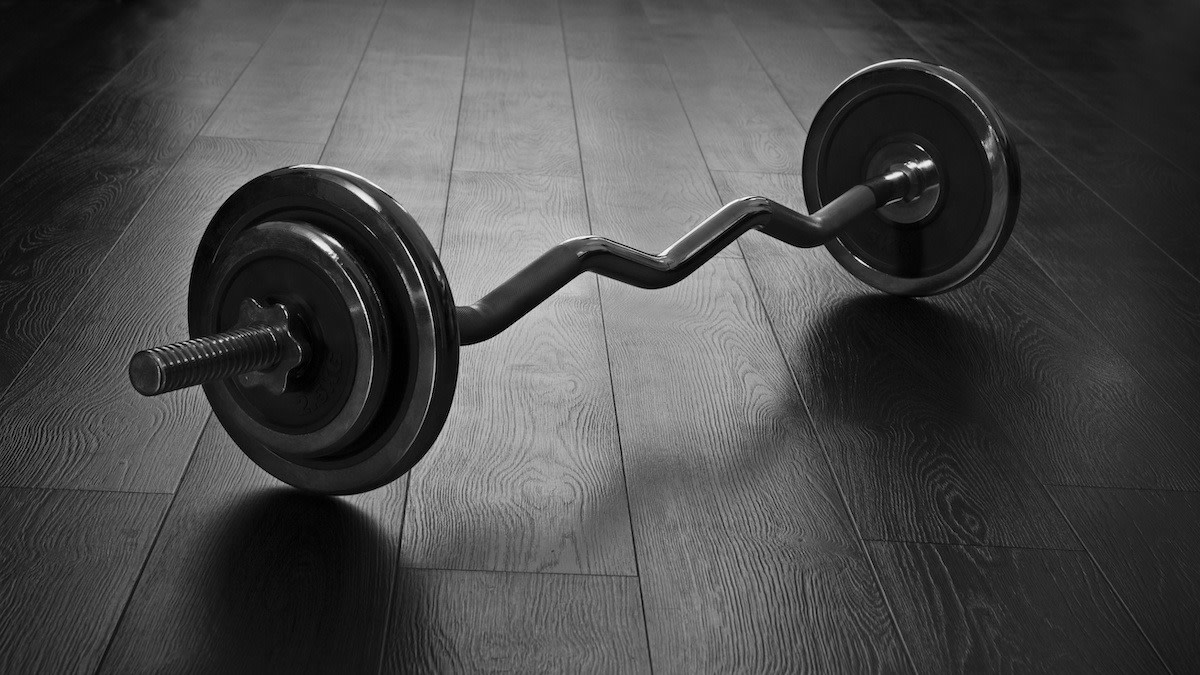
A French press is an isolation exercise that activates your triceps. Perform the French press exercise by standing with your feet shoulder-width apart. Grab an angled EZ curl bar with an overhand grip (palms facing away from your body). Lift the EZ bar straight up above your head. Bend your elbows and lower the bar behind your head before lifting it again. Continue this movement for your desired number of repetitions.
3 Benefits of Doing French Presses
Incorporating French presses into your weight-training routine can have several benefits.
- 1. French presses can build stronger triceps muscles. The French press exercise targets the muscles on the backs of your arms—specifically the long head of the triceps.
- 2. French presses can increase stabilization. French presses activate muscles throughout your upper body and lower body as stabilizers—including your glutes, core, lower-back muscles, pecs, and deltoids.
- 3. French presses can improve other exercises. With practice, the French press can improve your performance during other bodybuilding exercises like deadlifts, pull-ups, close-grip bench presses, and push-ups.
How to Do a French Press With Proper Form
For the French press exercise, begin by using a weight that you can control for 2–3 sets of 10–12 repetitions. Choose a weight that allows you to maintain good technique throughout all sets and repetitions.
- 1. Grab an EZ curl bar and stand with your feet hip-width apart and a slight bend in your knees.
- 2. Push the EZ curl bar overhead and rotate your shoulders outward to engage your lats. Your upper back should remain tight and stable throughout the entire set. Maintain a neutral wrist position and a comfortable grip. Your elbows should point forward. Your posture should be tall with your shoulders over your hips.
- 3. Maintain a neutral head and neck position. Your chin should remain tucked throughout the movement, as if you were holding an egg under your chin. Evenly distribute your weight and grip the floor with your feet to create a stable position. Pre-tension your shoulders and hips while engaging your core. Your pelvis should be slightly tucked and your ribs should be down. All repetitions should begin from this starting position.
- 4. While keeping your upper arms still, bend your elbows and allow the EZ curl bar to travel behind your head. Lower the weight in a slow, controlled manner until your lower arms contact your upper arms. Pause at the bottom position.
- 5. Squeeze your triceps and straighten your elbows until you’ve returned to the starting position. Your elbows should be slightly bent at the end of the repetition to keep tension on your triceps.
- 6. Repeat for your desired number of reps.
3 French Press Variations
Once you’ve mastered the traditional French press, try one of these three variations.
- 1. Seated French press: Perform this variation by sitting on a flat bench while lifting the EZ curl bar above your head. Seated French presses take pressure off your stabilizer muscles, allowing you to focus on your arms.
- 2. Skull crushers: Also known as the lying triceps extension, this exercise involves lifting the bar overhead while lying back on a flat bench. Skull crushers use a slightly smaller range of motion than standard French presses.
- 3. Dumbbell French press: This variation uses a pair of dumbells rather than an EZ bar, bringing attention to any muscle asymmetries you may have developed by favoring one side of your body over the other.
How to Work Out Safely and Avoid Injury
If you have a previous or pre-existing health condition, consult your physician before beginning an exercise program. Proper exercise technique is essential to ensure the safety and effectiveness of an exercise program, but you may need to modify each exercise to attain optimal results based on your individual needs. Always select a weight that allows you to have full control of your body throughout the movement. When performing any exercise, pay close attention to your body, and stop immediately if you note pain or discomfort.
To see continual progress and build body strength, incorporate proper warm-ups, rest, and nutrition into your exercise program. Your results will ultimately be based on your ability to adequately recover from your workouts. Rest for 24 to 48 hours before training the same muscle groups to allow sufficient recovery.
Want to Dive Deeper Into Your Wellness Journey?
Throw on some athleisure, fire up a MasterClass Annual Membership, and get ready to sweat it out with exclusive instructional videos from Nike Master Trainer and GQ fitness specialist Joe Holder. Want to improve your cardiovascular endurance? Give Joe’s HIIT workout a go. Trying to get a little swole? He’s got a strength training workout for that. From fitness tips to nutrition hacks, Joe will have you feeling healthier in no time.


Wellness
7 Lower-Body Exercises for Building Strength
Sep 17, 2021

Wellness
6 Relationship Questions to Ask Your Partner
Feb 24, 2023

Wellness
Knee Crunch Guide: How to Do Knee Crunches Properly
Aug 10, 2021

Wellness
Sex Position Names: Explore 9 Sex Positions
May 5, 2022

Wellness
6 Types of Running and How to Prepare for a Run
Aug 20, 2021

Wellness
How to Slow Down: 10 Different Ways to Slow Down
Sep 17, 2021
Other articles
New England Clam Chowder: 4 Tips for Making Chowder
Oct 23, 2026
Claude Debussy: A Guide to Claude Debussy’s Life and Music
Jun 25, 2021
How to Play Basketball: Explore the Basics of Basketball
Jun 7, 2021
How to Write a Horror Story in 7 Steps
Dec 8, 2021
Daniel Pink’s ABC’s of Selling: Inside the 3 Key Sales Qualities
Dec 10, 2021
Wine 101: What Is Barrel Aging? Understanding the Barrel Aging Process in Winemaking and the Difference Between Steel and Oak Barrels
Sep 2, 2022