How Climate Change Affects the Planet
Written by MasterClass
Last updated: Jun 7, 2021 • 3 min read
The effects of climate change reach far and wide. According to climate models, the impacts of climate change have the potential to cause irreparable damage to our planet. As the greenhouse effect traps gases and pollutants within the Earth’s atmosphere, it leads to a rise in the average global temperature, upsetting the balance of many of our fragile ecosystems.

Learn From the Best
What Is Climate Change?
Climate change is a term used to reflect the change in Earth’s average temperature and usual global climate conditions over time. While the Earth’s climate is always changing due to its positioning, or the amount of the sun’s energy it receives, the planet has been experiencing a steady temperature rise compared to pre-industrial levels.
According to NASA, Earth’s average temperature has increased by slightly more than one degree Celsius or two degrees Fahrenheit since 1880. This additional heat alters the planet’s standard weather patterns, leading to a rise in extreme weather events like hurricanes, tornadoes, and heatwaves. Global warming, rising sea levels, ocean acidification, famine, wildfires, droughts, infectious diseases, and a loss of ecosystem variability, also known as biodiversity, are adverse effects of climate change.
What Causes Climate Change?
Greenhouse gas emissions are the leading cause behind the change in Earth’s climate. These emissions consist primarily of carbon dioxide, methane, and nitrous oxide, which trap heat in the atmosphere, raising the global temperature and causing climate change. The burning of fossil fuels, deforestation, and other industrial processes release these pollutants in the air. While some of these elements occur from natural processes, the increase in human activity since the Industrial Revolution was the catalyst for the intensity and proliferation of greenhouse gas emissions.
What Is the Difference Between Climate Change and Global Warming?
The difference between global warming and climate change is that global warming refers explicitly to the rise in global average temperatures. Climate change encompasses the various aspects and incidences of our changing climate, like famine, wildfire, and droughts. Climate change includes global warming and other environmental issues affecting our planet, such as extreme weather changes, the melting of arctic sea ice, wildfires, sea-level rise, coral reef bleaching, and biodiversity loss.
How Climate Change Affects the Planet
Climate change causes rising temperatures, which can be detrimental to major resources like food and water. Here are some other ways it affects the planet:
- Rising temperatures affect crops. The average surface temperature of the Earth, and our oceans, continues to rise, disproportionately affecting many regions and contributing to an unstable climate system. As the Earth’s surface heats up, more evaporation occurs, increasing precipitation in storm-affected areas that can lead to flooding or crop degradation.
- Higher temps cause droughts. Areas that are farther away from storm tracks, like hotter and drier regions, will experience more evaporation and less precipitation, causing droughts. These lower water levels become the new average over time, making these areas uninhabitable for the area’s existing populations. According to the Intergovernmental Panel on Climate Change (IPCC), humanity has until the year 2030 to limit climate change or dramatically increase the risk of extreme heat, floods, and droughts that will affect hundreds of millions of people worldwide. Learn about reducing your carbon footprint to combat global warming.
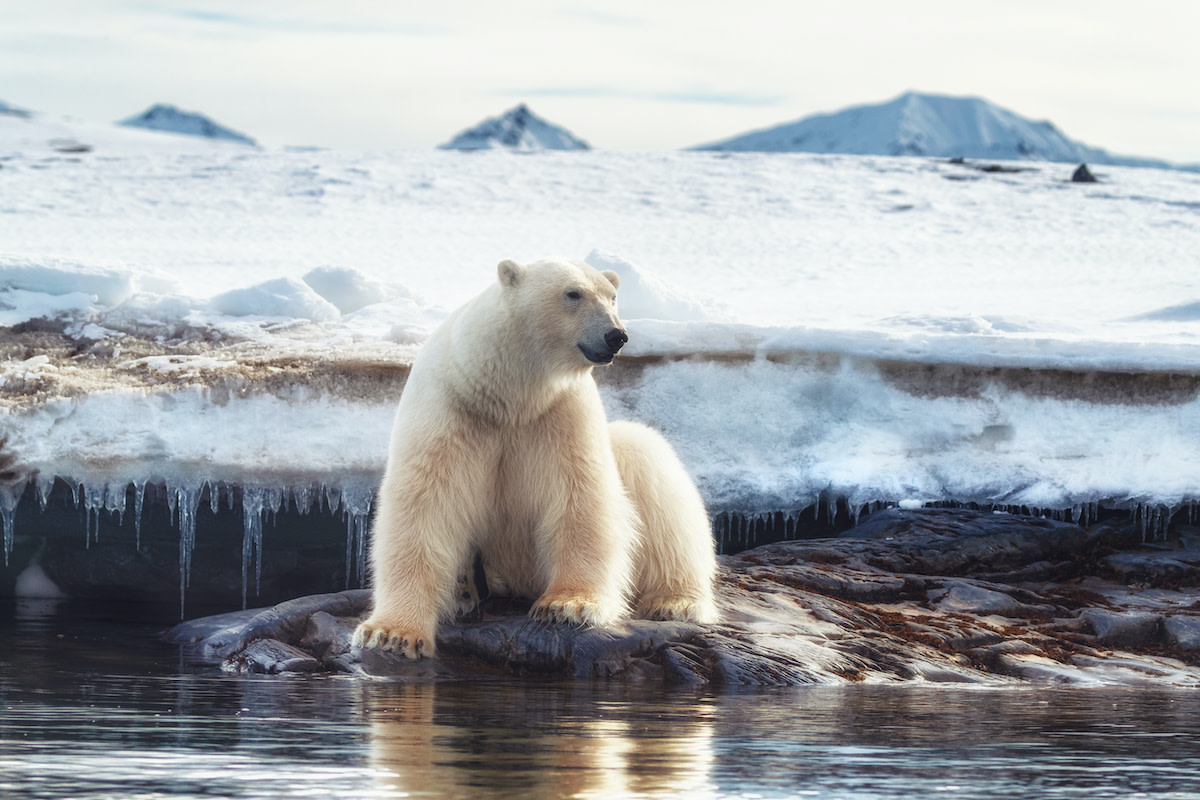
- Ocean levels rise. Additionally, as ocean temperatures increase, more polar ice caps and glaciers melt, altering the habitat of many arctic creatures, leading to a rise in ocean levels. Currently, the ice sheets of Greenland and Antarctica contain over 99 percent of the Earth's freshwater (the Antarctic ice sheet alone is roughly the size of the United States and Mexico combined). Rising ocean levels drive storms farther inland, contaminating soil with salt, destroying wetlands, and damaging or potentially inundating coastal cities.
Learn More
Get the MasterClass Annual Membership for exclusive access to video lessons taught by masters, including Jane Goodall, Bill Nye, Neil deGrasse Tyson, Paul Krugman, and more.


Science & Tech
Correlation Explained: What Is Correlation in Statistics?
Mar 21, 2022

Science & Tech
Food Sustainability: Supporting Sustainable Farming Practices
Mar 3, 2022

Science & Tech
Frequency Distribution: What Is a Frequency Distribution?
Mar 10, 2022

Science & Tech
What Is Salyut 1? Learn About the History and Impact of the World’s First Space Station
Sep 29, 2021

Science & Tech
What Is a Spacewalk? Learn Why Astronauts Perform Spacewalks and How Astronauts Train for Spacewalks
Sep 29, 2021

Science & Tech
Understanding Nature Conservation: 6 Conservation Methods
Jun 7, 2021
Other articles
New England Clam Chowder: 4 Tips for Making Chowder
Oct 23, 2026
Claude Debussy: A Guide to Claude Debussy’s Life and Music
Jun 25, 2021
How to Play Basketball: Explore the Basics of Basketball
Jun 7, 2021
How to Write a Horror Story in 7 Steps
Dec 8, 2021
Daniel Pink’s ABC’s of Selling: Inside the 3 Key Sales Qualities
Dec 10, 2021
Wine 101: What Is Barrel Aging? Understanding the Barrel Aging Process in Winemaking and the Difference Between Steel and Oak Barrels
Sep 2, 2022