How to Mulch Your Vegetable Garden: 4 Types of Organic Mulch
Written by MasterClass
Last updated: Jun 7, 2021 • 3 min read
Mulch is material you put on top of your vegetable garden to prevent weeds and manage soil. There are several types of mulch—which is best depends on your crop.

Learn From the Best
Mulch is a wonderful tool for keeping your garden beds healthy.
What Is Mulch?
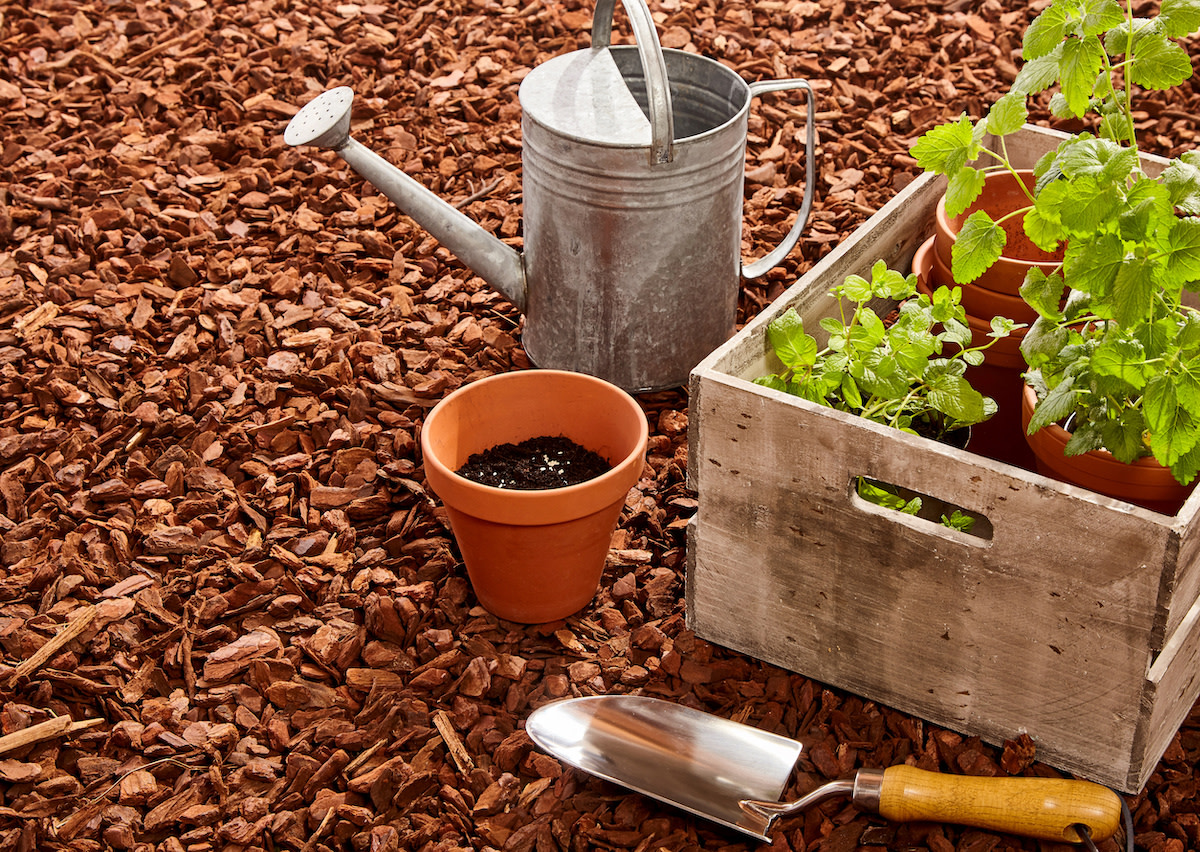
Mulch is a layer of material you place on top of the soil in your garden. Organic mulches are the most common types of mulch used in gardening. These include wood chips, bark mulch, grass clippings, pine needles, leaves, peat moss, and even sawdust. Inorganic mulches include plastic mulch, synthetic rubber mulch, gravel, and pebbles.
What Are the Benefits of Mulch?
Mulch benefits your garden in a number of ways.
- Prevents weeds. When you cover the soil in your garden with mulch, weeds have a hard time germinating.
- Maintains soil temperature and moisture. Mulch regulates soil temperature and aids in moisture retention.
- Improves soil structure. Earthworms and other beneficial soil creatures love organic matter like mulch; as it decomposes, mulch becomes fuel for the soil food web, just like compost. This improves the soil structure of both topsoil and the lower layers.
4 Common Types of Mulch
Gardeners have a wide array of popular mulch materials from which to choose.
- 1. Pine bark: Pine bark mulch stymies weed growth. It comes shredded or in bark nuggets. Note that since pine is a softwood, heavy rain washes it away.
- 2. Hardwood mulch: Hardwood mulch stays in place longer than pine bark mulch, and it’s especially effective at suppressing weeds. This mulch type can be made of hardwood bark or shredded pulp.
- 3. Grass clippings: Grass clippings are a byproduct of lawn-mowing. If your lawnmower collects clippings in a bag, you can apply those clippings as a mulch layer in the garden—just make sure you don't put grass treated with herbicides in your vegetable garden.
- 4. Straw: You can use lightweight straw to protect young vegetables in the early part of the growing season. Straw is not the best mulch for shrubs and trees, as it breaks down slowly. Steer clear of using hay for mulch, as it often contains seeds that sprout as weeds.
How to Use Mulch in Your Garden
Garden centers offer many types of organic and inorganic mulch. It’s important to match the kind of mulch you use with each crop.
- Choose the right type of mulch. Wood chips are ideal for fruit trees, shrubs, perennial flower beds, and other large, long-lived plants. Dainty vegetables prefer lighter mulches, like straw and leaves. Acid-loving plants grow well with pine needle mulch (or pine straw) but dislike gravel and pebbles, which are alkaline.
- Mulch your garden shortly after planting. It's best to mulch soon after you plant, particularly in the early spring when plant seeds are growing but weed seeds are still dormant. Even with the best garden mulch, weeding will be a regular part of your routine.
- Check mulch for termites. Watch out for low-quality wood chips, which may contain termites. In all cases, ensure that you keep mulch at least six inches away from your home's foundation to keep termites out of your house.
- Use a thin layer of mulch. You only need a thin layer of mulch to get the optimal effect. New plants need regular circulation of air and water, and an overly mulched area can inhibit that. Two to three inches of mulch will typically do the trick. If you notice clumps, spread mulch around so that it's even throughout your planting area.
Learn More
Grow your own food with Ron Finley, the self-described "Gangster Gardener." Get the MasterClass Annual Membership and learn how to cultivate fresh herbs and vegetables, keep your house plants alive, and use compost to make your community - and the world - a better place.


Home & Lifestyle
How to Train Your Dog Not to Run Away in 8 Steps
Nov 22, 2022

Home & Lifestyle
How to Grow Sage in Your Home Garden
Jun 7, 2021

Home & Lifestyle
Brandon McMillan’s 10 Tips to Prevent Your Dog From Door Dashing
Dec 10, 2021

Home & Lifestyle
How to Grow Kohlrabi in Your Backyard Garden
Jun 7, 2021

Home & Lifestyle
Hummingbird Sage: How to Care for Hummingbird Sage Plants
Jan 4, 2022

Home & Lifestyle
DIY Bookcase Tutorial: How to Build Your Own Bookcase
Aug 19, 2021
Other articles
New England Clam Chowder: 4 Tips for Making Chowder
Oct 23, 2026
Claude Debussy: A Guide to Claude Debussy’s Life and Music
Jun 25, 2021
How to Play Basketball: Explore the Basics of Basketball
Jun 7, 2021
How to Write a Horror Story in 7 Steps
Dec 8, 2021
Daniel Pink’s ABC’s of Selling: Inside the 3 Key Sales Qualities
Dec 10, 2021
Wine 101: What Is Barrel Aging? Understanding the Barrel Aging Process in Winemaking and the Difference Between Steel and Oak Barrels
Sep 2, 2022