How to Roast Sunflower Seeds: 4 Sunflower Seed Recipe Ideas
Written by MasterClass
Last updated: Aug 13, 2021 • 3 min read
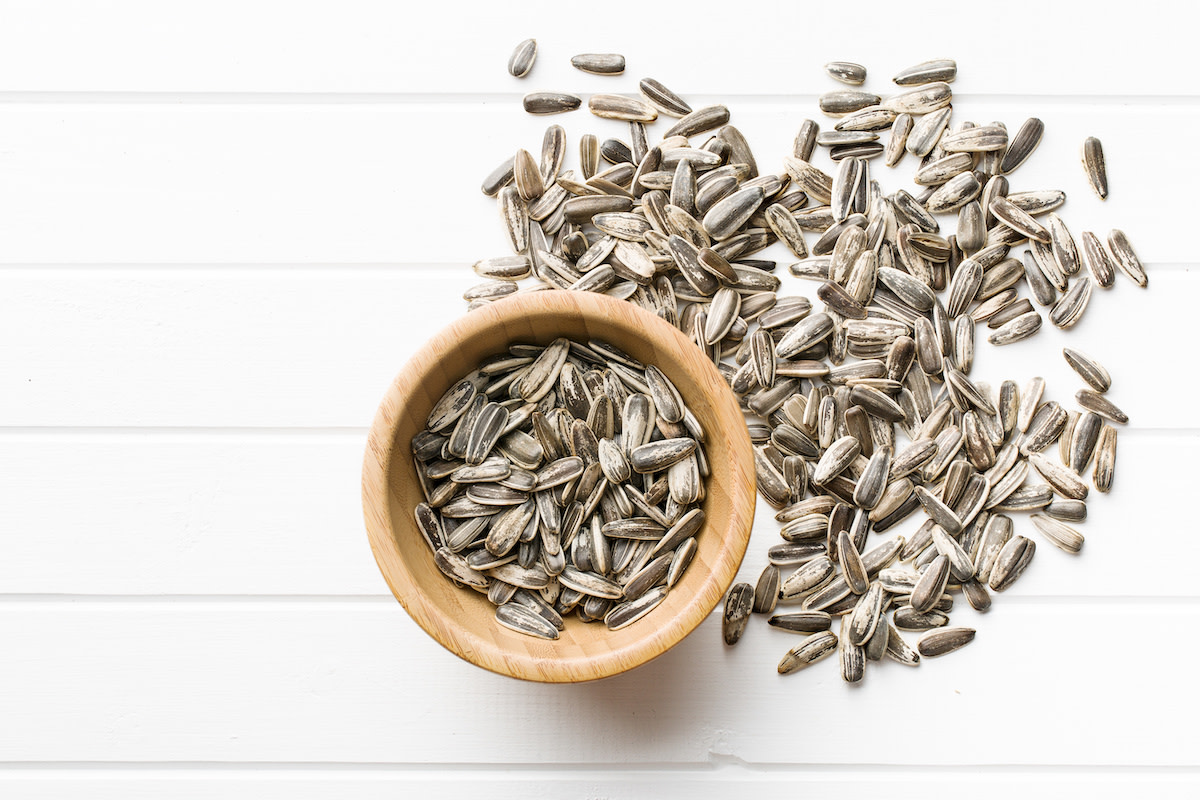
Sunflower seeds are a popular type of seed (similar to pumpkin seeds or chia seeds) that are great as a snack or used as an ingredient in many diverse recipes.

Learn From the Best
What Are Sunflower Seeds?
Sunflower seeds are the fruit of sunflower plants (scientifically known as Helianthus annuus). They are tear-shaped seeds that grow in the center of sunflower heads, and each seed is composed of an outer shell, called the hull, and an inner meat called the kernel.
The sunflower plant is a flower with a large, yellow head. Sunflowers grow best in full sun and are native to North America—there is evidence that ancient Native Americans were cultivating and harvesting sunflower seeds as early as 3000 BC. There are many varieties of sunflowers, including giant sunflowers, sunflowers with larger seed heads, and sunflowers the make high-oil-content seeds.
The biggest producers in the world of sunflower seeds are Ukraine, Russia, and China. In the United States, most sunflower seeds are produced in North Dakota, Minnesota, and California.
How to Roast Sunflower Seeds
Preheat oven to 400F. Layer sunflower seeds in a pan. Sprinkle with a light, even layer of salt. Roast for 15-20 minutes. Sunflower seeds are ready when the shell splits open.
How to Cook With Sunflower Seeds
Sunflower seeds are predominantly consumed as healthy snacks, especially as an alternative to tree nuts for people with allergies.
- Over green salads. Sunflower seeds can be tossed—shelled and whole—with any green salad to add a crunchy texture. Sunflower seeds pair well with sweet flavors, so they are especially popular in salads that include strawberries, cranberries, or other sweet fruits.
- Baked into breads. Sunflower seeds can be mixed into bread dough and baked, adding a nutty, toasted flavor to any bread—savory or sweet.
- Sprinkled atop pastries. Sunflower seeds add a crunchy garnish to sweet, baked goods, like muffins or cookies.
- Tossed with vegetables. Shelled sunflower seeds are a great way to add crunch to vegetable sides, especially green beans, and are a good replacement for bread crumbs or slivered almonds in vegetable dishes.
What Is Sunflower Oil?
Sunflower oil is extracted from sunflower seeds, is available in both refined (neutral-tasting) and cold-pressed (buttery, nutty) forms. Cold-pressed, unrefined sunflower oil is harder to find in the US and best saved for vinaigrettes and other low-heat applications that can show off its flavors. Refined sunflower oil can be used in place of any neutral vegetable oil, for searing, sautéeing, frying, and more.
How to Store Sunflower Seeds
Sunflower seeds are slightly more perishable than other nuts and seeds, and for best shelf life they should be kept in the refrigerator in an airtight container (rather than a plastic or paper bag). They can be kept for several months without spoiling.
What Are the Health Benefits of Sunflower Seeds?
Sunflower seeds are filled with healthy fats, fatty acids, and vitamins, and eating sunflower seeds can offer a variety of health benefits. One serving of sunflower seeds (around one ounce) has been found to be a good source of:
- Polyunsaturated fats. These fatty acids are recommended as the healthiest fats to consume for a healthy heart, and they can also help lower cholesterol levels and regulate blood pressure and blood sugar. Polyunsaturated fats can also help prevent weight gain, because they help you feel full where other types of fats won’t.
- Vitamin B6. Sunflower seeds are an excellent source of vitamin B6, which helps the body process protein, carbs, and fat, and is essential for keeping the brain and immune system healthy.
- Antioxidants. Sunflower seeds are high in antioxidants, including vitamin E, and these antioxidants promote strong heart health, lessen inflammation, and lower risk of cardiovascular disease by fighting free radicals (molecules that damage cells in the body).
- Dietary fiber. Sunflower seeds are a rich source of dietary fiber, which contributes to gastrointestinal health.
Become a better chef with the MasterClass Annual Membership. Gain access to exclusive video lessons taught by culinary masters, including Alice Waters, Massimo Bottura, Gordon Ramsay, and more.


Food
New England Clam Chowder: 4 Tips for Making Chowder
Oct 23, 2026
Food
Wine 101: What Is Barrel Aging? Understanding the Barrel Aging Process in Winemaking and the Difference Between Steel and Oak Barrels
Sep 2, 2022

Food
Simple Syrup Recipe: How to Make Simple Syrup for Cocktails
Oct 20, 2026
Food
Almond Meal vs. Almond Flour: What’s the Difference?
Sep 7, 2021
Food
What Is DOC and DOCG Wine? Differences Between DOC, DOCG, IGT, and VdT on Italian Wine Labels
Aug 10, 2021
Food
How to Cut Shiitake Mushrooms
Mar 25, 2022
Other articles
Claude Debussy: A Guide to Claude Debussy’s Life and Music
Jun 25, 2021
How to Play Basketball: Explore the Basics of Basketball
Jun 7, 2021
How to Write a Horror Story in 7 Steps
Dec 8, 2021
Daniel Pink’s ABC’s of Selling: Inside the 3 Key Sales Qualities
Dec 10, 2021
Heavy Metal Music Guide: A Dive Into Heavy Metal Music
Jul 15, 2021
Learn the Difference Between Phrases and Clauses
Aug 11, 2021