How to Store Rhubarb: 3 Ways to Store Rhubarb
Written by MasterClass
Last updated: Dec 17, 2021 • 3 min read
Rhubarb is a versatile vegetable that makes for delicious desserts. Read on to learn about how to keep it fresh.

Learn From the Best
What Is Rhubarb?
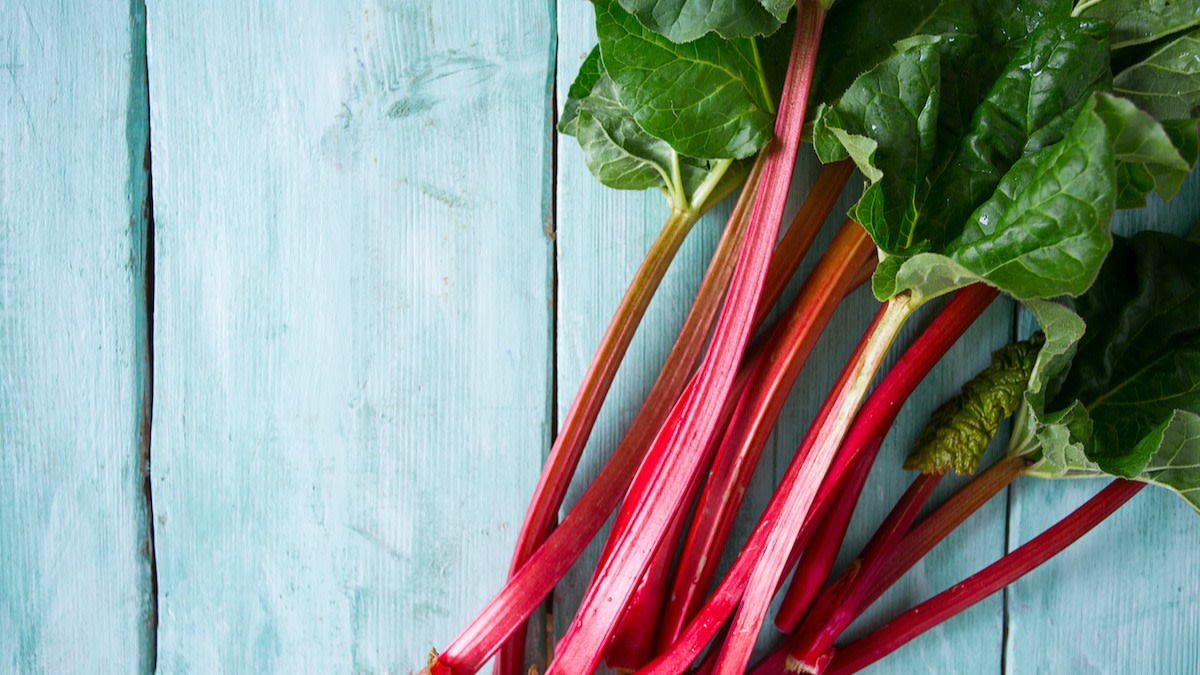
Rhubarb plants (Rheum rhabarbarum) are, botanically-speaking, a perennial vegetable, with large leaves and long, pinkish red stalks (also called petioles). Though originally classified a vegetable, rhubarb was legally declared a fruit by a New York court in 1947. The USDA has classified it that way ever since, thanks in part to how the slightly bitter stalk serves as an ideal template for all manner of desserts.
How Long Does Rhubarb Stay Fresh?
Rhubarb stalks can stay fresh at room temperature for as long as a week, although this will depend on their freshness when picked, as well as the temperature and humidity of your kitchen: Lower humidity and temperature will translate to longer shelf life. If kept in the fridge, you can extend the shelf life to a few weeks, provided they are properly contained. Freezing will preserve the most freshness for the longest period of time but can be impractical if you want to use your rhubarb soon.
How to Store Rhubarb
As with all produce, there are multiple variables to consider when preserving freshness and flavor, but it shouldn’t be too hard to keep your rhubarb properly preserved for your culinary ambitions.
- 1. On the counter: If you plan on using your rhubarb soon, either for baking or making preserves, you can keep it out on the counter for a few days. This works best in a cool, dry climate to prevent bacterial or fungal spoilage. Allowing air circulation will also improve your chances of keeping your rhubarb ready to use.
- 2. In the refrigerator: If storing your rhubarb in the fridge, prepare the stalks by trimming any excess leaves. Then wrap the cut rhubarb in loose, breathable plastic. You can make a few holes in a plastic bag, or use a perforated plastic bag; the idea is to allow some amount of air to circulate and to let ethylene gas, which accelerates the ripening process, escape. The crisper drawer, which often has a way to adjust air circulation, can also be of use for this. Alternatively, you can store rhubarb in an airtight container, although this might lead to a less crunchy, overripe rhubarb.
- 3. In the freezer: Whether you plan to eventually make a rhubarb jam or rhubarb pie, you can cut the stalks into 1-inch pieces before freezing them. Place the pieces straight in a freezer bag or airtight container, or lay them in a single layer on a baking sheet. The rhubarb pieces will last in the freezer for a few months.
3 Tips for Freezing Rhubarb
There are numerous rhubarb recipes, and doing some prep work before putting fresh rhubarb in the freezer can ease the process of baking. Consider these tips:
- 1. Trim the rhubarb stalks. Before storing rhubarb, it’s a good idea to cut off any excess leaves, and trim any rough or uneven ends of the stalks. Keep the rhubarb leaves away from children and pets—the leaves contain high levels of oxalic acid, which is poisonous.
- 2. Prepare the rhubarb for recipes. Before deciding how to best preserve your rhubarb, consider how you plan to use it. On its own, rhubarb is puckeringly tart, so bakers typically add sweeteners, like sugar or honey. If you are going to bake rhubarb or make it into a preserve, you will probably want to cut it before storage. (If you aren’t going to freeze rhubarb, it’s best not to chop it—the additional surface area of chopped rhubarb can make the pieces more vulnerable to rot.)
- 3. Blanch the rhubarb. You can blanch the pieces before freezing them. First, put them in boiling water, and then, after only a minute, transfer them to cold water—the colder, the better. The ice water shocks the rhubarb and helps maintain its color and flavor. After air-drying the pieces on a baking sheet, kitchen towel, or paper towel, pack the pieces in a single layer in the freezer bag or container and place them in the freezer. Frozen rhubarb will maintain freshness for several months.
Want to Learn More About Cooking?
Become a better chef with the MasterClass Annual Membership. Gain access to exclusive video lessons taught by the world’s best, including Alice Waters, Gabriela Cámara, Niki Nakayama, Chef Thomas Keller, Gordon Ramsay, Yotam Ottolenghi, Dominique Ansel, and more.


How to Freeze Rhubarb: Simple Method for Freezing Rhubarb
Sep 15, 2021

How to Cut Rhubarb: 5 Tips for Harvesting Rhubarb
Sep 2, 2022

How to Store Celery: 6 Ways to Use Celery in Your Cooking
Sep 15, 2021

How to Store Cauliflower: 3 Ways to Preserve Cauliflower
Dec 17, 2021

How to Store Broccoli: 4 Ways to Store Broccoli
Jan 23, 2022

How to Store Eggplant: 3 Ways to Preserve Eggplant
Jan 24, 2022
Other articles
How to Store Zucchini: 3 Ways to Store Zucchini
Sep 28, 2021
Mandarin Orange: 4 Ways to Store Fresh Mandarin Oranges
Sep 29, 2021
How to Store Bell Peppers: 6 Ways to Store Bell Peppers
Dec 17, 2021
How to Keep Cucumbers Fresh: Tips for Whole or Cut Cukes
Oct 29, 2021
How to Store Cake: 7 Cake Storage Tips to Preserve Freshness
Dec 3, 2021
Learn About Rhubarb: 6 Rhubarb Recipes
Jun 9, 2020