How to Use Minimalist Interior Design to Simplify Your Home
Written by MasterClass
Last updated: Jun 7, 2021 • 3 min read
Minimalism is a simple design style that serves as a practical way to decorate a living space, making the rooms in your home feel open, clean, and comfortable.

Learn From the Best
What Is Minimalism?
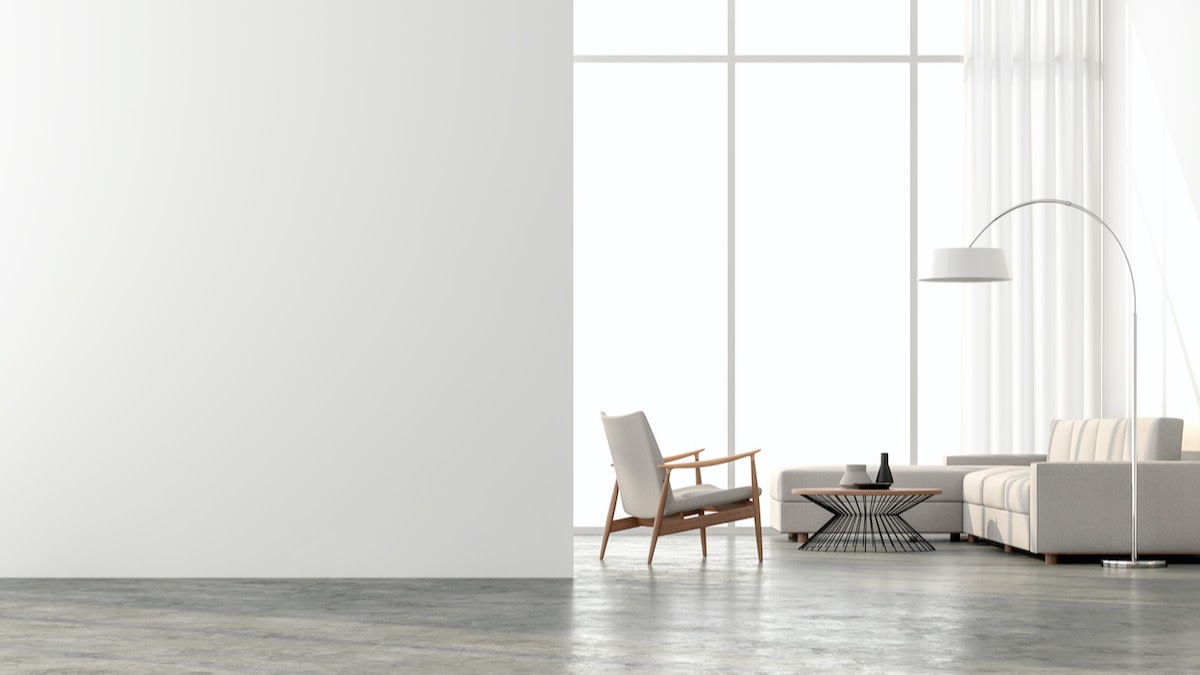
Minimalism is a design style that emphasizes extreme simplicity, focusing on clean lines, minimal color, and basic shapes. This classic design style accentuates the architectural features of a room rather than concealing them with decor, aiming to highlight the true nature of each design aspect.
4 Characteristics of Minimalist Interior Design
Minimalist interior design is a simple way to style any home or working space, creating a clutter-free environment while offering warmth and comfort. Common characteristics of a minimalist approach to design include:
- 1. Clean lines: Minimalist style design is uninhibited by superfluous visual elements. The architecture is visible and emphasized to create clean design. The decor often features flat, smooth surfaces and minimal patterns or ornate details.
- 2. Monochromatic colors: Another key principle of minimalism is the use of color. Minimalism uses a simple color palette, often employing different shades of the same color. Saturated colors are mostly reserved for accents, while the rest of the color palette centers around soft or neutral shades.
- 3. Functionality: Minimalism focuses on elements of the highest importance, stripping a room down to its essence and providing only the elements necessary to live comfortably in that particular space. Minimalism involves practical use of space, which means focusing on purposeful furnishings, resulting in fewer pieces of furniture.
- 4. Open spaces: The minimalist style often features open floor plans and lots of light, turning your bedroom or living room into a soothing and calming space.
6 Tips for Creating Minimalist Interior Design
If you want to simplify your interior decor, here are some tips for incorporating minimalist style in your own home:
- 1. Keep your decor purposeful. Minimalist principles value function over flourish, which means every piece of furniture and art serves a purpose. Whether you choose to emphasize exposed beams or simple window treatments, your minimalist decor should be functional and distraction-free.
- 2. Use texture. Use textures like cloth, canvas, and boucle to add visual interest to minimalist interiors. Different textures can add visual weight to your design elements without overcrowding the aesthetic. Textures are important to consider in paints, textiles, plasters, marble, furniture, art, woods, moldings, and other surfaces.
- 3. Choose appropriate artwork. Color, shape, size, and texture are important aspects to consider when selecting art for a minimalist room because these elements impact how a piece fits within your minimalist style. Adding too many pieces of artwork to a wall can create clutter, so you’ll need to determine if you prefer a few medium-size works or a single bold piece as the focal point for a room.
- 4. Use small details to make interiors inviting. A minimalist interior can run the risk of appearing cold and uninviting. Adding small color accents or soft textiles like wool and cotton can warm up a space, making it feel cozier. Your goal in creating a minimalist home is to reduce the clutter and busyness of a room while creating a welcoming atmosphere.
- 5. Keep it neutral. Choose neutral colors and shades for your color palette. To keep your rooms from becoming one-note, incorporate different colors without overwhelming your basic aesthetic. Learn more about using a color wheel to find complementary color combinations here.
- 6. Embrace white space. Embracing your white space—the empty space between tangible objects—can emphasize your furnishings and the design of your home. Use your floor plan to create a harmonious balance between the negative space and other elements in the room.
Learn More
Learn interior design from award-winning designer Kelly Wearstler. Make any space feel larger, cultivate your own distinct style, and create spaces that tell a story with the MasterClass Annual Membership.


Home & Lifestyle
How to Train Your Dog Not to Run Away in 8 Steps
Nov 22, 2022

Home & Lifestyle
How to Grow Sage in Your Home Garden
Jun 7, 2021

Home & Lifestyle
Brandon McMillan’s 10 Tips to Prevent Your Dog From Door Dashing
Dec 10, 2021

Home & Lifestyle
How to Grow Kohlrabi in Your Backyard Garden
Jun 7, 2021

Home & Lifestyle
Hummingbird Sage: How to Care for Hummingbird Sage Plants
Jan 4, 2022

Home & Lifestyle
DIY Bookcase Tutorial: How to Build Your Own Bookcase
Aug 19, 2021
Other articles
Claude Debussy: A Guide to Claude Debussy’s Life and Music
Jun 25, 2021
How to Play Basketball: Explore the Basics of Basketball
Jun 7, 2021
How to Write a Horror Story in 7 Steps
Dec 8, 2021
Daniel Pink’s ABC’s of Selling: Inside the 3 Key Sales Qualities
Dec 10, 2021
Wine 101: What Is Barrel Aging? Understanding the Barrel Aging Process in Winemaking and the Difference Between Steel and Oak Barrels
Sep 2, 2022
Heavy Metal Music Guide: A Dive Into Heavy Metal Music
Jul 15, 2021