Milonga Dance: A Brief History of Milonga
Written by MasterClass
Last updated: Dec 21, 2021 • 3 min read
Milonga refers to a musical genre, an Argentine ballroom dance similar to the tango, and a popular event where people dance tangos, vals, or milongas. Discover the characteristics of milonga dancing, and learn about its rich history and the music that inspires it.

Learn From the Best
What Is Milonga Music?
Milonga music originated in Argentina and Uruguay, areas with sizable populations from Spain, France, Italy, and other European countries, as well as parts of Africa. Milonga incorporates many of these influences, blending elements of polka and the Cuban habanera with native Argentine music styles, including a singing style known as payada de contrapunto, in which two singers with guitars improvise on various topics.
Milonga has eight core beats, with accents placed on the first or second beat, and then subsequently on the fourth, fifth, and seventh beats. Its rhythm follows a fast-paced 2/4 tempo. When slowed down, it produces an appealing tempo, similar to that of traditional tango music. You can perform milonga music with various musical instruments, including flutes, guitars, violins, and improvised instruments.
What Is Milonga Dancing?
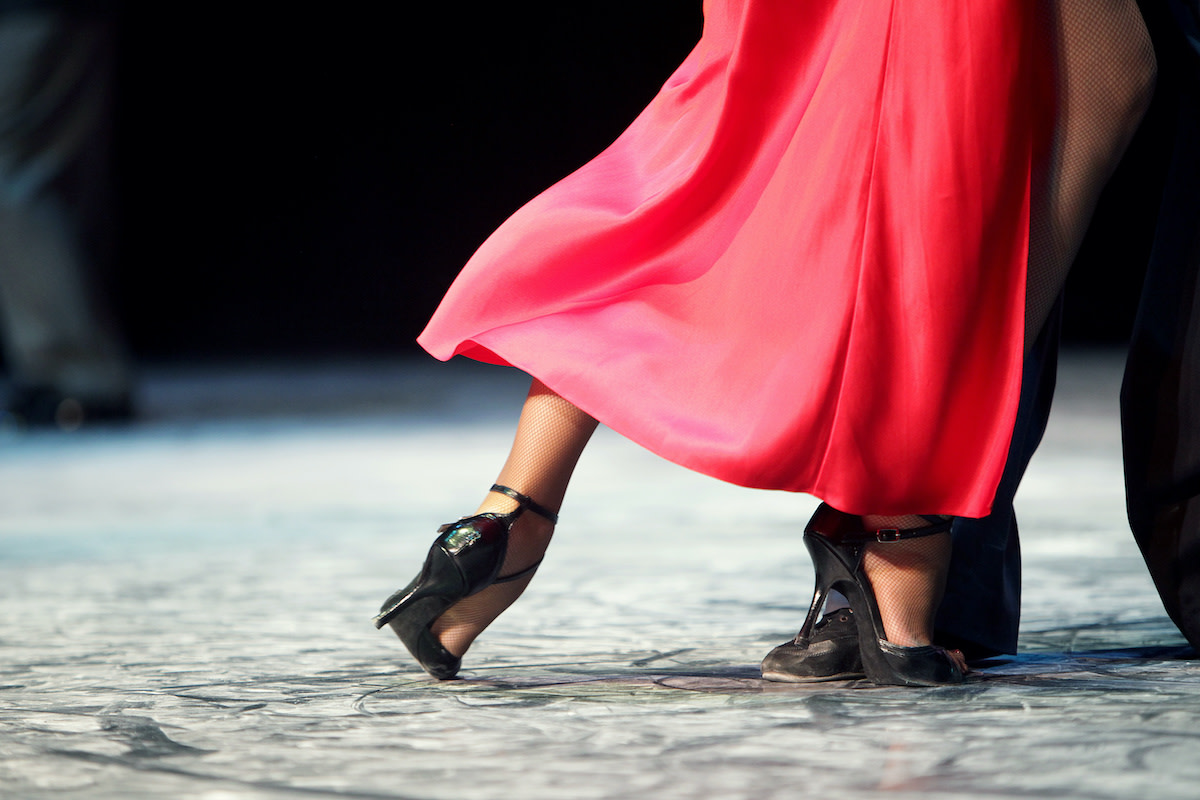
Milonga is a style of Argentine dance that fuses European and Afro-Caribbean influences. Like the tango dance, the milonga relies on close physical proximity between dance partners. However, it’s typically looser, less complex, and faster-paced than the tango. The dance may also incorporate elements of comedy, including improvisations and jerky or exaggerated moves.
In Argentina, milonga dancing also refers to an event or a venue where people come to dance milonga and tango. These events, which typically run four or five hours, often start with demonstration performances or training, making them ideal for beginners.
Types of Milonga Dancing
There are two main styles of milonga dancing:
- Milonga Lisa: When dancing the Milonga Lisa, also known as the classic milonga or the milonga de salón, dancers move and step to every beat of the music.
- Milonga traspié: In this more advanced version of the milonga, dancers may make double steps or incorporate moves that involve three steps across two beats. In Milonga traspié, dancers must transfer their weight from one foot to the other.
Brief History of Milonga Dancing
Milonga music emerged in the nineteenth century in lower-income neighborhoods in Uruguay and Río de la Plata region of Argentina. Learn more about the dance’s history:
- Argentine cowboys: The dance originated with Argentine cowboys, known as gauchos, who danced in local brothels, blending elements of the habanera, the polka, and other global folk dances.
- Increasing popularity: By the late 1870s, Argentines performed this dance everywhere from street events and clubs to dedicated gatherings designed for dancing. Many Argentine and Uruguayan composers and singers created works celebrating this musical genre and dance style. However, members of high society still considered milonga disreputable because it disregarded the societal norms governing physical closeness.
- Mainstream approval: As social norms relaxed, the milonga found mainstream approval. Although the traditional milonga is still popular today, especially in Buenos Aires, it also birthed another dance style, the Argentine tango. This ballroom dance originated in the late 1800s when the milonga merged with a light-hearted flamenco known as the Spanish tango. Unlike the milonga, the tango places emphasis on slower pace, drama, and precise, synchronized movements.
- Milonga and tango today: The history of these dances is so interrelated that some call dedicated tango “milongueros” because they perfected their skills on the dance floors of Argentine milongas—events or venues where people come to dance the tango or milonga.
Traits of Milonga Dancing
Milonga dancing blends elements from various cultural dances, including the polka, the mazurka, the Brazilian macumba, and the Cuban habanera. It’s similar to the modern Argentine tango. However, several notable characteristics distinguish milonga from its musical cousin, including relaxed movements, fast-paced dancing, rhythmic walking, humor, and greater emphasis on rhythm.
Learn More
Practice ballet with Misty Copeland, the principal dancer with the American Ballet Theatre. Get the MasterClass Annual Membership and learn how to put individual barre techniques together to create powerful performances and introduce artistry to your choreography.


Music
Claude Debussy: A Guide to Claude Debussy’s Life and Music
Jun 25, 2021

Music
Heavy Metal Music Guide: A Dive Into Heavy Metal Music
Jul 15, 2021

Music
Learn How to Play Guitar: A Beginner’s Guide to Guitar Chords and Types
Aug 10, 2021

Music
A Brief History of Drums: On the Origin of Percussion
Jun 7, 2021

Music
Highlife Music Guide: A Brief History of Highlife Music
Oct 21, 2021

Music
Concerto Grosso Guide: Modern vs. Baroque Concerto Grosso
Aug 10, 2021
Other articles
New England Clam Chowder: 4 Tips for Making Chowder
Oct 23, 2026
How to Play Basketball: Explore the Basics of Basketball
Jun 7, 2021
How to Write a Horror Story in 7 Steps
Dec 8, 2021
Daniel Pink’s ABC’s of Selling: Inside the 3 Key Sales Qualities
Dec 10, 2021
Wine 101: What Is Barrel Aging? Understanding the Barrel Aging Process in Winemaking and the Difference Between Steel and Oak Barrels
Sep 2, 2022
Learn the Difference Between Phrases and Clauses
Aug 11, 2021