Mirin vs. Rice Vinegar: How to Use the Japanese Ingredients
Written by MasterClass
Last updated: Oct 27, 2021 • 3 min read
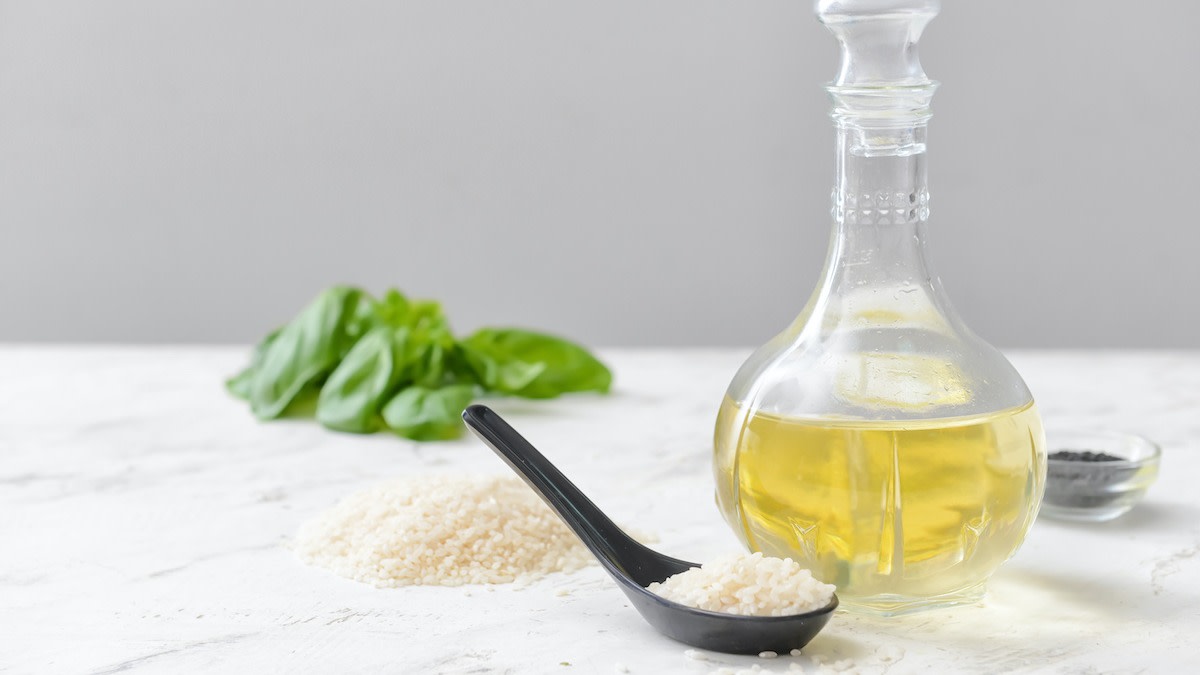
Both mirin and rice wine vinegar are staples of Japanese cuisine. You can use these types of rice wine in salad dressings, marinades, glazes, sweeteners, sushi roll condiments, dipping sauces, and more. While people sometimes use the two names interchangeably, there are important differences to consider between mirin vs. rice vinegar.

Learn From the Best
What Is Mirin?
Mirin is a sweet-flavored Japanese rice wine. It seasons Japanese dishes like dumplings, both gluten-free and glutinous rice, ramen, and udon noodles. Home cooks can find mirin at many grocery stores that stock items from Japan.
What Is Rice Vinegar?
Rice vinegar is a type of vinegar that is prominent in Asian cooking, in particular Japanese cuisine. It has an acidic, salty flavor due to how long it ferments. You can use rice vinegar when making sushi rice or add it to stir-fry pans when you’re making dishes on the stovetop. Rice wine vinegar can serve as a mirin substitute so long as you’re aware it might taste a bit more bitter.
3 Types of Mirin
There are several major types of mirin, all of which differ in terms of alcohol content, saltiness, additional seasonings, and sweetness. Consider these three:
- 1. Aji-mirin: Generally more than just mirin itself, the flavors in aji-mirin pair well with other seasonings. It usually retails as its own unique variation on the traditional sauce.
- 2. Hon-mirin: With just under fifteen percent alcohol content, hon-mirin is perhaps the most traditional form of this seasoning liquid. You might hear it called “true mirin.”
- 3. Shio-mirin: Distinctive for how salty it is, shio-mirin contains additional salt, which makes for an interesting complement to the innate sweetness of the actual fermented rice wine.
Mirin vs. Rice Vinegar: How The Ingredients Compare
Mirin and rice vinegar have more in common than not, making them two of the best substitutes for each other in a pinch. Still, consider these four ways to compare the two to decide which better suits any given recipe:
- 1. Alcohol content: Mirin is a Japanese cooking wine that sometimes serves as a light alcoholic beverage in its own right, whereas rice vinegar generally has little to no alcohol content left by the end of its fermentation process. As a result, mirin tastes closer to a sweet marsala wine and rice vinegar to a dry sherry.
- 2. Fermentation process: Fermented rice makes up both of these sauces. Bacteria breaks down the sugars in the rice the same way it goes to work on aging grapes in dry white wine vinegar. Rice vinegar has a longer aging process than mirin, eventually yielding the acetic acid responsible for its more bitter taste.
- 3. Flavor: True mirin has a much sweeter flavor than rice vinegar. Ironically, rice wine vinegar’s higher sugar content is canceled out due to its strong, innately umami flavor (a Japanese word for something meaty and savory). Neither ingredient’s flavor is particularly overpowering. Mirin will offer hints of sweetness while rice vinegar might be bitter and sour, but these flavors are nowhere close to those of apple cider vinegar, for example, which has a particularly bitter taste.
- 4. Uses: You can use these Asian cuisine staples as substitutes for something like balsamic vinegar. Seasoned rice vinegar can zest up white rice with acidity, while mirin can sweeten the grains instead. Mirin combines with soy sauce to make teriyaki sauce, and rice wine vinegar can make for an excellent pickling agent. Ultimately, it comes down to whether the recipe calls for a sweet or sour seasoning.
Want to Learn More About Cooking?
Become a better chef with the MasterClass Annual Membership. Gain access to exclusive video lessons taught by the world’s best, including Niki Nakayama, Gabriela Cámara, Chef Thomas Keller, Yotam Ottolenghi, Dominique Ansel, Gordon Ramsay, Alice Waters, and more.


Food
Wine 101: What Is Barrel Aging? Understanding the Barrel Aging Process in Winemaking and the Difference Between Steel and Oak Barrels
Sep 2, 2022

Food
Simple Syrup Recipe: How to Make Simple Syrup for Cocktails
Sep 6, 2026
Food
Almond Meal vs. Almond Flour: What’s the Difference?
Sep 7, 2021

Food
What Is DOC and DOCG Wine? Differences Between DOC, DOCG, IGT, and VdT on Italian Wine Labels
Aug 10, 2021
Food
How to Cut Shiitake Mushrooms
Mar 25, 2022

Food
How to Sharpen a Serrated Knife: Method and Tips
Jan 4, 2022
Other articles
Claude Debussy: A Guide to Claude Debussy’s Life and Music
Jun 25, 2021
How to Play Basketball: Explore the Basics of Basketball
Jun 7, 2021
How to Write a Horror Story in 7 Steps
Dec 8, 2021
Daniel Pink’s ABC’s of Selling: Inside the 3 Key Sales Qualities
Dec 10, 2021
Heavy Metal Music Guide: A Dive Into Heavy Metal Music
Jul 15, 2021
Learn the Difference Between Phrases and Clauses
Aug 11, 2021