Shou Sugi Ban Guide: How to Master Japanese Wood Burning
Written by MasterClass
Last updated: Jun 7, 2021 • 2 min read
A building needs fire-resistant, waterproof cladding to protect it from the elements. If you're looking for an artful wood siding option for your home, consider the Japanese tradition of shou sugi ban.

Learn From the Best
What Is Shou Sugi Ban?
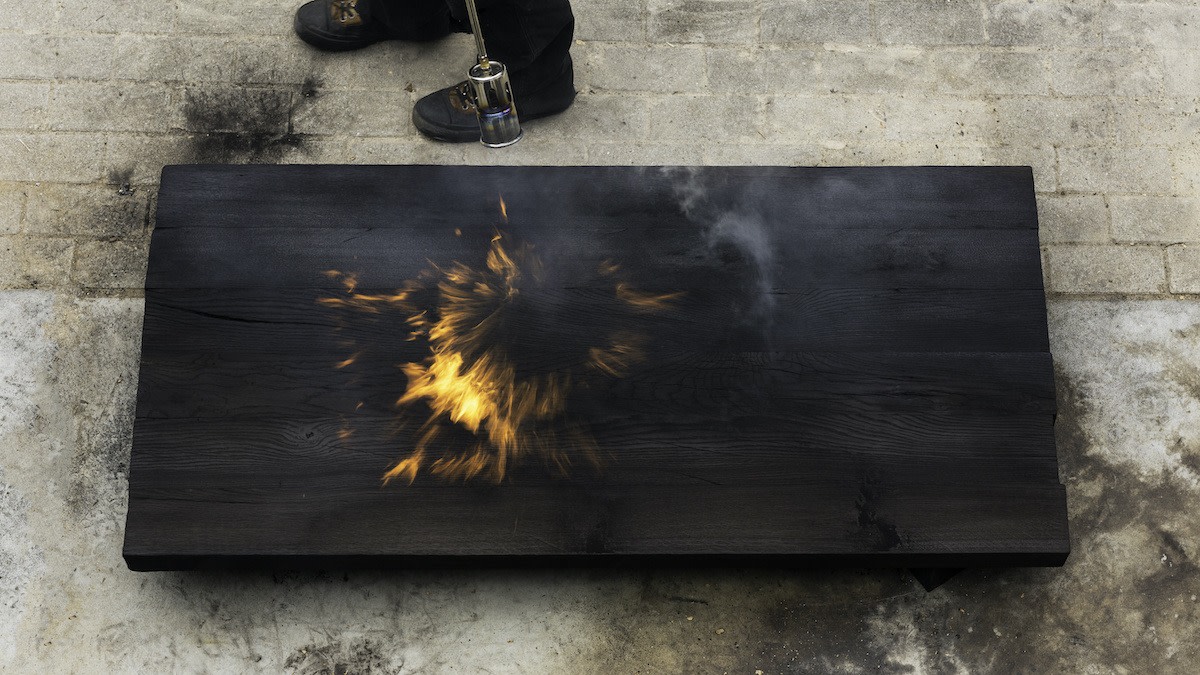
Shou sugi ban is a Japanese term that means "charred cedar board." True to its name, shou sugi ban involves charring cedar planks, then burnishing the burnt wood with wire brushes and sandpaper before sealing it with natural oil. Also known as yakisugi, this ancient Japanese technique produces blackened, charred wood siding that is resistant to the elements, making shou sugi ban wood appropriate for both interior and exterior applications. Charred wood can serve as a fire retardant, since it lacks the oils needed to ignite a flame; this helps shou sugi ban surfaces last for many generations.
What Is the Purpose of Shou Sugi Ban?
Shou sugi ban evolved in eighteenth-century Japan as a way to build housing using a readily available building material—Japanese red cedar (Cryptomeria Japonica). Japanese builders had to consider the local climate, which can be humid with extreme temperature fluctuations between seasons. Additionally, homes lining Japan's coastline contend with salty ocean spray, which can wear down a building's cladding and decking. The shou sugi ban technique provided a cost-effective way of weatherproofing Japanese homes. Burnt cedar siding naturally resists destructive environmental elements, and its appealing matte finish and relatively simple manufacturing process have contributed to its lasting popularity.
What Type of Wood Do You Need for Shou Sugi Ban?
The traditional Japanese technique for shou sugi ban, or yakisugi, involves Japanese red cedar, which grows natively on the islands of Japan. In the western hemisphere, sourcing Japanese cedar can be difficult, so builders often opt for western red cedar. Other wood species that can work include hemlock, southern cypress, pine, and basswood. Though softwoods like cedar are ideal for shou sugi ban, you can use hardwoods like oak and maple, though they may not prove as durable.
What Is the Shou Sugi Ban Process?
The shou sugi ban technique takes years to master, but anyone with the right tools can learn it by following four main steps.
- 1. Source your wood. If you're based in North America, seek out western red cedar, southern cypress, basswood, or another softwood. The technique also works with hardwoods, but their dense nature may not be appropriate for most siding, decking, and cladding projects.
- 2. Burn the surface of the wood. It takes time to build up a reliable and artful burning technique. Today's yakisugi woodworkers tend to use propane-powered blowtorches, which can generate immense heat in concentrated areas.
- 3. Remove the outer char from your planks. Use a wire brush or coarse sandpaper to remove the outer char from your wood without sanding it smooth—you want to maintain a textured surface with visible wood grain patterns. For an alligator skin finish (which highlights ridges and bumps) keep this step minimal.
- 4. Apply a finish. Seal your wood to further protect it from the elements. If going for the alligator skin look, use a polyurethane sealer, but for smoother surfaces, try oiling the wood. A natural linseed oil can enhance wood grain accents, which combines with the charred black coloration for a truly unique patina.
If the DIY process is intimidating, you can always purchase finished wood in the yakisugi style—both modified wood compounds that resemble shou sugi ban and authentic, finished shou sugi ban wood from specialty woodworkers.
Learn More
Learn interior design from award-winning designer Kelly Wearstler. Make any space feel larger, cultivate your own distinct style, and create spaces that tell a story with the MasterClass Annual Membership.


Home & Lifestyle
How to Train Your Dog Not to Run Away in 8 Steps
Nov 22, 2022

Home & Lifestyle
How to Grow Sage in Your Home Garden
Jun 7, 2021

Home & Lifestyle
Brandon McMillan’s 10 Tips to Prevent Your Dog From Door Dashing
Dec 10, 2021

Home & Lifestyle
How to Grow Kohlrabi in Your Backyard Garden
Jun 7, 2021

Home & Lifestyle
Hummingbird Sage: How to Care for Hummingbird Sage Plants
Jan 4, 2022

Home & Lifestyle
DIY Bookcase Tutorial: How to Build Your Own Bookcase
Aug 19, 2021
Other articles
Claude Debussy: A Guide to Claude Debussy’s Life and Music
Jun 25, 2021
How to Play Basketball: Explore the Basics of Basketball
Jun 7, 2021
How to Write a Horror Story in 7 Steps
Dec 8, 2021
Daniel Pink’s ABC’s of Selling: Inside the 3 Key Sales Qualities
Dec 10, 2021
Wine 101: What Is Barrel Aging? Understanding the Barrel Aging Process in Winemaking and the Difference Between Steel and Oak Barrels
Sep 2, 2022
Heavy Metal Music Guide: A Dive Into Heavy Metal Music
Jul 15, 2021