Skiffle Music Guide: 3 Characteristics of Skiffle Music
Written by MasterClass
Last updated: Jun 7, 2021 • 3 min read
With American roots and British influence, skiffle had a key role in the evolution of rock ‘n’ roll.

Learn From the Best
What Is Skiffle?
Skiffle is a musical genre that draws from American folk, blues, country, bluegrass, jazz, and jug bands. In the early-to-mid twentieth century, skiffle bands originated in different parts of the United States and were often tied to working-class, Black American blues and jazz scenes—such as those of New Orleans.
Although skiffle is fundamentally an American music genre, it gained resonance in Great Britain. Legendary British rock bands like the Beatles, Van Morrison, the Rolling Stones, and Led Zeppelin can trace their rock 'n' roll origins to the skiffle craze that seized the United Kingdom in the late 1950s and early 1960s.
A Brief History of Skiffle
The history and influence of skiffle music transcends two continents.
- Southern origins: Music historians have debated when the first skiffle groups came into being, but many came from the American South. Cities like New Orleans, famed for its traditional jazz scene, and Memphis, a cradle for blues music, were among the notable skiffle cities in the 1920s.
- Tinges of country music: In some northern cities, skiffle music evoked country jug bands. This was true in Chicago, where Dan Burley & His Skiffle Boys and Jimmy O'Bryant & His Chicago Skifflers captivated audiences with tunes like "Skiffle Blues" and "Hometown Skiffle."
- Jumping an ocean: Skiffle music’s popularity waned in the United States during the 1940s. By the 1950s, however, skiffle had arrived on British shores thanks to the Scottish guitarist and banjo player Lonnie Donegan. Donegan's groups used guitar, tea-chest bass, and washboard percussion. Many of his collaborators came from traditional jazz bands. He was particularly famous for his cover of the Lead Belly classic, "Rock Island Line."
- An English skiffle craze: British skiffle music did not end with Lonnie Donegan. Other popular groups included the Vipers, Ken Colyer's Jazzmen (featuring Chris Barber), the Chas McDevitt Skiffle Group, and Johnny Duncan and the Bluegrass Boys. Famed English folk-punk artist Billy Bragg profiled these groups in his 2017 book Roots, Radicals and Rockers.
- Seeding the British Invasion: The artists who would one day lead the British Invasion came of age on Lonnie Donegan and other British skiffle bands. In Liverpool, John Lennon, Paul McCartney, and George Harrison all heard skiffle music as teenagers and formed their first group, the Quarrymen, as a skiffle act. Archival BBC footage shows a teenage Jimmy Page playing acoustic guitar as a reporter profiled his skiffle band.
- Giving way to rock ‘n’ roll: While skiffle lured the Beatles, the Stones, and their contemporaries to popular music, they pressed on to harder-edged American rock 'n' roll thanks to artists like Chuck Berry and Little Richard. Led Zeppelin's Jimmy Page immersed himself in American blues and English folk music. And as they began expanding the boundaries of rock 'n' roll with their own hit records, skiffle receded into obscurity. One aberration to this trend was a 1970 hit by Mungo Jerry called "In the Summertime," which captured the essence of 1950s skiffle
3 Characteristics of Skiffle Music
Skiffle bands share a few common characteristics.
- 1. Americana roots: Skiffle music draws its roots from an array of American sources including blues, bluegrass, traditional jazz, rockabilly, country, and jug bands.
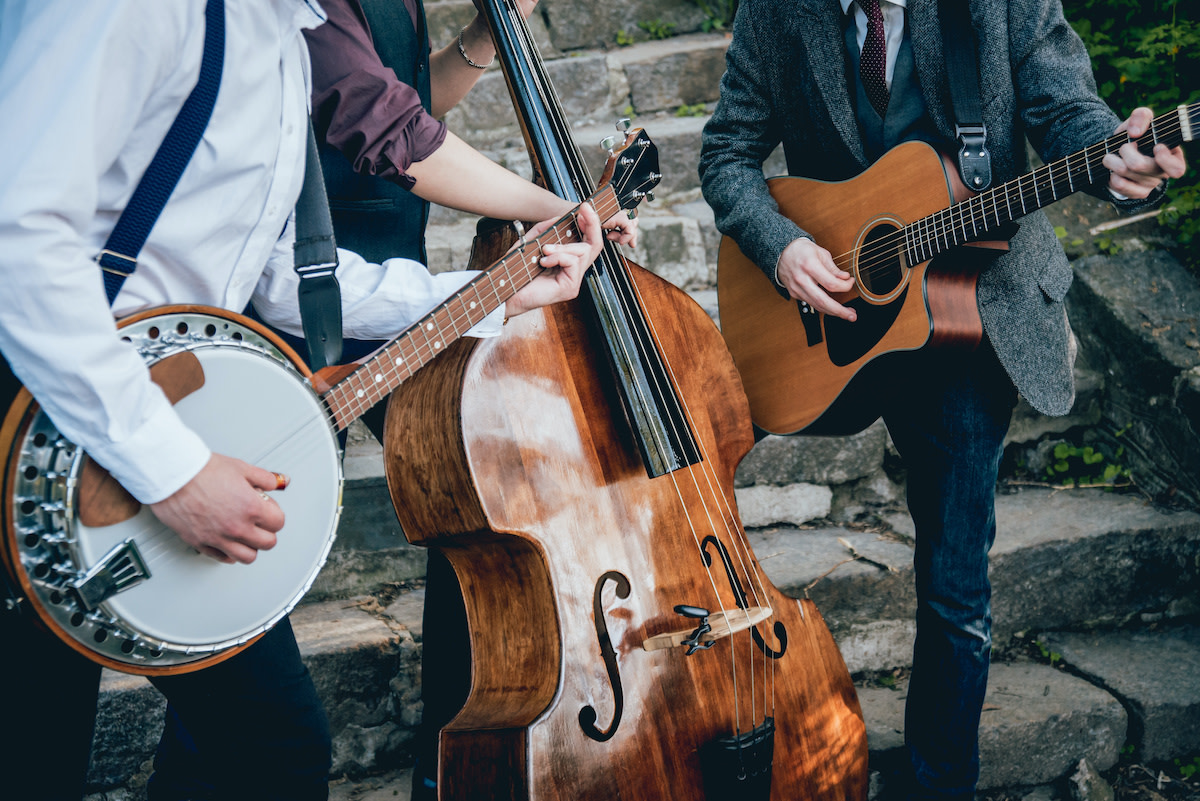
- 2. Acoustic instruments: The most prominent and influential instrument in skiffle music is the acoustic guitar. Lonnie Donegan inspired legions of British youth to pick up guitars of their own. Other common skiffle instruments include the tea-chest bass, washboard, banjo, and kazoo.
- 3. Clear inspiration for rock 'n' roll: The rhythm, gritty drive, and guitar-focused aesthetic of skiffle music clearly set the framework for 1960s British rock music. The Quarrymen—featuring British musicians John Lennon, Paul McCartney, and George Harrison—features many of the same musical elements that would propel their next band, the Beatles.
Want to Learn More About Music?
Become a better musician with the MasterClass Annual Membership. Gain access to exclusive video lessons taught by the world’s best, including Tom Morello, St. Vincent, Sheila E., Timbaland, Itzhak Perlman, Herbie Hancock, and more.


Music
Claude Debussy: A Guide to Claude Debussy’s Life and Music
Jun 25, 2021

Music
Heavy Metal Music Guide: A Dive Into Heavy Metal Music
Jul 15, 2021

Music
Learn How to Play Guitar: A Beginner’s Guide to Guitar Chords and Types
Aug 10, 2021

Music
A Brief History of Drums: On the Origin of Percussion
Jun 7, 2021

Music
Highlife Music Guide: A Brief History of Highlife Music
Oct 21, 2021

Music
Concerto Grosso Guide: Modern vs. Baroque Concerto Grosso
Aug 10, 2021
Other articles
How to Play Basketball: Explore the Basics of Basketball
Jun 7, 2021
How to Write a Horror Story in 7 Steps
Dec 8, 2021
Daniel Pink’s ABC’s of Selling: Inside the 3 Key Sales Qualities
Dec 10, 2021
Wine 101: What Is Barrel Aging? Understanding the Barrel Aging Process in Winemaking and the Difference Between Steel and Oak Barrels
Sep 2, 2022
Learn the Difference Between Phrases and Clauses
Aug 11, 2021
Social Criticism: Types of Social Criticism
Sep 20, 2026