What Is Pasteurization? Learn About the History and Benefits of Pasteurization
Written by MasterClass
Last updated: Sep 30, 2021 • 2 min read
As recently as the nineteenth century, humans risked serious illness or even death by drinking liquids—such as milk, juice, or even water—that were several days old. By contrast, today’s beverages have a long shelf life thanks to the pasteurization process, named for the nineteenth century French scientist Louis Pasteur.

Learn From the Best
What Is Pasteurization?
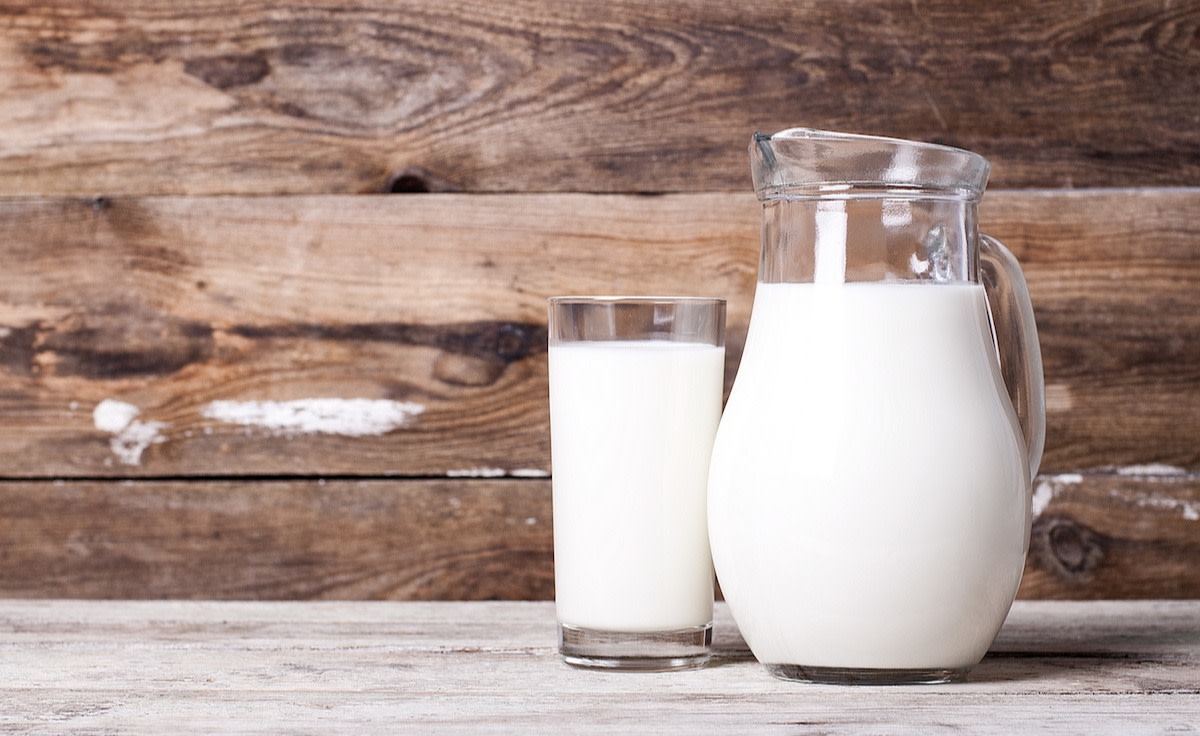
Pasteurization is the process by which food products (such as juice and dairy products) are mildly heated to kill off harmful bacteria, salmonella, and other disease-causing pathogens. These products are thus made safe for consumption. Unpasteurized food, such as raw milk, may also be safe for consumption, but typically for a shorter period of time than products that have undergone pasteurization.
Pasteurization has revolutionized food safety within the dairy industry. Since 1973, the U.S. Food and Drug Administration (FDA) has mandated the milk pasteurization process for all interstate dairy sales. Today, nearly all milk products available in stores have been pasteurized.
How Was Pasteurization Invented?
In 1864, French chemist Louis Pasteur conducted a series of experiments demonstrating the antimicrobial effects of heating wine. By heating recently made wine to a temperature of approximately 60 C (140 F) for a short period of time, Pasteur successfully killed off pathogenic bacteria that may have otherwise been present in the liquid. He also deactivated certain enzymes that cause early spoilage.
Prior to Pasteur, history recorded many other instances of exposing wine to high-temperature environments, mainly as a means to extend its shelf life. Twelfth-century Chinese artifacts and fifteenth-through-seventeenth century Japanese artifacts contains documented evidence of such methods.
How Does Pasteurization Work?
While Louis Pasteur himself experimented with wine, the German chemist Franz von Soxhlet proposed pasteurization of milk in 1886. By 1912, the American public health official Milton Rosenau established standards for low-temperature pasteurization: slow heating at 60 C (140 F) for 20 minutes.
Pasteurization times and temperatures depend on the chemical composition of the pasteurized food, but rarely does pasteurization require a product to be heated beyond 100 C. However ultra-high-temperature (UHT) pasteurization heats milk to 135 C, albeit for only two to five seconds. This brief period of high heat is enough to kill nearly all bacterial spores that live in dairy products. Dairy that goes through the UHT heat treatment is labeled “ultra-pasteurized.” This includes many brands of organic milk.
What Is the Difference Between Pasteurization and Homogenization in Milk?
Homogenization and pasteurization often run hand-in-hand in milk production, but the two processes are markedly different:
- Homogenization works to evenly distribute milk fat globules throughout an entire container of milk. It involves forcing milk through strainers at high pressure levels. However, unlike pasteurization, it does not involve heating milk.
- In a two-step process, pasteurization always comes after homogenization. It involves raising the homogenized liquid to a high temperature for a short time.
What Are the Benefits of Pasteurization?
Pasteurizing a liquid provides many benefits. These include:
- Eliminating harmful bacteria like Listeria, Salmonella, Listeria, Staphylococcus aureus, Yersinia, Campylobacter, and Escherichia coli O157:H7.
- Preventing diseases like scarlet fever, tuberculosis, brucellosis, and diphtheria.
- Providing a longer shelf life when compared to unpasteurized milk.
- Elimination of volatile aroma compounds from certain foods. Note that this is not necessarily a benefit: many of these aromas can be pleasing to consumers.
- Sanitizing liquids in a shorter time than would be possible with other methods, leading to more effective overall disease control.

Food
Wine 101: What Is Barrel Aging? Understanding the Barrel Aging Process in Winemaking and the Difference Between Steel and Oak Barrels
Sep 2, 2022

Food
Simple Syrup Recipe: How to Make Simple Syrup for Cocktails
Sep 6, 2026
Food
Almond Meal vs. Almond Flour: What’s the Difference?
Sep 7, 2021

Food
What Is DOC and DOCG Wine? Differences Between DOC, DOCG, IGT, and VdT on Italian Wine Labels
Aug 10, 2021
Food
How to Cut Shiitake Mushrooms
Mar 25, 2022
Food
How to Sharpen a Serrated Knife: Method and Tips
Jan 4, 2022
Other articles
Claude Debussy: A Guide to Claude Debussy’s Life and Music
Jun 25, 2021
How to Play Basketball: Explore the Basics of Basketball
Jun 7, 2021
How to Write a Horror Story in 7 Steps
Dec 8, 2021
Daniel Pink’s ABC’s of Selling: Inside the 3 Key Sales Qualities
Dec 10, 2021
Heavy Metal Music Guide: A Dive Into Heavy Metal Music
Jul 15, 2021
Learn the Difference Between Phrases and Clauses
Aug 11, 2021