Barbershop Music Guide: History of a Capella Vocal Harmony
Written by MasterClass
Last updated: Jun 23, 2021 • 3 min read
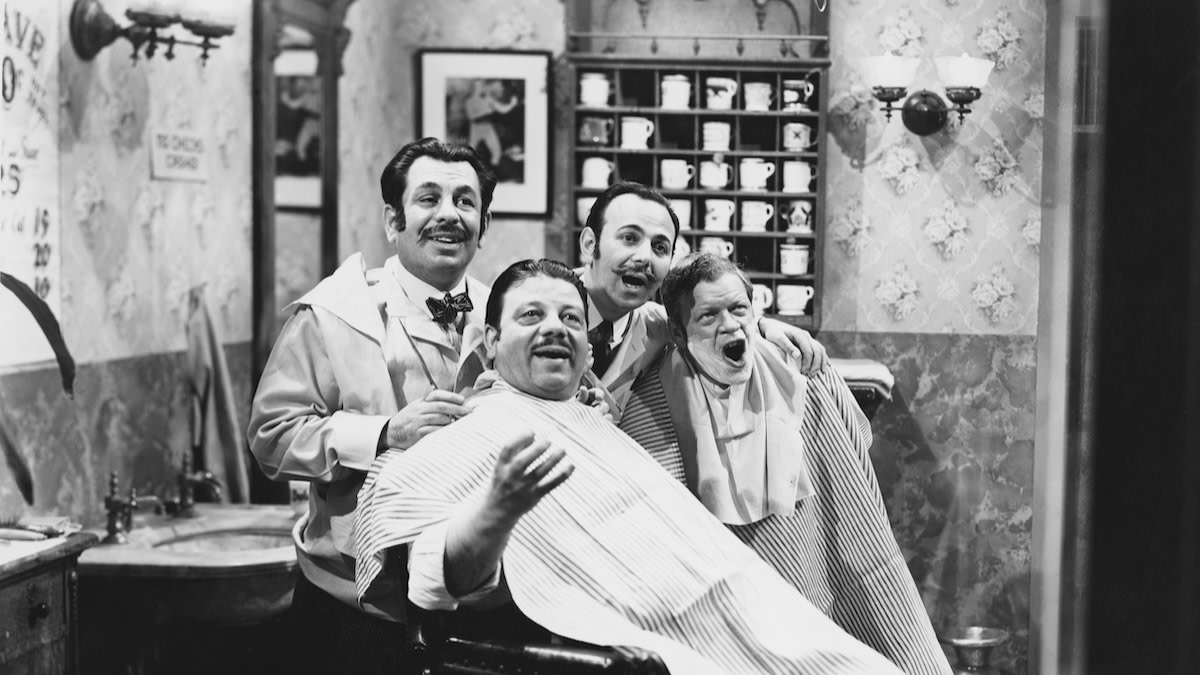
Barbershop-style music is a form of four-part a cappella singing that emphasizes tight vocal harmony.

Learn From the Best
What Is Barbershop Music?
Barbershop music is a style of a cappella vocal music—music that lacks instrumental accompaniment— where singers join in close harmony to form consonant chords. The standard barbershop music ensemble is the barbershop quartet, which features four specific voice parts:
- Lead: The lead singer of a barbershop group sings the melody, with others harmonizing around them.
- Tenor: In barbershop songs, the tenor harmonizes above the lead.
- Baritone: In a traditional barbershop sound, the baritone harmonizes below the lead singer.
- Bass: The bass, who has the deepest voice among barbershop singers, voices the lowest note in a barbershop chord.
In addition to a classic barbershop quartet, barbershoppers can form larger groups called a barbershop chorus. These groups use the same four-part harmony as barbershop quartets, but multiple singers voice each part. Barbershop groups featuring women may also have parts for alto and soprano voices.
A Brief History of Barbershop Music
Barbershop singing has likely existed as an art form since the 1700s, but American barbershop music enjoyed a notable wave of popularity in the mid-twentieth century.
- English barber's music: Samuel Pepys, a seventeenth-century English politician, made note of "barber's music" in his meticulous diaries. Barbershops of the era were social gathering spots, a tradition that continues into the present day.
- Nineteenth-century Black American singing: Certain news articles from the late 1800s describe Black American men improvising four-part harmonies over popular songs. This may have been the genesis of the modern barbershop quartet.
- Twentieth-century popularity: Barbershop arrangements of a cappella music surged in the 1900s and 1910s. Groups such as the American Quartet, the Peerless Quartet, the Haydn Quartet turned songs like "Sweet Adeline” and "Shine On, Harvest Moon" into barbershop standards.
- Barbershop revival: The barbershop style of singing lost favor as jazz transformed American popular music in the 1920s. But by the 1940s, a barbershop revival had begun. Barbershop arrangers found success adapting show tunes like "In the Good Old Summer Time" and "Alexander's Ragtime Band."
- Barbershop societies: Multiple barbershop music societies exist in the present day, with the goal of preserving barbershop traditions for new generations of singers. Among the oldest is the Nashville, Tennessee-based Barbershop Harmony Society (BHS), which was originally called the Society for the Preservation and Encouragement of Barber Shop Quartet Singing in America (SPEBSQSA) and founded in 1938. In 1945, Sweet Adelines International (SAI) was also organized in Tulsa, Oklahoma, as a society for women interested in barbershop quartet and choral music. SAI initially limited its membership to white women, so in 1957 Harmony, Inc. (HI) formed as a splinter group from SAI under a banner of inclusion. Today, all three societies feature racially diverse membership.
5 Characteristics of Barbershop Music
Barbershop music features several notable traits that distinguish it from similar musical styles:
- 1. All a cappella: Traditional barbershop music is sung a cappella, or without instrumental accompaniment.
- 2. Four distinct parts: The standard barbershop arrangement features a lead vocalist, a tenor, a baritone, and a bass. As barbershop music has expanded to all genders, alto and soprano vocalists now feature in some ensembles.
- 3. Close harmonies: Barbershop music is known for close four-part harmonies. When well-executed, such harmonies can produce ringing chords and powerful overtones (typically octaves and fifths).
- 4. Quartet or chorus: The iconic barbershop ensemble is a barbershop quartet. Today, barbershop choruses exist as well, but the four-part arrangements endure.
- 5. Homorhythmic singing: In homorhythmic singing, all voices move in a uniform rhythmic pattern. This style mimics traditional chant and is the opposite of the counterpoint popular in classical music.
Famous Barbershop Groups
Thanks to the sustained popularity of barbershop music, many popular barbershop quartets and choruses have emerged.
- The Dapper Dans: A Disney-affiliated barbershop quartet that appears live at both Disneyland and Walt Disney World.
- Buffalo Bills: A 1950s barbershop quartet known for being crowned International Quartet Champions and for appearing on the Arthur Godfrey radio show.
- North Metro Chorus: A women's barbershop chorus from Toronto and three-time Sweet Adelines International Chorus Champions.
- Vocal Majority: A Dallas, Texas, chorus famed as 11-time International Chorus Champions.
- Masters of Harmony: A Los Angeles-based barbershop chorus that has won multiple International Chorus Championships. The Masters of Harmony also sponsor a barbershop youth chorus called The Westminster Chorus.
- The Louisville Thoroughbreds: A Louisville, Kentucky barbershop chorus with a horse racing theme and seven International Chorus Championships to its name.
- The Singing Senators: A now-defunct barbershop quartet that featured United States Senators Larry Craig (lead), Jim Jeffords (tenor), John Ashcroft (baritone), and Trent Lott (bass).
Want to Learn More About Music?
Become a better musician with the MasterClass Annual Membership. Gain access to exclusive video lessons taught by the world’s best, including Christina Aguilera, Alicia Keys, St. Vincent, Usher, and more.


Music
Doo-Wop Guide: 11 Popular Doo-Wop Groups
Apr 15, 2021

Music
Vocal Range Explained: How to Identify Your Vocal Range
Dec 9, 2021

Arts & Entertainment
Isicathamiya Music Overview: A Brief History of Isicathamiya
Mar 12, 2022

Music
How to Harmonize: A Guide to Singing Harmony
Dec 7, 2020

Music
Singing Styles: 7 Singing Styles and Genres to Know
Mar 14, 2022

Music
Singing Keys Explained: How to Find What Key to Sing In
Mar 9, 2022
Other articles
Melody vs. Harmony: Similarities and Differences with Musical Examples
Apr 26, 2019
100 Singing Terms Explained: Glossary of Singing Terms
Mar 8, 2022
Types of Vocal Timbre: How to Improve Your Vocal Tone
Mar 24, 2022
Bluegrass Music Guide: History and Artists of Bluegrass
Jun 4, 2021
Rocksteady Music Guide: 5 Notable Rocksteady Artists
Jun 2, 2021
Cranberry Pistachio Biscotti: Recipe and Baking Tips
Jun 8, 2022