Ceramic vs. Teflon: How to Use Ceramic and Teflon Cookware
Written by MasterClass
Last updated: Oct 25, 2021 • 2 min read
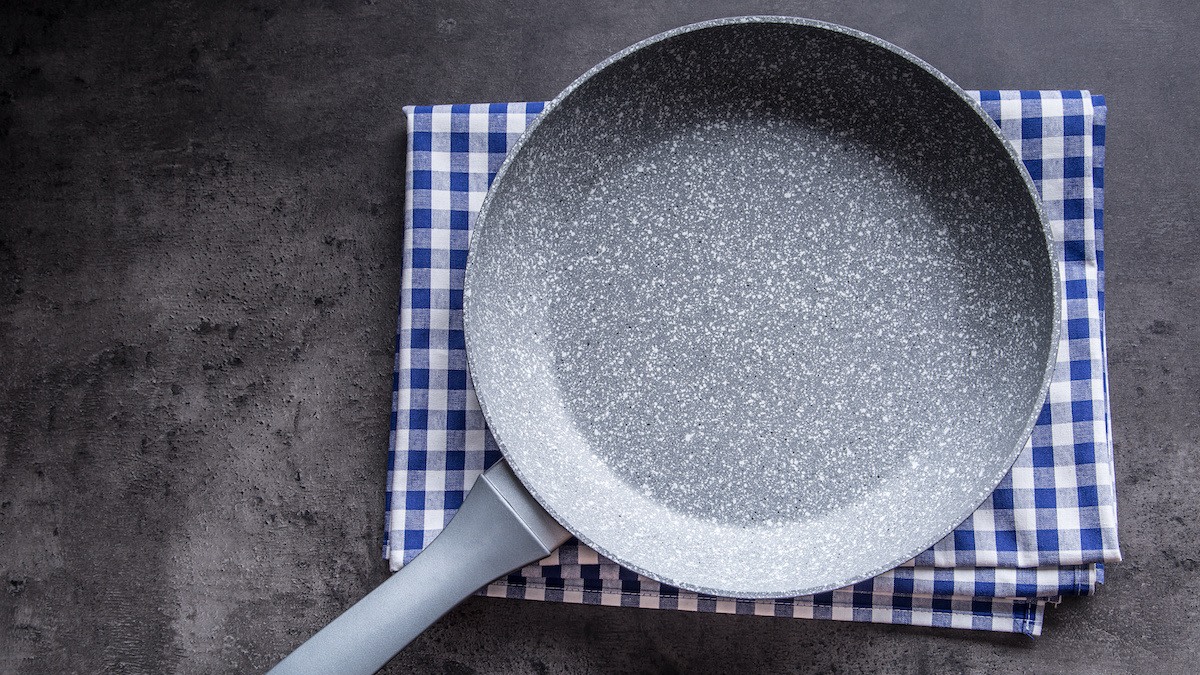
When it comes to nonstick frying pans to add to your kitchenware collection, Teflon and ceramic pans are the two main types available. Learn about the difference between ceramic and Teflon.

Learn From the Best
What Is Ceramic Cookware?
Ceramic cookware is a type of pan with a nonstick surface, a stainless steel handle, and an aluminum base that provides even heat distribution. Ceramic cookware has a specific kind of ceramic coating that enables cooking without food sticking to the ceramic frying pan. Ceramic-coated cookware often includes glass lids for simmering food on your stovetop.
What Is Teflon Cookware?
Teflon is the brand name for polytetrafluoroethylene (PTFE), a nonstick coating made out of synthetic polymer. Teflon nonstick pans include a PTFE coating to keep food from sticking to your cookware set. Teflon pans, or PTFE pans, were invented in the late 1930s and contained a toxic chemical called perfluorooctanoic acid (PFOA) until 2013 when a new PFOA-free version became available. Avoid using Teflon pans with high heat (temperatures above 500 degrees Fahrenheit), as the Teflon coating can break down and release toxic fumes.
Ceramic vs. Teflon Cookware: What’s the Difference?
You can use both types of nonstick cookware to prepare a variety of foods, including omelets, stir-fries, and soups. To find the best option for you, consider a few of the main differences between the two types of pans.
- Chemicals: Although Teflon has discontinued the use of PFOA in its products, there are still health concerns about PFAS, a synthetic compound that can leach into your food. At high temperatures, PTFE pans can emit toxic fumes. By contrast, ceramic nonstick coatings contain no PTFE, PFOA, or PFAS chemicals. However, the aluminum base on ceramic pans can leach into food at higher temperatures. To be safe, use both types of cookware at low to medium heat.
- Durability: Typically, ceramic cookware has a shorter lifespan than Teflon cookware. However, both types of cookware are less durable than cast iron skillets, carbon steel cookware, and stainless steel cookware. With Teflon and ceramic pans, use silicone utensils rather than metal utensils to avoid scraping off the nonstick surface from your cooking surface. Teflon and ceramic pans are rarely dishwasher safe or oven safe, so opt for handwashing your nonstick pans.
- Price: Ceramic cookware is generally more expensive than Teflon cookware. Avoid using cheap ceramic pans as they may contain harmful materials like lead or cadmium.
Want to Learn More About Cooking?
Become a better chef with the MasterClass Annual Membership. Gain access to exclusive video lessons taught by the world’s best, including Mashama Bailey, Gabriela Cámara, Niki Nakayama, Chef Thomas Keller, Yotam Ottolenghi, Dominique Ansel, Gordon Ramsay, Alice Waters, and more.


Food
New England Clam Chowder: 4 Tips for Making Chowder
Oct 23, 2026
Food
Wine 101: What Is Barrel Aging? Understanding the Barrel Aging Process in Winemaking and the Difference Between Steel and Oak Barrels
Sep 2, 2022

Food
Simple Syrup Recipe: How to Make Simple Syrup for Cocktails
Oct 20, 2026
Food
Almond Meal vs. Almond Flour: What’s the Difference?
Sep 7, 2021
Food
What Is DOC and DOCG Wine? Differences Between DOC, DOCG, IGT, and VdT on Italian Wine Labels
Aug 10, 2021
Food
How to Cut Shiitake Mushrooms
Mar 25, 2022
Other articles
Claude Debussy: A Guide to Claude Debussy’s Life and Music
Jun 25, 2021
How to Play Basketball: Explore the Basics of Basketball
Jun 7, 2021
How to Write a Horror Story in 7 Steps
Dec 8, 2021
Daniel Pink’s ABC’s of Selling: Inside the 3 Key Sales Qualities
Dec 10, 2021
Heavy Metal Music Guide: A Dive Into Heavy Metal Music
Jul 15, 2021
Learn the Difference Between Phrases and Clauses
Aug 11, 2021