Almond Meal vs. Almond Flour: What’s the Difference?
Written by MasterClass
Last updated: Sep 7, 2021 • 2 min read
Made from whole raw almonds, both almond meal and almond flour offer nutritional and health benefits, but have different textures as a result of two similar, yet different manufacturing processes.

Learn From the Best
What Is Almond Meal?
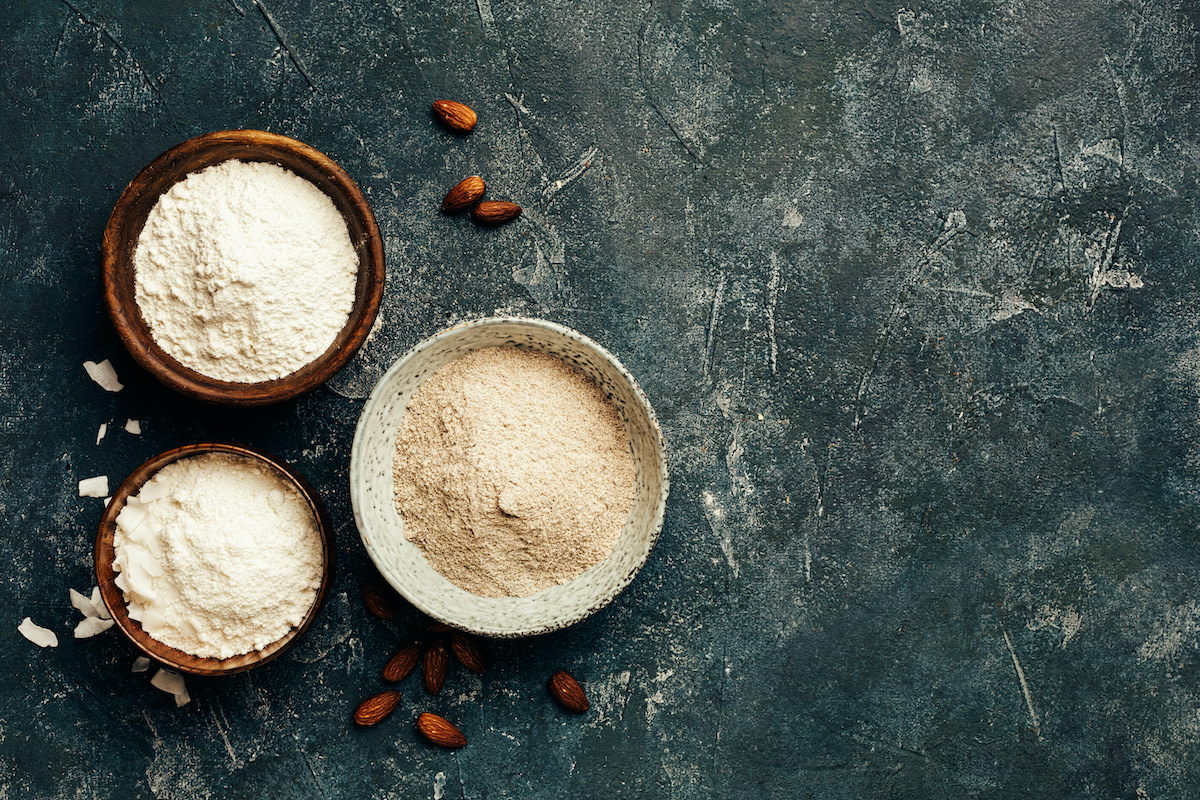
Almond meal comes from finely ground almonds. Companies start with whole almonds—natural almonds with the skin on—and grind the nuts to a coarse blend, not quite as fine a texture as coconut flour or all-purpose flour.
Due to its coarse texture, owing in part to the almond skins, almond meal is not a good substitute for flour when you’re baking, but you can use almond meal for breading in recipes, such as a substitute for breadcrumbs.
You can make your own almond meal at home by breaking down almonds in a food processor. As with almond flour, you should store commercial or DIY homemade almond meal in an airtight container at room temperature.
What Is Almond Flour?
Almond flour starts with whole blanched almonds (meaning without skin). Then manufacturers grind the blanched almond flour to a powdery consistency. The almond flour is so fine that if manufacturers were to grind it any finer, it would become usable only for almond butter.
Like almond meal, almond flour is gluten-free and grain-free. In certain situations, you can use superfine almond flour in place of other finely ground regular flours, such as all-purpose flour. The fine powder of almond flour is a common substitute for wheat flour, given both have a similar texture and nutty taste. There are also almond flour recipes, which call for this type of flour specifically, such as almond flour French macarons, brownies, banana bread, or chocolate chip cookies.
It is possible to make your own almond flour if you have a very powerful food processor at home. Store almond flour, like almond meal, in an airtight container at room temperature.
Nutritional Information for Almond Meal and Almond Flour
You can substitute almond meal or almond flour for other meals or flours, depending on your personal nutritional needs or goals. Keep in mind that this nut meal and nut flour contain the following vitamins and nutrients:
- Manganese: The body needs manganese for healthy blood clotting, fat metabolism, blood sugar regulation, and other factors.
- Dietary fiber: An essential component of any meal, dietary fiber keeps your digestive system healthy.
- Calcium: Necessary for bone strength and heart health, calcium is important.
- Vitamin E: Your body uses vitamin E to keep your brain, skin, and eyes healthy, and it might also support your immune system.
Want to Learn More About Cooking?
Become a better chef with the MasterClass Annual Membership. Gain access to exclusive video lessons taught by the world’s best, including Alice Waters, Gabriela Cámara, Niki Nakayama, Chef Thomas Keller, Gordon Ramsay, Yotam Ottolenghi, Dominique Ansel, and more.


Food
Oat Flour vs. Almond Flour: Comparing the Gluten-Free Flours
Apr 6, 2022

Food
Coconut Flour vs. Almond Flour: What’s the Difference?
Nov 9, 2021

Food
How to Make Almond Meal at Home: Simple Almond Meal Recipe
Jan 29, 2021

Food
How to Make Almond Flour at Home: 6 Uses for Almond Flour
Nov 13, 2020

Food
Almond Flour vs. All-Purpose Flour: A Flour Comparison
Oct 29, 2021

Food
Cornmeal vs. Corn Flour vs. Cornstarch: What’s the Difference?
Sep 10, 2021
Other articles
Everything You Need to Know About Almonds: Tips, Techniques, and How to Make Homemade Almond Butter and Almond Milk
Sep 19, 2019
How to Make Macarons (French Macaroons): Basic French Macaron Recipe
Apr 22, 2019
Potato Starch vs. Potato Flour: How to Use Each Potato Product
Sep 17, 2021
Almond Cake Recipe: How to Make a Perfect Almond Cake
Jun 2, 2021
What’s the Difference Between Macarons and Macaroons?
Apr 22, 2019
Concrete vs. Cement: What’s the Difference?
Jun 7, 2021