All About Cheese Crystals: How Cheese Crystals Form
Written by MasterClass
Last updated: Mar 12, 2022 • 3 min read
Cheese crystals might resemble mold, but these edible crunchy bits add texture to aged cheeses. Learn more about the crystallization process and how cheese crystals affect aged cheeses.

Learn From the Best
What Are Cheese Crystals?
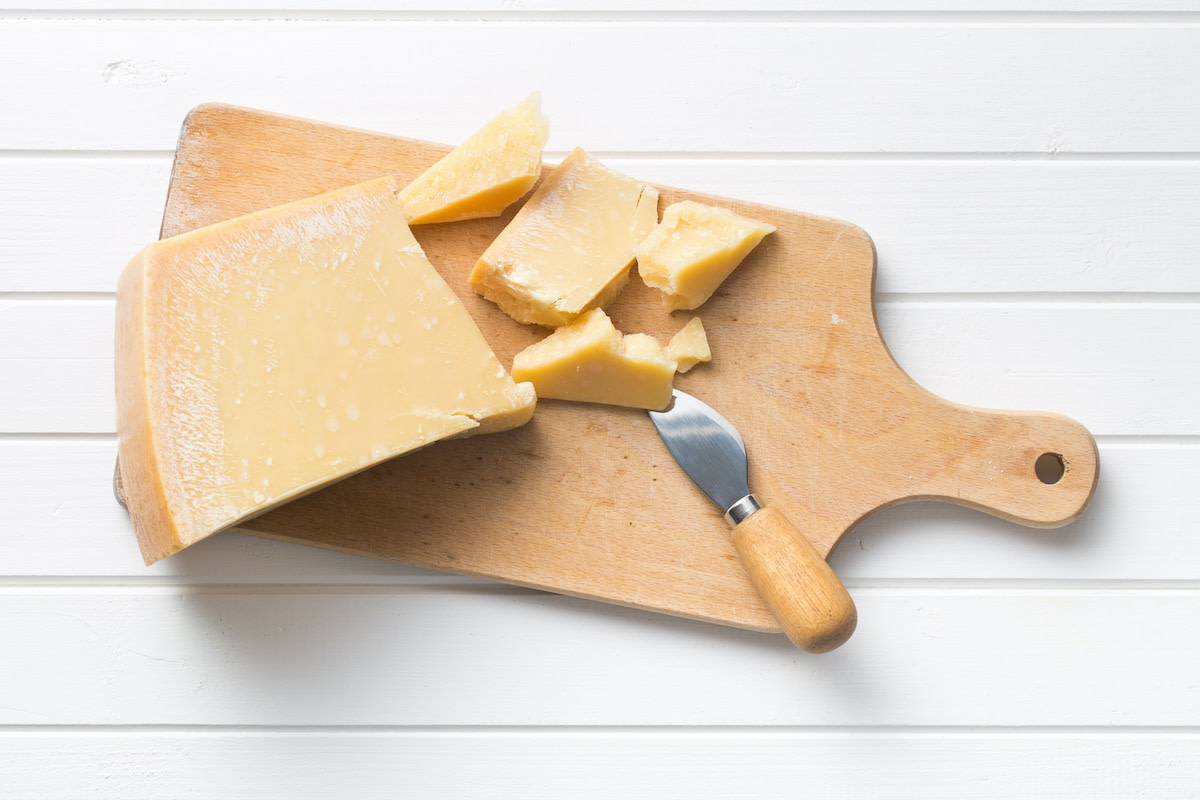
Cheese crystals are bright white crystals that appear on certain types of hard cheeses aged for long periods. The edible crystals are slightly hard, with a sugar-like texture. Cheese crystals, also known as flavor crystals, are a sign that cheese is well-aged and has a strong flavor. The crystal bits also add a salty crunch to the cheese.
How Do Cheese Crystals Form?
Cheese crystal formation occurs as hard cheese ages. When milk solidifies into cheese, fats and proteins group together, creating the cheese curds that become cheese. When certain cheeses age, the proteins or cheese cultures inside of them also break down, causing crystallization.
2 Types of Cheese Crystals
There are two types of cheese crystals: calcium lactate crystals and tyrosine crystals. These crunchy crystals form in different ways on varying types of cheeses:
- 1. Calcium lactate: Calcium lactate crystals form in clusters on top of sharp cheddar and Colby. Calcium lactate crystals, which appear as a white powder, form from starter cultures. As the cheese ages, the bacteria in the culture breaks down the lactose in the cheese and produces lactic acid. The lactic acid then binds to the calcium in the cheese to form calcium lactate, which eventually crystallizes.
- 2. Tyrosine: Tyrosine crystals are found on the inside of Pecorino Romano, gruyère, and Swiss cheese. These tiny crystals resemble white specks. Proteins break down in a process known as proteolysis, and the amino acids left behind crystallize into tyrosine crystals.
Calcium lactate and tyrosine crystals can form alongside each other in some types of cheeses, like Parmesan cheese, aged Parmigiano-Reggiano, and aged gouda cheese.
Want to Learn More About Cooking?
Become a better chef with the MasterClass Annual Membership. Gain access to exclusive video lessons taught by the world’s best, including Gordon Ramsay, Gabriela Cámara, Chef Thomas Keller, Dominique Ansel, Yotam Ottolenghi, Alice Waters, and more.
What Are Cheese Crystals?
Cheese crystals are bright white crystals that appear on certain types of hard cheeses aged for long periods. The edible crystals are slightly hard, with a sugar-like texture. Cheese crystals, also known as flavor crystals, are a sign that cheese is well-aged and has a strong flavor. The crystal bits also add a salty crunch to the cheese.
How Do Cheese Crystals Form?
Cheese crystal formation occurs as hard cheese ages. When milk solidifies into cheese, fats and proteins group together, creating the cheese curds that become cheese. When certain cheeses age, the proteins or cheese cultures inside of them also break down, causing crystallization.
2 Types of Cheese Crystals
There are two types of cheese crystals: calcium lactate crystals and tyrosine crystals. These crunchy crystals form in different ways on varying types of cheeses:
- 1. Calcium lactate: Calcium lactate crystals form in clusters on top of sharp cheddar and Colby. Calcium lactate crystals, which appear as a white powder, form from starter cultures. As the cheese ages, the bacteria in the culture breaks down the lactose in the cheese and produces lactic acid. The lactic acid then binds to the calcium in the cheese to form calcium lactate, which eventually crystallizes.
- 2. Tyrosine: Tyrosine crystals are found on the inside of Pecorino Romano, gruyère, and Swiss cheese. These tiny crystals resemble white specks. Proteins break down in a process known as proteolysis, and the amino acids left behind crystallize into tyrosine crystals.
Calcium lactate and tyrosine crystals can form alongside each other in some types of cheeses, like Parmesan cheese, aged Parmigiano-Reggiano, and aged gouda cheese.
Want to Learn More About Cooking?
Become a better chef with the MasterClass Annual Membership. Gain access to exclusive video lessons taught by the world’s best, including Gordon Ramsay, Gabriela Cámara, Chef Thomas Keller, Dominique Ansel, Yotam Ottolenghi, Alice Waters, and more.

Food
Wine 101: What Is Barrel Aging? Understanding the Barrel Aging Process in Winemaking and the Difference Between Steel and Oak Barrels
Sep 2, 2022

Food
Simple Syrup Recipe: How to Make Simple Syrup for Cocktails
Sep 6, 2026
Food
Almond Meal vs. Almond Flour: What’s the Difference?
Sep 7, 2021
Food
What Is DOC and DOCG Wine? Differences Between DOC, DOCG, IGT, and VdT on Italian Wine Labels
Aug 10, 2021
Food
How to Cut Shiitake Mushrooms
Mar 25, 2022
Food
How to Sharpen a Serrated Knife: Method and Tips
Jan 4, 2022
Other articles
Claude Debussy: A Guide to Claude Debussy’s Life and Music
Jun 25, 2021
How to Play Basketball: Explore the Basics of Basketball
Jun 7, 2021
How to Write a Horror Story in 7 Steps
Dec 8, 2021
Daniel Pink’s ABC’s of Selling: Inside the 3 Key Sales Qualities
Dec 10, 2021
Heavy Metal Music Guide: A Dive Into Heavy Metal Music
Jul 15, 2021
Learn the Difference Between Phrases and Clauses
Aug 11, 2021