Film 101: Understanding Film Lighting
Written by MasterClass
Last updated: Aug 23, 2021 • 4 min read
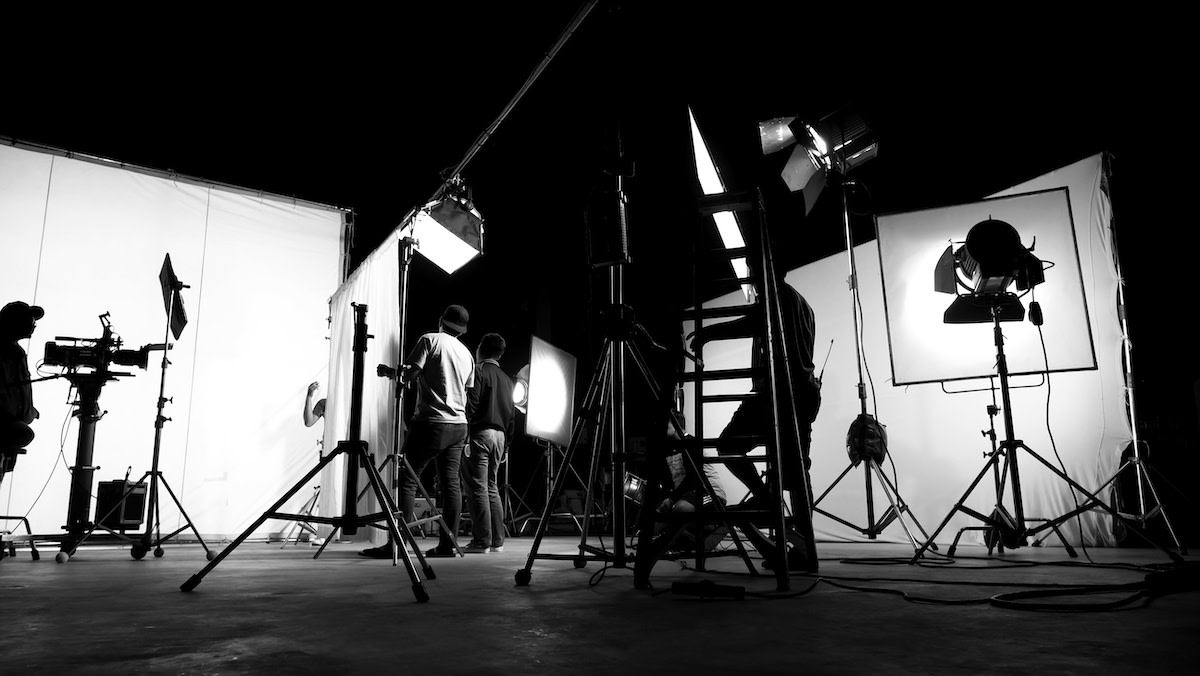
Without good lighting, the best camera in the world can’t capture a perfect picture. Learn how a film crew uses lighting to enhance images, create depth, and support the story’s mood and atmosphere.

Learn From the Best
What Is Cinematic Lighting?
Cinematic lighting is a film lighting technique that goes beyond the standard three-point lighting setup to add drama, depth, and atmosphere to the story. Cinematic lighting utilizes lighting tricks like bouncing light, diffusing light, and adjusting color temperatures.
Why Lighting Is Important
Lighting is a fundamental to film because it creates a visual mood, atmosphere, and sense of meaning for the audience. Whether it’s dressing a film set or blocking actors, every step of the cinematic process affects the lighting setup, and vice-versa.
- Lighting tells the audience where to look. The lighting setup guides the eye to a specific actor, prop, or part of a scene.
- Lighting reflects the psychology of characters. The amount, size, color, and harshness of light surrounding a character can be adjusted to match their emotions.
- Lighting defines and supports the genre of the film. Lighting is the tool that conveys mood most clearly. For example, one of the film genres most known for its distinct lighting style is film noir, characterized by stark contrasts between light and dark, dramatically patterned shadows, and unique framing and composition choices.
Who Determines the Lighting Setup for a Scene?
- The director shares visual inspirations and ideas for cinematic lighting.
- The director of photography or cinematographer: creates the lighting plan with input from the director.
- The gaffer designs and executes the cinematographer’s lighting plan and oversees the crew that brings the lighting plan to life.
How to Create a Simple But Effective Lighting Setup in 3 Easy Steps
The most basic lighting setup is a three-point lighting setup, which highlights the main actor or subject of a scene and makes them stand out from their background. Here’s how to do it:
- 1. Place your main and strongest source of light, called a key light, off to one side of the actor to create a slight shadow on the opposite side of their face.
- 2. Add a second light, called a fill light, on the opposite side of the actor to soften any harsh shadows created by the key light.
- 3. Place a third light, a back light, behind the actor to help define and highlight their features and outlines.
How to Light a Scene Without Professional Equipment
With a DIY filmmaking setup, you can experiment and play with a variety of lighting setups. If you don’t have a lighting kit or access to professional lighting equipment, invest in a few items to make your own:
- 1. Purchase inexpensive clamp lights, LED lights, or tripod-mounted work lights from a hardware store.
- 2. Get some basic heat-resistant color filters, such as blue gels help shift the yellow tint of a halogen bulb to white, and soft filters to reduce harshness.
- 3. Wrap black cinefoil around the edges of the lamp to help direct and focus the light.
12 Film Lighting Techniques Everyone on Set Should Know
There are 12 basic types of lighting used in filmmaking:
- 1. Key lighting is the main—and strongest—light source in a scene or on the actor.
- 2. Fill lighting adds dimension and softens harsh shadows created by the key light.
- 3. Backlighting is placed behind the actor to help define their features and distinguish them from the background.
- 4. Side lighting lights the actor from the side and focuses on the contours of their face for a high-contrast dramatic effect.
- 5. Practical lighting is a light source that is visible within the scene like lamps, light fixtures, candles, and television sets. They’re not usually strong enough to light a subject, but they add to the cinematic ambiance of the scene.
- 6. Hard lighting is a lighting aesthetic with harsh shadows that draws attention to a specific actor or part of a scene.
- 7. Soft lighting is a lighting aesthetic with little to no harsh shadows that’s bright yet balanced.
- 8. High-key lighting is a lighting aesthetic with no shadows and intense brightness, bordering on overexposure. You’ll commonly see high-key lighting in a television sitcom, a music video, or a commercial.
- 9. Low-key lighting is a lighting aesthetic with a lot of shadows to create a sense of mystery or suspense.
- 10. Natural lighting uses and modifies the available light at the location of the shoot.
- 11. Motivated lighting is a controlled lighting technique meant to imitate natural light sources in the scene like the sun or the moon.
- 12. Bounce lighting is a technique where light is bounced from a strong source toward the actor with a reflector, which soften and spread the light.
Lighting a scene requires trial and error. Take time to experiment with three-point lighting, soft light, hard light, low-key light, and high-key light to find the right balance of light and shadows for your shot.
Learn more about lighting in film from David Lynch here.


Arts & Entertainment
How to Set Up Video Lighting: 4 Tips for Lighting Video
Aug 27, 2020

Arts & Entertainment
What Is a Fill Light? Learn About 7 Types of Fill Lights and the Best Ways to Use a Fill Light to Achieve Mood
Jun 10, 2019

Arts & Entertainment
What Is a Key Light? Learn How Key Light Creates Different Cinematography Effects
May 28, 2019

Arts & Entertainment
Film 101: What Is Cinematography and What Does a Cinematographer Do?
Apr 27, 2019

Arts & Entertainment
Best Lighting for Video Recording: Tips From Marques Brownlee
Jun 30, 2022

Arts & Entertainment
What Is Three-Point Lighting? Learn About the Lighting Technique and Tips For the Best Three-Point Lighting Setups
May 29, 2019
Other articles
Rembrandt Lighting Style: How to Use Rembrandt Lighting
Mar 31, 2022
How to Make a Light Diffuser on a Budget
May 13, 2020
How to Use Chiaroscuro to Add Dimension to Your Film
May 18, 2020
Film 101: Understanding the Dutch Angle
Jul 7, 2020
Lighting Designer: How to Become a Lighting Designer
Dec 20, 2021
How to Use Baby Corn: 5 Ways to Cook With Baby Corn
Jul 26, 2021