How to Cook With Bay Leaves: 17 Recipe Ideas Using Bay Leaves
Written by MasterClass
Last updated: Aug 11, 2021 • 4 min read
Native to the Mediterranean, bay leaves haven’t always been isolated to the kitchen for their culinary uses. This leafy herb, which comes from the laurel tree, was used in ancient Roman and Greek societies to crown the heads of victors after battle as a symbol of their success.
Today, bay leaves are more commonly found swimming in pots of rich sauces, rather than adorning the heads of victors. Unlike its herbal cousins, bay leaves are rarely consumed directly, as they're typically added to a sauce or stock during the stewing process and removed before consumption.

Learn From the Best
What Are Bay Leaves?
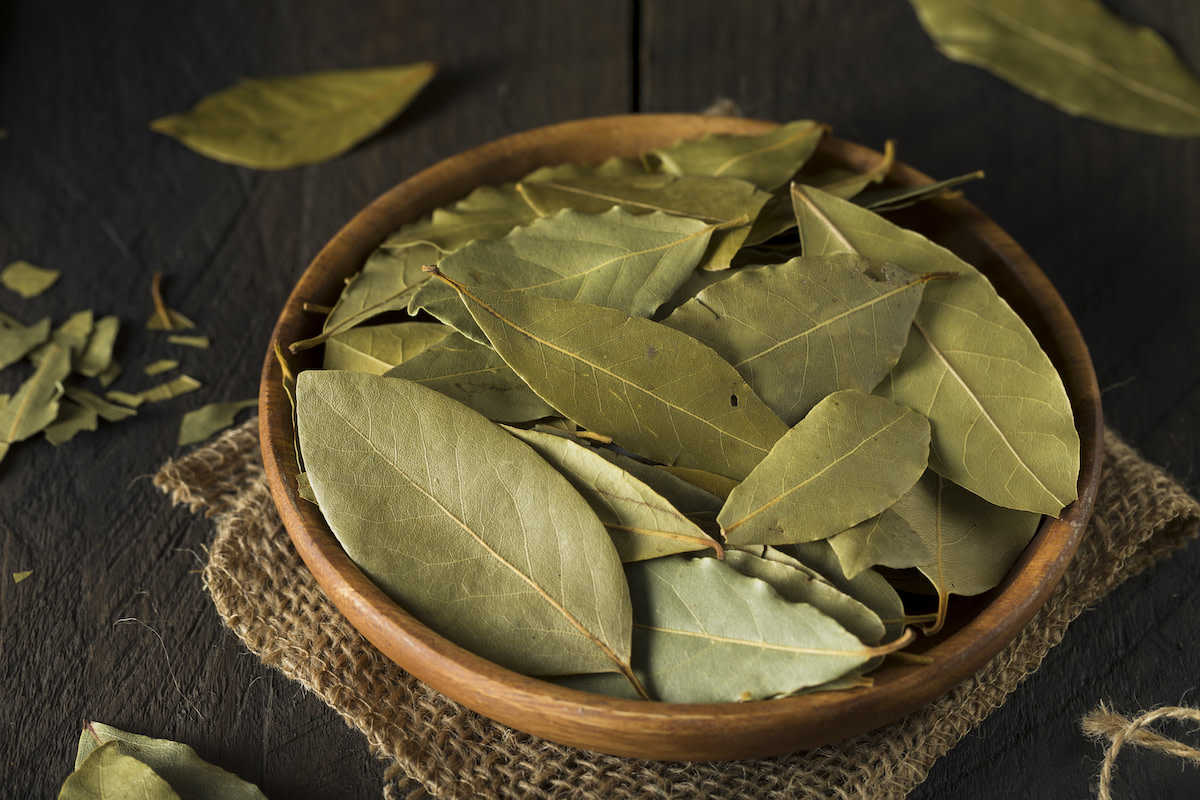
The bay leaf is a powerfully aromatic leaf used primarily for culinary purposes. Although there are multiple varieties of bay leaves cultivated around the world today, the original bay leaf came from the bay laurel tree (Laurus nobilis) native to the Asian region of the Mediterranean. This form of bay leaf, which is also known as sweet bay and Grecian laurel, is still the herb typically used for infusing soups and sauces with an aromatic flavor.
Bay leaves can be used in dried, crushed, and fresh form, but are most commonly sold as dried whole leaves in the spice aisle of any grocery store.
6 Bay Leaf Varieties
While there are a number of bay leaf types grown around the world, the two primary varieties are:
- Mediterranean bay leaf (aka Turkish bay leaf) - The most common form of bay leaf, which is cultivated around the Mediterranean. Known for its aromatic, tea-like flavor with notes of menthol. Recognizable by its 1 to 4-inch long bright green ovular leaves
- Californian bay leaf (aka Umbellularia californica, Californian laurel, Oregon myrtle, and pepperwood) - This popular form of bay leaf, which is native to California, has a stronger, more aromatic flavor than the Turkish variety, with strong notes of eucalyptus. Recognizable by its long, slender leaves, this variety comes from another species of shrubby evergreen tree.
Other, less common varieties of the herb include:
- Indian bay leaf - A variety of bay leaf with short, light green leaves and a distinct cinnamon-like taste. Thanks to its unique flavor, Indian bay leaves are not a good substitute for Turkish or Californian bay leaves.
- West Indian bay leaf - Derived from the West Indian bay tree, this leaf is primarily used to create cologne, as well as occasional culinary uses.
- Indonesian bay leaf - This herb, which is most commonly applied directly to meat, is rarely used outside of Indonesia.
- Mexican bay leaf - Primarily used in Mexican cooking, this form of bay leaf has a far subtler flavor than its Californian neighbor to the north.
What’s the Difference Between Fresh Bay Leaves and Dried Bay Leaves?
The flavor and aroma of bay leaves varies between the fresh and dried forms. While fresh bay leaves have a notably bitter taste and pungent aroma, dried bay leaves take on more herbal notes reminiscent of thyme and oregano. As a rule of thumb, 1 dried bay leaf can be substituted with 2 fresh bay leaves for a similar flavor.
Due to this difference in flavor, bay leaves are one of the few herbs generally preferred in its dried, rather than fresh, form. The flavor released by the dried herb can also vary depending on the time it's spent steeping in hot liquid. A dried bay leaf simmered for a few minutes will give off hints of eucalyptus and menthol thanks to an organic chemical called eugenol. However, these harsher chemical notes will diminish the longer a bay leaf is stewed, giving way to more gentle herbaceous flavors and aromas.
Culinary Uses for Bay Leaves
Bay leaves are a common ingredient in the French “bouquet garni,” a traditional bundle of herbs that is tied together and added to stews, soups, sauces, and casseroles during the cooking process.
Bay leaves are also commonly used in marinades for meat and fish, added to boiling water to cook seafood like crab and shrimp, and used in pickling solutions. In addition to these various savory applications, bay leaves are also occasionally added to the cream mixture for rice pudding, infusing the dessert with a subtle herbal flavor.
How to Store Bay Leaves
Dried bay leaves should be stored in an airtight container in a cool, dry place. Dried bay leaves will maintain their flavor for 2 to 3 months. While you can still use the leaves past this date, the flavor will be significantly reduced. To keep dried bay leaves fresher for the long haul, store the leaves in an airtight container in the freezer.
Fresh bay leaves should be wrapped in a damp paper towel and stored in a ziplock bag in the refrigerator for 1 to 2 weeks. Optionally, fresh bay leaves can also be stored in the freezer to significantly extend the shelf life.
17 Recipes Using Bay Leaves:
- 1. Gordon Ramsay’s Pomme Purée
- 2. Ratatouille
- 3. Caribbean jerk chicken
- 4. Thai and Laotian curries
- 5. Philippino adobo
- 6. Philippino menudo
- 7. Indian biryani
- 8. Beef stew
- 9. Roasted potatoes with fresh bay leaves and olive oil
- 10. Creamy risotto
- 11. Classic Italian Bolognese sauce
- 12. Indian Chicken Curry
- 13. Lamb Tagine
- 14. Simple Vegetable Soup
- 15. Seafood Chowder
- 16. Pickled Cucumbers
- 17. Mexican Posole

Food
Wine 101: What Is Barrel Aging? Understanding the Barrel Aging Process in Winemaking and the Difference Between Steel and Oak Barrels
Sep 2, 2022

Food
Simple Syrup Recipe: How to Make Simple Syrup for Cocktails
Sep 6, 2026
Food
Almond Meal vs. Almond Flour: What’s the Difference?
Sep 7, 2021

Food
What Is DOC and DOCG Wine? Differences Between DOC, DOCG, IGT, and VdT on Italian Wine Labels
Aug 10, 2021
Food
How to Cut Shiitake Mushrooms
Mar 25, 2022
Food
How to Sharpen a Serrated Knife: Method and Tips
Jan 4, 2022
Other articles
Claude Debussy: A Guide to Claude Debussy’s Life and Music
Jun 25, 2021
How to Play Basketball: Explore the Basics of Basketball
Jun 7, 2021
How to Write a Horror Story in 7 Steps
Dec 8, 2021
Daniel Pink’s ABC’s of Selling: Inside the 3 Key Sales Qualities
Dec 10, 2021
Heavy Metal Music Guide: A Dive Into Heavy Metal Music
Jul 15, 2021
Learn the Difference Between Phrases and Clauses
Aug 11, 2021