How to Store Potatoes: 5 Tips for Storing Potatoes
Written by MasterClass
Last updated: Aug 20, 2021 • 4 min read
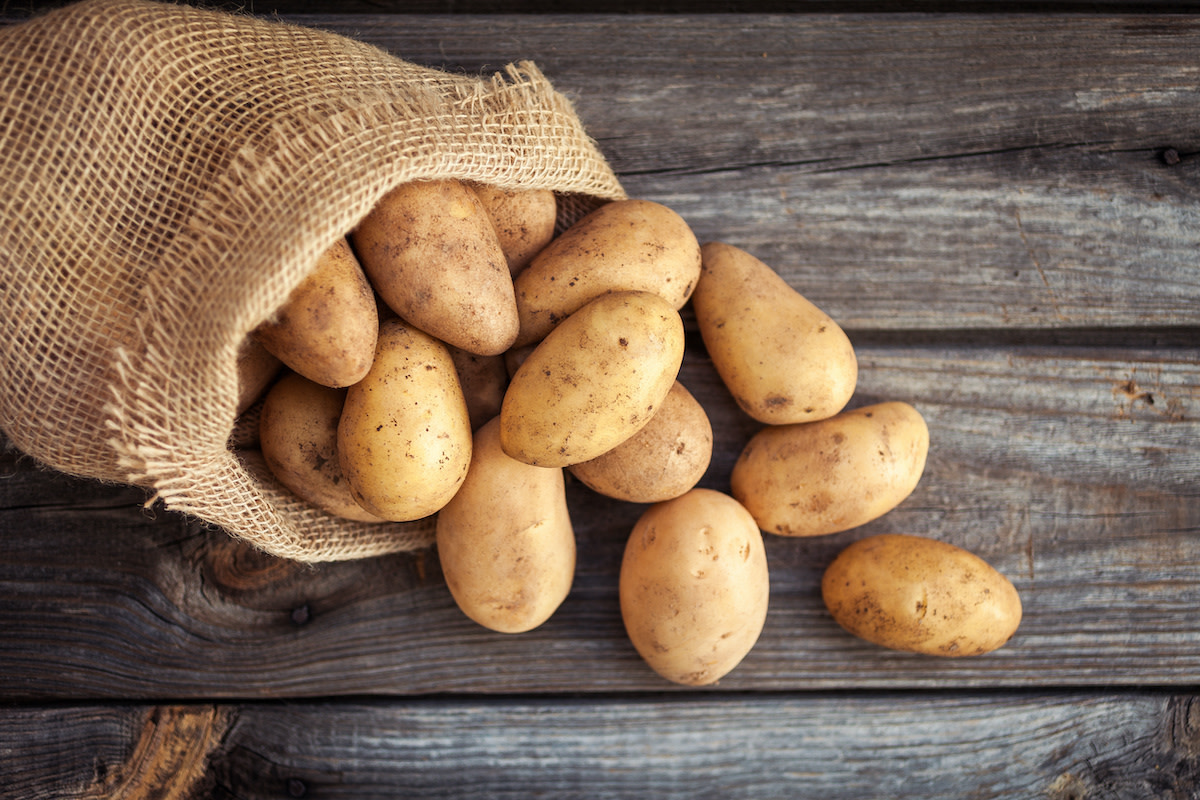
Fresh potatoes from the farmer’s market or grocery store can be kept for months at a time if they are stored properly. However, it’s just as easy to make simple, easily avoidable food storage mistakes with potatoes that lead to spoilage. Read on for a guide on how to store potatoes properly and how to tell if they’ve gone bad.

Learn From the Best
What Are Potatoes?
Potatoes are the tubers (large underground storage stems) of Solanum tuberosum, a nightshade plant native to the Andes Mountains, where they’ve been cultivated for about 8,000 years. A member of the same family as tomatoes, eggplants, and peppers, potato plants also produce flowers, leaves, and poisonous berries.
Mature potatoes are harvested in the fall by killing the above-ground part of the plant and leaving the potatoes in the soil for a few weeks to thicken their skins. Potatoes are a popular starch that can be stored at room temperature in your home for everyday use. However, there are many ways you can prevent them from going bad rapidly.
How to Store Potatoes
A pound of potatoes from the grocery store can survive in your home for months if they are stored properly. The best way to store potatoes is to keep them in a dark, cool place with plenty of air circulation. They should be stored at room temperature (around 50 degrees Fahrenheit) out of the sunlight.
5 Tips for Storing Potatoes
If you just bought a large bag of potatoes from the grocery store to use over a few months, you want to set your stored potatoes up to last. Here are some storage tips for keeping your potatoes fresh for months to come.
- 1. Store them in the dark. The best place to store potatoes is in a dry, dark place, such as a kitchen cabinet or drawer, or a root cellar or unheated basement. The ideal storage temperature is around 50 degrees Fahrenheit. Make sure your storage space also has good ventilation and is not in direct sunlight.
- 2. Encourage proper ventilation. Store your potatoes in a well-ventilated container that allows for airflow such as a paper bag, cardboard box, wire basket, or mesh bag. They will also keep at room temperature in a bowl on the countertop that is out of direct sunlight. Never store potatoes in a plastic bag or airtight container, because they will trap air and gas around the potatoes, encouraging them to spoil.
- 3. Store them at room temperature. Raw potatoes like cold temperatures, but they should be stored at room temperature. Storing your potatoes in the refrigerator doesn’t prolong their storage life, and the cold can turn your potatoes' starches into sugars, encouraging sprouting.
- 4. Store them away from other veggies. Certain fruits and vegetables like apples, bananas, and onions, produce ethylene gas which causes nearby produce to ripen faster. For long-term storage, keep potatoes away from these fruits and vegetables to preserve them longer.
- 5. Freeze your potatoes. If you want to preserve your potatoes to be cooked for up to a year, you can freeze them instead of simply storing them. However, you will need to peel and cook your potatoes before you do that. To freeze boiled potatoes, simply bring cut-up potatoes to a boil in a pot of water and cook them until they are nearly done. Drain your potatoes and submerge them in an ice bath to stop the cooking process. Drain your potatoes again and pat them dry to remove any excess moisture. Lay your potatoes out in a single layer on a parchment paper-lined baking sheet and stick them in the freezer for twelve hours. Once your potatoes are frozen solid, you can put them in a large freezer bag with as much air sucked out of it as possible.
3 Signs Potatoes Have Gone Bad
Potatoes continue to photosynthesize even after they have been picked from the plant. As they photosynthesize, they also release carbon dioxide and moisture which can cause the potatoes to spoil. Here are a few signs that your potatoes are past their prime.
- 1. Skin blemishes: If you notice any discoloration like blemishes, soft spots, or nascent mold on the skin of your potatoes, they have gone bad. Potatoes will also begin to sprout buds on the surface of their skin as they build up sugar to germinate new plants. Many people choose not to eat potatoes that have sprouted, but you can safely remove the sprouts and cook the remaining potatoes.
- 2. Wrinkled texture: Spuds that are past their prime may feel wrinkly and bendable instead of their usually firm texture.
- 3. Green color: The many potato varieties come in a number of different colors—including red, purple, golden, or white—but green potatoes are not okay to eat. These potatoes taste bitter when they are ingested.
Want to Learn More About Cooking?
Become a better chef with the MasterClass Annual Membership. Gain access to exclusive video lessons taught by the world’s best, including Alice Waters, Gabriela Cámara, Niki Nakayama, Chef Thomas Keller, Gordon Ramsay, Yotam Ottolenghi, Dominique Ansel, and more.

Food
Wine 101: What Is Barrel Aging? Understanding the Barrel Aging Process in Winemaking and the Difference Between Steel and Oak Barrels
Sep 2, 2022

Food
Simple Syrup Recipe: How to Make Simple Syrup for Cocktails
Sep 6, 2026
Food
Almond Meal vs. Almond Flour: What’s the Difference?
Sep 7, 2021
Food
What Is DOC and DOCG Wine? Differences Between DOC, DOCG, IGT, and VdT on Italian Wine Labels
Aug 10, 2021
Food
How to Cut Shiitake Mushrooms
Mar 25, 2022
Food
How to Sharpen a Serrated Knife: Method and Tips
Jan 4, 2022
Other articles
Claude Debussy: A Guide to Claude Debussy’s Life and Music
Jun 25, 2021
How to Play Basketball: Explore the Basics of Basketball
Jun 7, 2021
How to Write a Horror Story in 7 Steps
Dec 8, 2021
Daniel Pink’s ABC’s of Selling: Inside the 3 Key Sales Qualities
Dec 10, 2021
Heavy Metal Music Guide: A Dive Into Heavy Metal Music
Jul 15, 2021
Learn the Difference Between Phrases and Clauses
Aug 11, 2021