Learn About Negroamaro: Understanding the Italian Wine Grape
Written by MasterClass
Last updated: Jun 7, 2021 • 1 min read
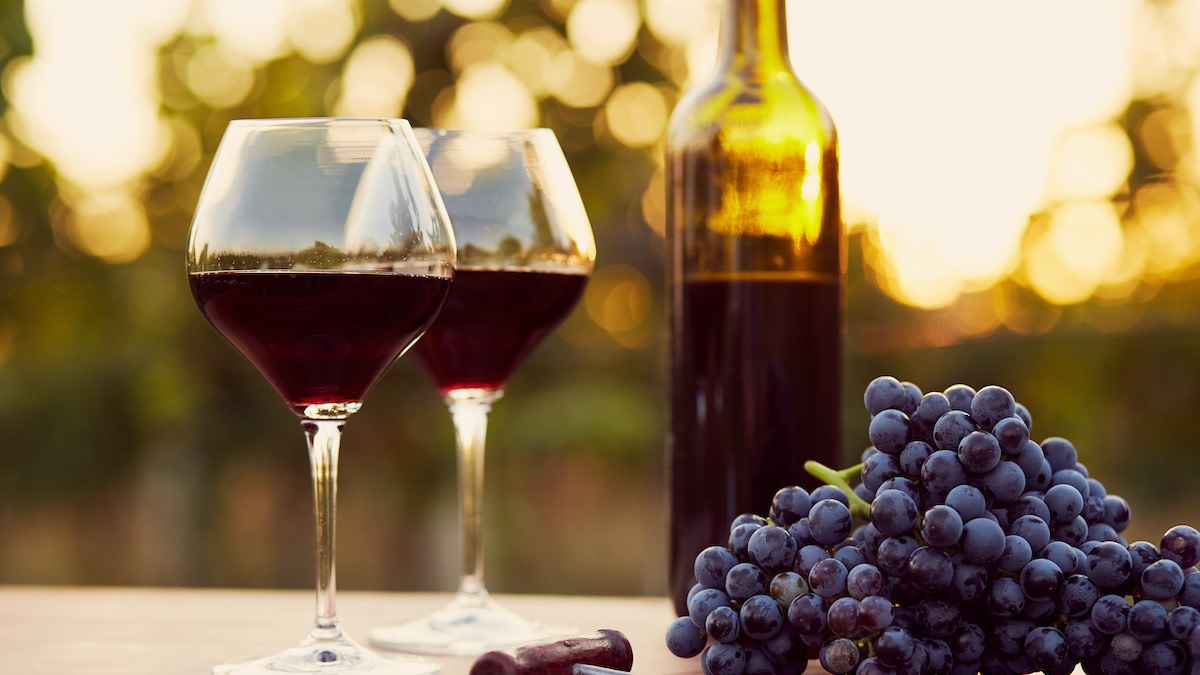
The little known Italian Negroamaro, a dark-skinned grape, makes ruby red wines with enough bite and complexity to distinguish them from grape juice, but enough sweet berry flavor to make for laidback, easy drinking.

Learn From the Best
What Is Negroamaro?
Negroamaro (pronounced NEH-groh-ah-MAH-ro) is a grape variety native to Southern Italy. In modern Italian, the word Negroamaro is derived from word for black, and the Italian word amaro, meaning bitter, referring to both the grape’s signature hue and tannic properties.
Where Is Negroamaro Grown?
Negroamaro grapes are exclusively grown throughout the Puglia region, in areas comprising the “heel” of Italy, notably the Salento peninsula, Tarento, Lecce, Brindisi, and Foggia.
What Does Negroamaro Taste Like?
Negroamaro is earthy and dominated by dark fruits—mainly, prunes and ripe plum, blackberry, and sweet cherries—with a faint herbaceous finish reminiscent of dried thyme or sharp, aromatic spices like allspice or clove. It’s fairly dry on the palate, thanks to its relatively high tannins, but ultimately a full-bodied grape.
Which Wines Are Made With Negroamaro Grapes?
Negroamaro grapes are most often used in blends alongside other varietals, namely Malvasia Nera, Montepulciano, Sangiovese, and Primitivo (also known as Zinfandel)—of which it is a close relative. 100% varietal wines are also produced by select winemakers.
Those wines made under the Salice Salentino DOC are said to be some of the strongest expressions of the Negroamaro grape, thanks to the area’s hot Mediterranean climate. Some producers use negroamaro to rosé wine (Rosato) and to make sparkling (frizzante) red wines.
Foods to Pair with Negroamaro
Wines made with Negroamaro are a solid pairing choice no matter what you put on the table. In particular, fruity, full-bodied Negroamaro wines are a great counterpoint for big, bold flavors: The smoky char of grilled meat, spicy charcuterie, and rich, caramelized tones in braises and roasts all bring out the fullest expression of its fruit.
Conversely, they can also function as a complementary pairing to fresh, seasonal fruit and vegetables, especially during the height of summer. Think jammy heirloom tomatoes with creamy, cool mozzarella and peppery basil, stone fruit salads with funky, aged cheese, or raw zucchini ribbons dressed with garlic, lemon, and grassy olive oil.
Learn More
Want to learn more about the culinary arts? The MasterClass Annual Membership provides exclusive video lessons from master chefs and wine critics, including James Suckling, Lynnette Marrero, Ryan Chetiyawardana, Gabriela Cámara, Gordon Ramsay, Massimo Bottura, and more.

Food
Wine 101: What Is Barrel Aging? Understanding the Barrel Aging Process in Winemaking and the Difference Between Steel and Oak Barrels
Sep 2, 2022

Food
Simple Syrup Recipe: How to Make Simple Syrup for Cocktails
Sep 6, 2026
Food
Almond Meal vs. Almond Flour: What’s the Difference?
Sep 7, 2021
Food
What Is DOC and DOCG Wine? Differences Between DOC, DOCG, IGT, and VdT on Italian Wine Labels
Aug 10, 2021
Food
How to Cut Shiitake Mushrooms
Mar 25, 2022
Food
How to Sharpen a Serrated Knife: Method and Tips
Jan 4, 2022
Other articles
Claude Debussy: A Guide to Claude Debussy’s Life and Music
Jun 25, 2021
How to Play Basketball: Explore the Basics of Basketball
Jun 7, 2021
How to Write a Horror Story in 7 Steps
Dec 8, 2021
Daniel Pink’s ABC’s of Selling: Inside the 3 Key Sales Qualities
Dec 10, 2021
Heavy Metal Music Guide: A Dive Into Heavy Metal Music
Jul 15, 2021
Learn the Difference Between Phrases and Clauses
Aug 11, 2021