Maki vs. Temaki: 3 Differences Between Maki and Temaki Sushi
Written by MasterClass
Last updated: Mar 3, 2022 • 2 min read
Learn about the differences between two different types of Japanese sushi: maki and temaki.

Learn From the Best
What Is Maki?
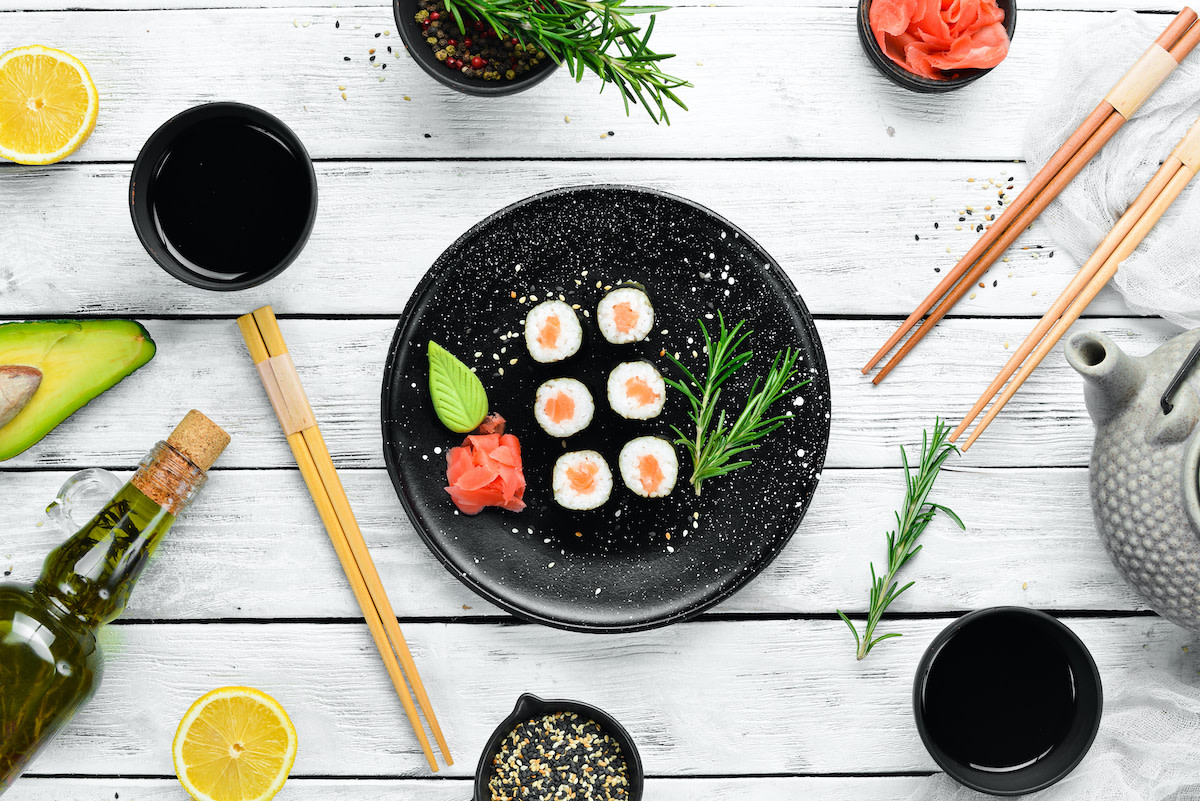
Maki is rolled sushi, also known as makizushi, maki sushi, or norimaki. Maki rolls can take many forms, whether small or large, shaped into a roll formed in a makisu (bamboo mat), or hand-rolled. They always feature sushi rice and toppings wrapped together in toasted nori seaweed. Makizushi can be an appetizer, a main dish, or part of a bento box, typically paired with soy sauce for dipping and gari (pickled ginger) to cleanse the palate. Typically maki rolls are cut into bite-sized pieces.
What Is Temaki?
Temaki is sushi in the hand roll form, otherwise known as hand roll sushi. Typically they are made from vinegared rice and sashimi (raw fish), veggies, or other fillings enclosed in a nori (seaweed) cone. For temaki in Japan, it's common to use cooked seafood like smoked salmon, shrimp tempura (a Japanese-style deep-fried shrimp), or even tamago, which is a sweet egg omelette found in many sushi bars.
Maki vs. Temaki: What’s the Difference?
Sushi rolls and hand rolls contain the same core ingredients and are served with soy sauce and wasabi. They both differ from nigiri sushi in that they share the rolled form, but there are three differences between maki and temaki.
- Shape: The main difference between maki and temaki is the shape. Maki is rolled into a tubular shape using a sushi mat made of bamboo, and the ingredients are encircled by a large sheet of nori. Temaki is rolled by hand into a cone shape using a small sheet of nori.
- Consumption: Maki is usually sliced into six or eight small pieces with a sharp knife and eaten with the help of chopsticks. You eat temaki rolls more like an ice cream cone and use your hands.
- Variations: Any cone-shaped sushi is known as temaki, but there are different types of sushi under the maki roll umbrella. Futomaki refers to maki rolls with multiple ingredients; this includes American sushi menu classics such as the Philadelphia roll or California roll. Often these rolls contain meat and vegetables like radish, daikon, and sometimes even egg in addition to fish or other main ingredients. Hosomaki is a maki roll with only one filling; examples include a simple cucumber roll or tuna roll. Uramaki is a roll style where the cooked rice is layered on the outside of the nori seaweed sheet and coated with sesame seeds.
Want to Learn More About Cooking?
Become a better chef with the MasterClass Annual Membership. Gain access to exclusive video lessons taught by the world’s best, including Niki Nakayama, Gabriela Cámara, Chef Thomas Keller, Yotam Ottolenghi, Dominique Ansel, Gordon Ramsay, Alice Waters, and more.


Food
New England Clam Chowder: 4 Tips for Making Chowder
Oct 23, 2026
Food
Wine 101: What Is Barrel Aging? Understanding the Barrel Aging Process in Winemaking and the Difference Between Steel and Oak Barrels
Sep 2, 2022

Food
Simple Syrup Recipe: How to Make Simple Syrup for Cocktails
Oct 20, 2026
Food
Almond Meal vs. Almond Flour: What’s the Difference?
Sep 7, 2021
Food
What Is DOC and DOCG Wine? Differences Between DOC, DOCG, IGT, and VdT on Italian Wine Labels
Aug 10, 2021
Food
How to Cut Shiitake Mushrooms
Mar 25, 2022
Other articles
Claude Debussy: A Guide to Claude Debussy’s Life and Music
Jun 25, 2021
How to Play Basketball: Explore the Basics of Basketball
Jun 7, 2021
How to Write a Horror Story in 7 Steps
Dec 8, 2021
Daniel Pink’s ABC’s of Selling: Inside the 3 Key Sales Qualities
Dec 10, 2021
Heavy Metal Music Guide: A Dive Into Heavy Metal Music
Jul 15, 2021
Learn the Difference Between Phrases and Clauses
Aug 11, 2021