Mascarpone vs. Ricotta Cheese: 3 Key Differences
Written by MasterClass
Last updated: Oct 22, 2021 • 1 min read
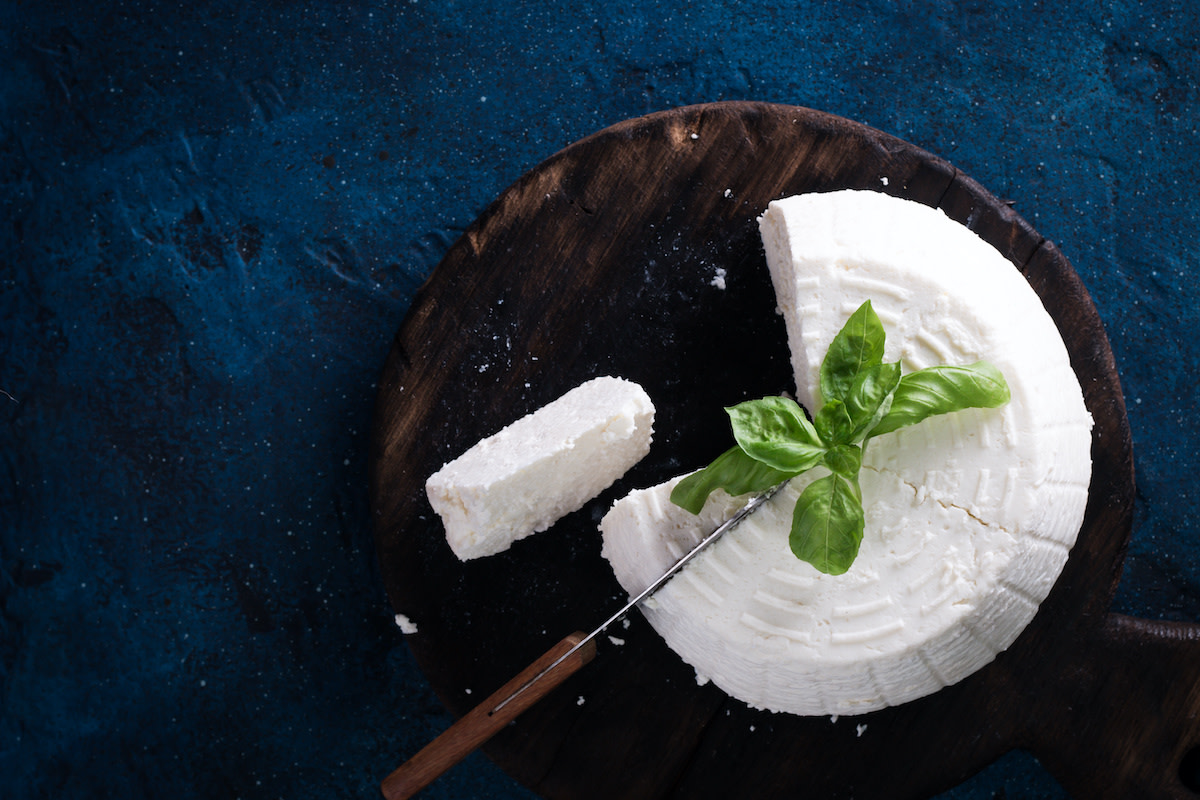
Mascarpone cheese and ricotta cheese are popular Italian cheeses made from fresh milk, but there are key differences.

Learn From the Best
What Is Mascarpone?
Mascarpone, also known as Italian cream cheese, is a rich, creamy cheese made from cow’s milk and has an especially high percentage of butterfat. Mascarpone is made by adding a tartaric acid or citric acid like lemon juice to full-fat heavy cream. Mascarpone is a Renaissance-era invention from the Lombardy region of Northern Italy, and a staple ingredient in Italian desserts, like tiramisu.
What Is Ricotta?
Ricotta is a fresh, soft, white cheese made from leftover whey—the watery part of whole milk that’s separated from the curds during cheesemaking. Rather than throw away this nutritious milk-water, Italian cheese makers developed ricotta by heating whey near a boil, which caused it to coagulate and form a soft cheese. Ricotta is a popular cheese for filling ravioli and cannolis and is a key ingredient for making lasagna and cheesecake.
Mascarpone vs. Ricotta: What’s the Difference?
Ricotta cheese and mascarpone cheese are both made from fresh milk, but these Italian cheeses differ in texture, taste, and content.
- Texture: Ricotta has a grainy texture, like cottage cheese, and mascarpone has a smooth, creamy texture, similar to heavy whipping cream. Mascarpone is a more spreadable cheese than ricotta.
- Taste: Ricotta is brighter and more acidic than mascarpone. Mascarpone has a slightly sweet, milky flavor.
- Fat content: Ricotta has a very low milk fat content—around ten percent—and a high water content. Mascarpone has a high-fat content, around seventy-five percent butterfat.
Can You Use Mascarpone and Ricotta Interchangeably?
Due to the differences in texture, taste, and fat content, you should not use mascarpone and ricotta interchangeably in all recipes. You can use ricotta for mascarpone in a pinch—especially for baked goods—but the main difference will be in the texture: Look for a high-quality brand of ricotta with very fine curds. You can also whip ricotta prior to use for a creamier effect.
Want to Learn More About Cooking?
Become a better chef with the MasterClass Annual Membership. Gain access to exclusive video lessons taught by the world’s best, including Massimo Bottura, Gabriela Cámara, Niki Nakayama, Chef Thomas Keller, Yotam Ottolenghi, Dominique Ansel, Gordon Ramsay, Alice Waters, and more.

Food
Wine 101: What Is Barrel Aging? Understanding the Barrel Aging Process in Winemaking and the Difference Between Steel and Oak Barrels
Sep 2, 2022

Food
Simple Syrup Recipe: How to Make Simple Syrup for Cocktails
Oct 20, 2026
Food
Almond Meal vs. Almond Flour: What’s the Difference?
Sep 7, 2021
Food
What Is DOC and DOCG Wine? Differences Between DOC, DOCG, IGT, and VdT on Italian Wine Labels
Aug 10, 2021
Food
How to Cut Shiitake Mushrooms
Mar 25, 2022
Food
How to Sharpen a Serrated Knife: Method and Tips
Jan 4, 2022
Other articles
Claude Debussy: A Guide to Claude Debussy’s Life and Music
Jun 25, 2021
How to Play Basketball: Explore the Basics of Basketball
Jun 7, 2021
How to Write a Horror Story in 7 Steps
Dec 8, 2021
Daniel Pink’s ABC’s of Selling: Inside the 3 Key Sales Qualities
Dec 10, 2021
Heavy Metal Music Guide: A Dive Into Heavy Metal Music
Jul 15, 2021
Learn the Difference Between Phrases and Clauses
Aug 11, 2021