How to Use Mizuna: A Guide to Japanese Mustard Greens
Written by MasterClass
Last updated: Dec 3, 2021 • 2 min read
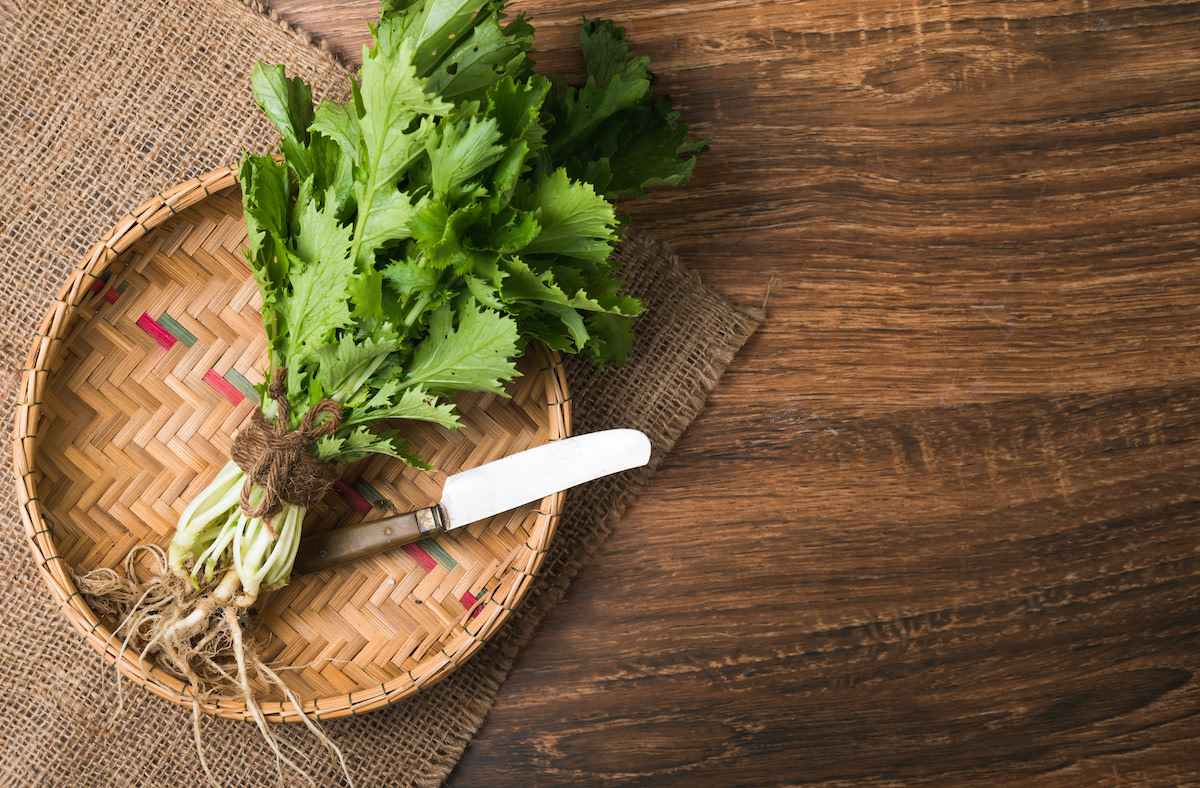
Mizuna is a dark leafy green densely packed with nutrients, making it a healthy addition to any meal.

Learn From the Best
What Is Mizuna?
Mizuna (Brassica rapa var. nipposinica) is a leafy green with dark green leaves and a central stem. Mizuna, which is cultivated in East Asia, is part of the same genus as turnip, napa cabbage, and bok choy and has mild peppery taste, similar to arugula. Mizuna is also known as water greens, kyona, Japanese mustard greens, and spider mustard. In Japan, Mizuna is one of several vegetables known as Kyo yasai or Kyo-no-dento-yasai, which designates heirloom vegetables traditionally grown in Kyoto.
5 Types of Mizuna
There are sixteen varieties of mizuna greens, including:
- 1. 'Komatsuna': This common mizuna has rounded leaves, a white stem, and is bred to be resistant to heat and disease.
- 2. 'Red Komatsuna': This type is similar to komatsuna, but with dark reddish purple leaves.
- 3. 'Kyona': 'Kyona' has a thin white stem and features feathery, serrated leaves that look similar to dandelion greens.
- 4. 'Summer Fest': Also known as 'Natsu Rakuten,' this hybrid variety has dark green, rounded leaves.
- 5. 'Waido': 'Waido' has broad, green leaves and a stronger flavor than most varieties of the leafy greens.
What Are the Benefits of Mizuna?
Mizuna is densely packed with nutrients and is low in calories. Mizuna is rich in vitamins A and C, which are essential for maintaining a strong immune system. It also contains vitamin K, calcium, and iron. Mizuna is rich in antioxidants, including beta carotene, which promotes eye and heart health. Note that mizuna also contains oxalates, which can contribute to kidney stones if eaten in large quantities.
How to Use Mizuna
Mizuna has a long growing season, and the leafy greens are typically available in Japanese grocery stores from early spring to late summer. You can use mizuna as salad greens or part of a salad mix. If you’ve ever gotten “spicy mix” at the farmers’ market, it probably contained a combination of baby mizuna, red mustard, and arugula.
You can also add mizuna to stir-fry dishes. When you stir-fry or sautée with olive oil, mizuna will cook down slightly but will still retain its crispy texture. You can also braise mizuna in soups—in Asian cuisines, it is a popular veggie for hot pot.
Want to Learn More About Cooking?
Become a better chef with the MasterClass Annual Membership. Gain access to exclusive video lessons taught by the world’s best, including Niki Nakayama, Gabriela Cámara, Chef Thomas Keller, Yotam Ottolenghi, Dominique Ansel, Gordon Ramsay, Alice Waters, and more.


Food
New England Clam Chowder: 4 Tips for Making Chowder
Oct 23, 2026

Food
Wine 101: What Is Barrel Aging? Understanding the Barrel Aging Process in Winemaking and the Difference Between Steel and Oak Barrels
Sep 2, 2022

Food
Simple Syrup Recipe: How to Make Simple Syrup for Cocktails
Oct 20, 2026
Food
Almond Meal vs. Almond Flour: What’s the Difference?
Sep 7, 2021

Food
What Is DOC and DOCG Wine? Differences Between DOC, DOCG, IGT, and VdT on Italian Wine Labels
Aug 10, 2021
Food
How to Cut Shiitake Mushrooms
Mar 25, 2022
Other articles
Claude Debussy: A Guide to Claude Debussy’s Life and Music
Jun 25, 2021
How to Play Basketball: Explore the Basics of Basketball
Jun 7, 2021
How to Write a Horror Story in 7 Steps
Dec 8, 2021
Daniel Pink’s ABC’s of Selling: Inside the 3 Key Sales Qualities
Dec 10, 2021
Heavy Metal Music Guide: A Dive Into Heavy Metal Music
Jul 15, 2021
Learn the Difference Between Phrases and Clauses
Aug 11, 2021