Spanish Lavender Care Guide: How to Grow Spanish Lavender
Written by MasterClass
Last updated: Sep 24, 2021 • 2 min read
A fragrant plant that attracts pollinators, Spanish lavender makes for a great addition to gardens in warmer climates.

Learn From the Best
What Is Spanish Lavender?
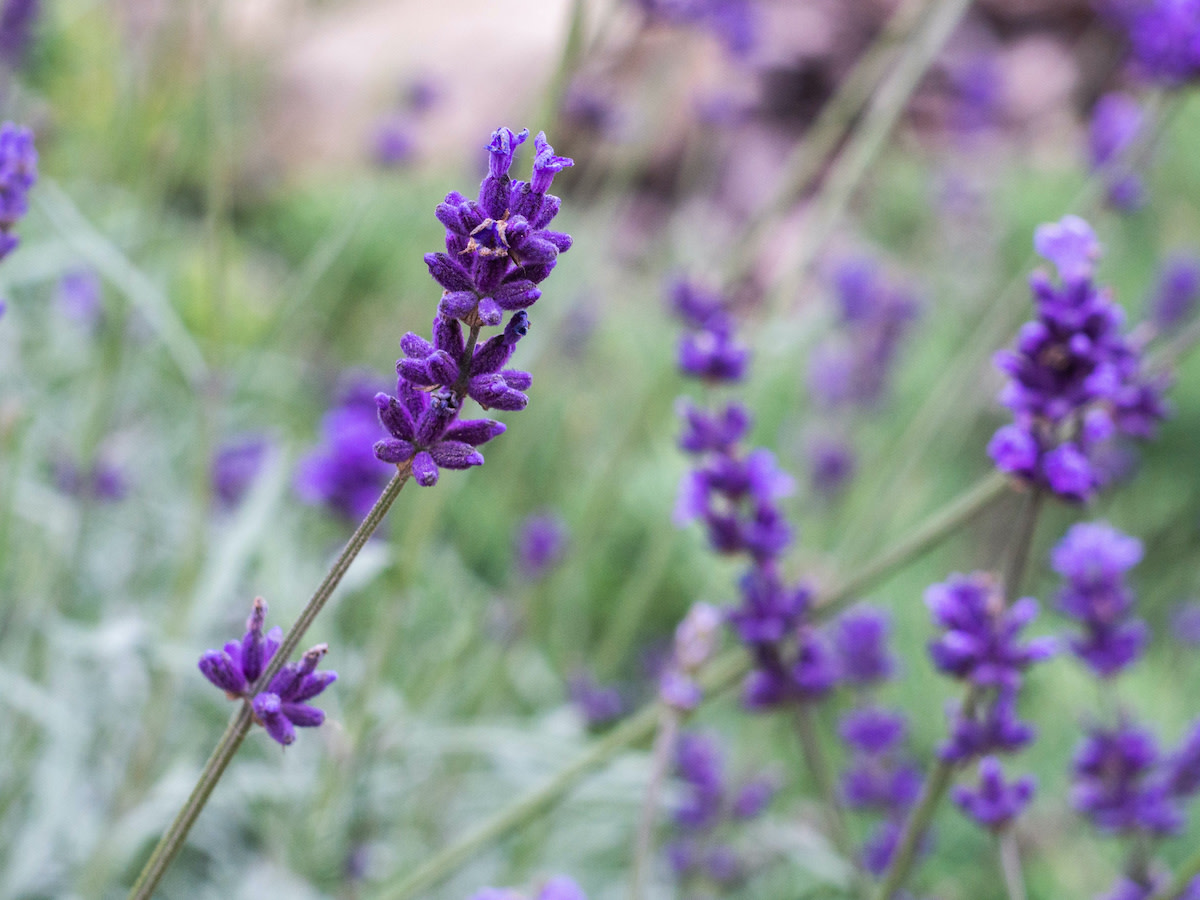
Spanish lavender (Lavandula stoechas) is a fragrant flowering plant with gray-green leaves and dark purple flower heads. Also known as French lavender, Spanish lavender plants grow in evergreen mounds and attract pollinators during the blooming season from mid-spring to late summer. The flowers on Spanish lavender plants include bracts that resemble rabbit ears. Spanish lavender flowers can be distilled into essential oil.
Native to Mediterranean countries like Spain and Portugal, Spanish lavender plants thrive in dry, warm climates. In the US, most Spanish lavender cultivars do best in USDA hardiness zones seven through nine. Some cultivars are bred to have a pink or white flower color.
Best Places to Plant Spanish Lavender
There are a few factors to consider when deciding where to plant Spanish lavender.
- Full sun: Unlike English lavender (Lavandula angustifolia), Spanish lavender is fairly drought-tolerant. Plant Spanish lavender in a location that receives plenty of bright sunlight. Consider planting your Spanish lavender next to a concrete pathway for additional heat.
- Good air circulation: Spanish lavender needs good air circulation to survive and bloom properly. Avoid planting Spanish lavender near walls or large foliage.
- Well-draining soil: Consider planting your Spanish lavender in a raised bed for better drainage. Spanish lavender is a good choice for gardens with alkaline soil and rock gardens with good drainage.
How to Care for Spanish Lavender Plants
Consider these general tips when caring for your Spanish lavender plants.
- 1. Add gravel mulch around your plant. To prevent weeds from sprouting up, consider adding a layer of gravel mulch around the base of your Spanish lavender plants. Leave a few inches of space between the base of the plant and the mulch to avoid crowing the plant.
- 2. Prune your plant annually. Cut flower spikes after their initial bloom in the late spring to encourage a rebloom in the late summer. Avoid pruning after the growing season ends in the fall to keep the plant protected throughout the winter.
- 3. Water your plant regularly. If it's your Spanish lavender’s first growing season, water it weekly to help it establish a strong root system. During subsequent growing seasons, you can reduce waterings to every two to three weeks.
- 4. Consider potting your plant. Spanish lavender plants thrive in pots and containers. If you live in a region that receives ample rainfall and want more control over soil drainage, consider placing your Spanish lavender in a pot.
Learn More
Grow your own garden with Ron Finley, the self-described "Gangster Gardener." Get the MasterClass Annual Membership and learn how to cultivate fresh herbs and vegetables, keep your house plants alive, and use compost to make your community—and the world—a better place.


Home & Lifestyle
How to Train Your Dog Not to Run Away in 8 Steps
Nov 22, 2022

Home & Lifestyle
How to Grow Sage in Your Home Garden
Jun 7, 2021

Home & Lifestyle
Brandon McMillan’s 10 Tips to Prevent Your Dog From Door Dashing
Dec 10, 2021

Home & Lifestyle
How to Grow Kohlrabi in Your Backyard Garden
Jun 7, 2021

Home & Lifestyle
Hummingbird Sage: How to Care for Hummingbird Sage Plants
Jan 4, 2022

Home & Lifestyle
DIY Bookcase Tutorial: How to Build Your Own Bookcase
Aug 19, 2021
Other articles
Claude Debussy: A Guide to Claude Debussy’s Life and Music
Jun 25, 2021
How to Play Basketball: Explore the Basics of Basketball
Jun 7, 2021
How to Write a Horror Story in 7 Steps
Dec 8, 2021
Daniel Pink’s ABC’s of Selling: Inside the 3 Key Sales Qualities
Dec 10, 2021
Wine 101: What Is Barrel Aging? Understanding the Barrel Aging Process in Winemaking and the Difference Between Steel and Oak Barrels
Sep 2, 2022
Heavy Metal Music Guide: A Dive Into Heavy Metal Music
Jul 15, 2021