The Difference Between Waterproof and Water-Resistant Fabric
Written by MasterClass
Last updated: May 27, 2022 • 2 min read
Waterproof and water-resistant items have various levels of moisture-repellent capabilities. Read on to learn the differences between these similar terms.

Learn From the Best
What Does Waterproof Mean?
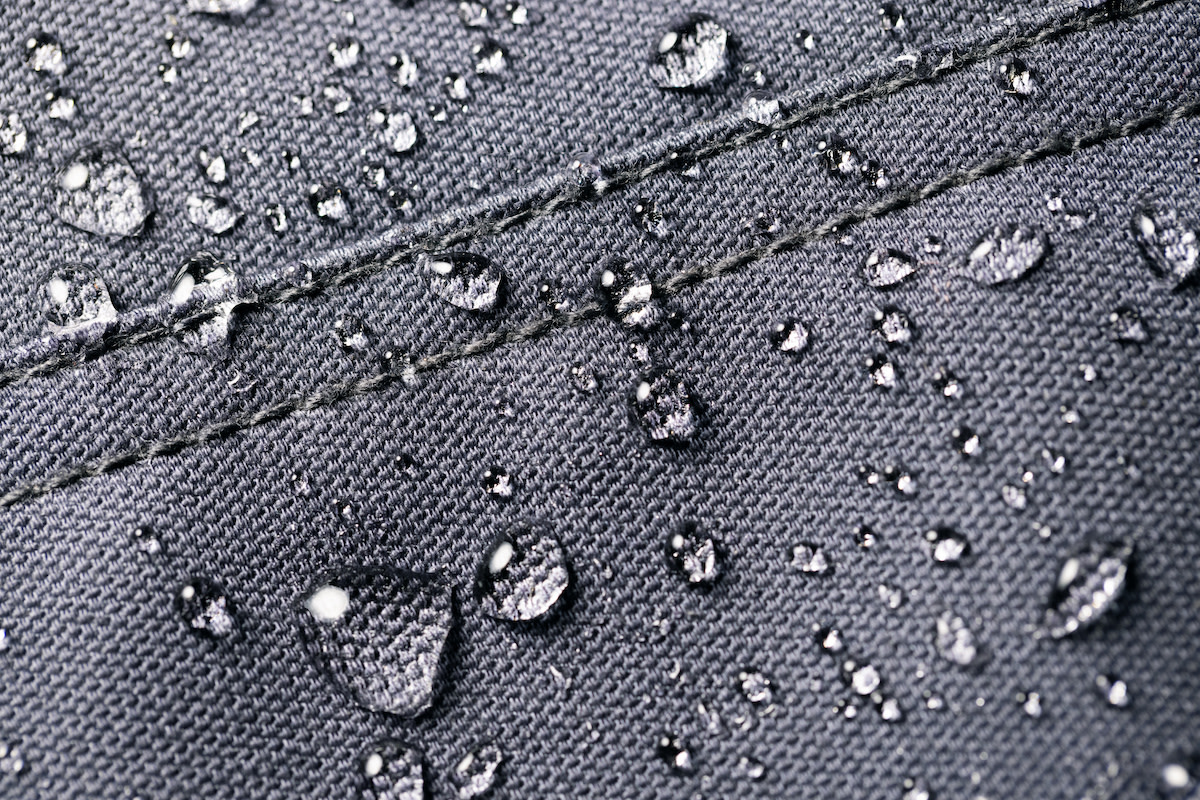
Waterproof means that something is impervious to water; however, the meaning becomes less straightforward when you consider waterproof material. Most waterproof fabric or waterproof garments are highly water-resistant and will bead, but they are not genuinely one hundred percent waterproof.
Tight stitching, synthetic fibers, and polyurethane coatings enable waterproof jackets and backpacks to repel water while also remaining breathable and flexible for the wearer.
What Does Water-Resistant Mean?
Water-resistant material will repel light amounts of moisture, but it cannot match the beading efficiency of waterproof products. Water-resistant fabric is typically more lightweight and breathable than waterproof alternatives, so it might be a preferable choice for athletes or outdoor enthusiasts.
A water-resistant jacket will likely hold up to light rain or minor splashes, but a downpour will quickly soak through this layer of outerwear.
What Is the Difference Between Waterproof and Water-Resistant Fabric?
Consider these significant areas of difference when comparing waterproof vs. water-resistant materials to better understand their strengths in the field:
- Breathability: Waterproof products will trap body heat and sweat, making them less breathable than water-resistant fabrics.
- Level of protection: Water-resistant materials have less ingress protection (or lower IP ratings) than waterproof products, meaning it’s easier for liquids or solid particles to permeate water-resistant materials. This makes water-resistant materials more susceptible than waterproof materials to water damage. Manufacturers can also test a product’s waterproof capabilities by finding its hydrostatic head, a measurement of how resistant fabric is to a vertical column of water—in other words, the maximum height the water column can reach before the liquid begins to flow through the textile. Waterproof fabric will generally have a higher hydrostatic head than water-resistant fabric.
- Seams: Waterproof clothing is more likely than water-resistant clothing to have noticeable taping or welding at the seams and often some layer of protection underneath zippers. These extra reinforcements protect the weak points where water could otherwise seep into the garment.
What Is Water-Repellent?
Water-repellent fabrics will perform nearly as well as water-resistant fabrics in beading water. Apply a durable water repellent (DWR) or a DWR coating to clothing or footwear to improve the water protection of these items.
Ready to Explore More of the Great Outdoors?
Prepare for any outdoor journey by grabbing a MasterClass Annual Membership and committing Jessie Krebs’s wilderness survival course to memory. As a former United States Air Force Survival, Evasion, Resistance, and Escape instructor, Jessie can teach you everything you need to know about packing for a trip (neon is the new black), purifying water, foraging (crickets: the other white meat), starting a fire, and signaling for help (forget SOS).


Polyamide Fabric: Using Nylon and Synthetics While Camping
Apr 6, 2022

Unplanned Bivy Explained: What Is a Bivy Shelter?
Jun 1, 2022

Natural vs. Synthetic Fibers: What’s the Difference?
Oct 31, 2019

What Is Canvas? Understanding How Canvas Is Made and the Difference Between Canvas and Duck
May 17, 2019

Rayon Fabric Guide: Explore the Look and Feel of Rayon
Aug 12, 2020

Fabric Guide: What Is Merino Wool?
Nov 6, 2019
Other articles
Mock Neck vs. Turtleneck: What’s the Difference?
Apr 8, 2022
How to Sew Stretchy Fabric: Types of Stretch Fabrics
Apr 7, 2022
Homemade Mosquito Repellent: How to Make Natural Repellent
Jun 4, 2021
What Is Lambswool? Learn the Difference Between Lambswool and Merino Wool
Oct 1, 2019
How to Remove Waterproof Eyeliner: Tips and Techniques
Mar 30, 2022
Seamstress vs. Tailor: How the Roles Compare
Jun 7, 2022