Neo-Expressionism: History, Characteristics, and Artworks
Written by MasterClass
Last updated: Aug 31, 2021 • 2 min read
Neo-Expressionism was conceived as a pushback against the intellectual, minimalist art popular in the 1970s. To move forward, Neo-Expressionists looked backward, to the experimental art of Expressionism.

Learn From the Best
What Is Neo-Expressionism?
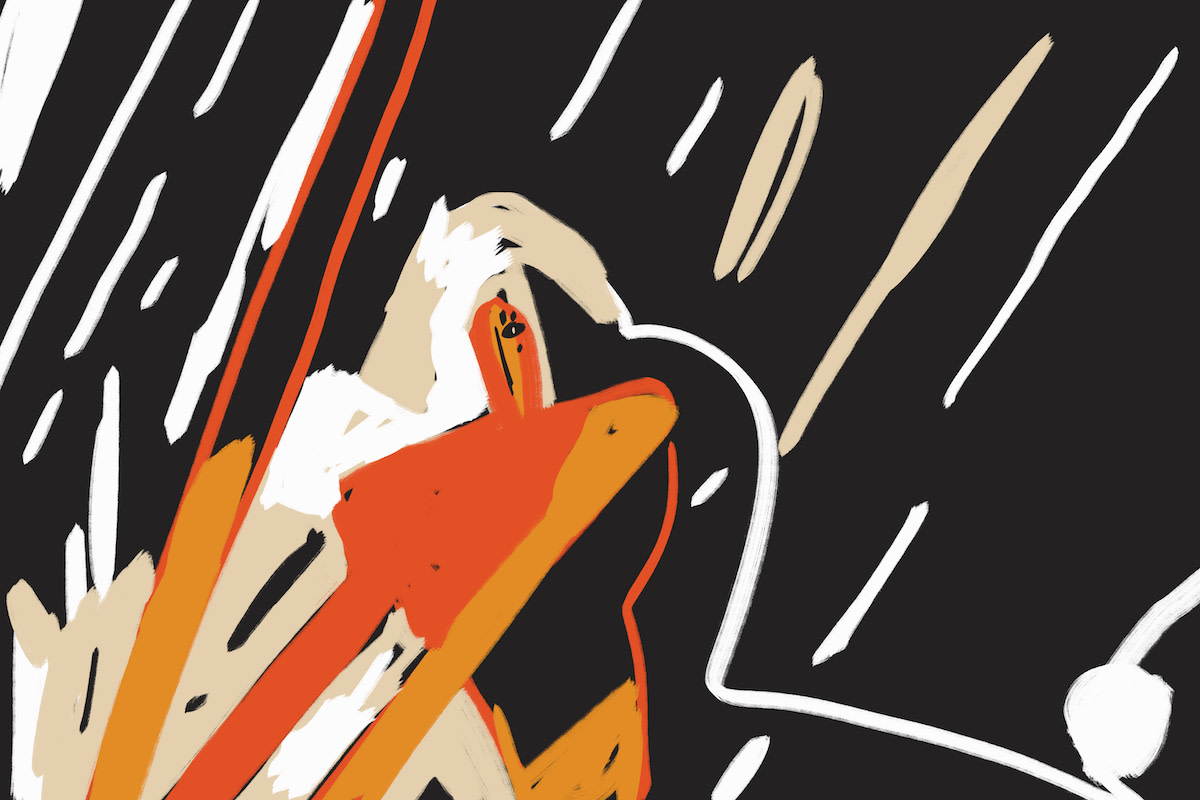
Neo-Expressionism is a contemporary art movement that dominated the art world during the late 1970s and 1980s. Heavily influenced by German Expressionism and Abstract Expressionism, Neo-Expressionism was characterized by raw, expressive brushstrokes and a rejection of traditional composition.
Known as Neue Wilden (New Fauves) in Germany, Transavanguardia (Transavantgarde) in Italy, and Figuration Libre in France, Neo-Expressionism is considered the last major international movement in Modern art.
A Brief History of Neo-Expressionism
The Neo-Expressionist movement began with German-born artist Georg Baselitz's first solo exhibition in Berlin in 1963. Baselitz’s paintings of distorted human figures were so shocking that they were confiscated by the police. By the early 1980s, Neo-Expressionism dominated the art market, in part due to the media frenzy that surrounded its artists, such as Jean-Michel Basquiat and David Salle of New York and Sandro Chia and Enzo Cucchi of Italy.
3 Characteristics of Neo-Expressionism
Neo-Expressionist painters distanced themselves from the standards of composition and design defined by minimalism and conceptual art. Some defining characteristics of Neo-Expressionism include:
- 1. Bold color. Neo-expressionists were known for their jarring colors and implementation of motifs drawn from Pop Art, German Expressionism, Surrealism, Cubism, and Fauvism.
- 2. Expressive brushwork. The Neo-Expressionist movement was composed of young artists who were interested in large-scale works, expressive brushwork, and figurative subject matter.
- 3. Historical references. Neo-Expressionists incorporated historical and mythological imagery within their paintings. Because of this, some scholars in the art world believe that Neo-Expressionism was a catalyst for the transition from Modernism to Postmodernism, shaping contemporary art as we know it today.
4 Famous Neo-Expressionist Artworks
Under the umbrella of Neo-Expressionist art, a multiplicity of individual styles emerged. The best way to understand the breadth of Neo-Expressionism is to consider individual paintings.
- 1. Adieu by Georg Baselitz (1982): This work features a bright yellow checkered background and two upside-down figures. Baselitz began exploring upside-down figures in the late 1960s and continued the motif for years. In Adieu, Baselitz moved the figures farther and farther apart as he worked.
- 2. The Student of Prague by Julian Schnabel (1983): Applying heavy layers of pigment over broken plates and horns glued to a wood panel, Schnabel combined elements of the everyday with grandiosity in this piece.
- 3. Margarethe by Anselm Kiefer (1981): Inspired by the work of Romanian poet Paul Celan’s, which recounts his harrowing experience in a Nazi concentration camp, this piece inspires viewers to reflect on the tragedy of the Holocaust. Kiefer’s use of straw as a material in this painting is representative of the pliable and fragile nature of life.
- 4. Alba by Francesco Clemente (1997): This portrait of the artist’s wife, Alba, places the subject in a distorted reclining position. Her pose feels untethered from reality, placing Alba in a liminal space and questioning the illusion of beauty.
Ready to Tap Into Your Artistic Abilities?
Grab the MasterClass Annual Membership and plumb the depths of your creativity with the help of modern artist Jeff Koons, abstract artist Futura, and stage designer Es Devlin. Our exclusive video lessons will teach you to do things like utilize color and scale, explore the beauty in everyday objects, and so much more.


Arts & Entertainment
How to Outline a Screenplay in 6 Steps: Guide to Script Outlining
Dec 8, 2021

Arts & Entertainment
Dark Blue Color Meaning: Pros, Cons of Dark Blue in Design
Aug 5, 2022

Arts & Entertainment
How to Be Creative: Activities That Boost Creative Thinking
Aug 5, 2022

Arts & Entertainment
Guide to Precisionism: 10 Notable Precisionist Artists
Jul 15, 2021

Arts & Entertainment
Guide to Impressionism: History, Characteristics, and Artists
Sep 13, 2021

Arts & Entertainment
Film 101: Understanding Film Lighting
Aug 23, 2021
Other articles
Claude Debussy: A Guide to Claude Debussy’s Life and Music
Jun 25, 2021
How to Play Basketball: Explore the Basics of Basketball
Jun 7, 2021
How to Write a Horror Story in 7 Steps
Dec 8, 2021
Daniel Pink’s ABC’s of Selling: Inside the 3 Key Sales Qualities
Dec 10, 2021
Wine 101: What Is Barrel Aging? Understanding the Barrel Aging Process in Winemaking and the Difference Between Steel and Oak Barrels
Sep 2, 2022
Heavy Metal Music Guide: A Dive Into Heavy Metal Music
Jul 15, 2021