Yamaimo: 3 Common Ways to Enjoy Japanese Mountain Yam
Written by MasterClass
Last updated: Jun 7, 2021 • 1 min read
In Japan’s Edo Period, yamaimo was known as “the mountain eel” and considered an aphrodisiac. These days, it’s just the humble Japanese mountain yam—but its culinary tricks are still swoon-worthy.

Learn From the Best
What Is Yamaimo?
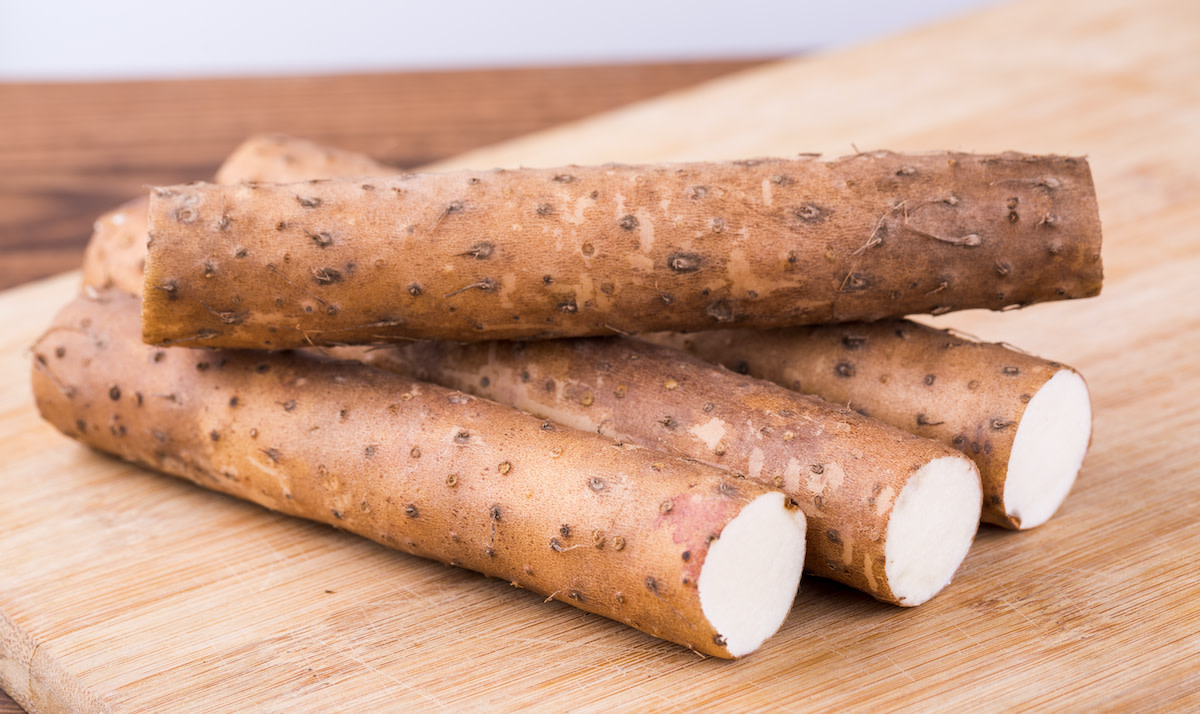
Yamaimo, or Japanese mountain yam, is a cultivar of yam from the Dioscoreaceae family. These long, slender yams, recognizable by their dark brown skin, are among the few edible tubers that can be consumed raw—both cassava and taro must be boiled before consumption.
What Does Yamaimo Taste Like?
Yamaimo has a lightly sweet flavor similar to jicama. When grated, yamaimo takes on a sticky, slimy texture, which you can use as a binding agent, serve as a standalone side dish, or a topping for crudité-style salads, soups, noodle dishes, and stir-fries.
That pasty, pulpy stickiness is yamaimo’s calling card; grated nagaimo, or Chinese yam—a close relative also from the Dioscoreaceae family often mistaken for or sold as yamaimo in Asian grocery stores—has a looser, more watery consistency and milder flavor.
3 Common Ways to Enjoy Yamaimo
The beauty of this slippery vegetable is in its versatility: Enjoy yamaimo raw, grated, and sliced, or give it a quick pan-fry for a salty, satisfying snack or appetizer.
- 1. Grated: In Japan, grated yamaimo, called tororo, is widely eaten as a porridge with dashi and sliced green onions. Still, it’s also the secret ingredient for fluffy okonomiyaki (savory Japanese pancake) and karukan, a spongy, cake-like confection from Kyushu. The starch helps bind the batter’s components but is light and silky enough not to turn soggy or heavy when cooked or steamed. Tororo is also a common addition to udon or soba noodles (tororo soba), miso soup, or a garnish on a serving of natto—sticky fermented soybeans.
- 2. Pan-fried or sautéed: Like sweet potato and other similar root vegetables, slices of yamaimo turn soft and creamy when pan-fried in a bit of olive oil to a crisp, golden brown and garnish with shredded nori.
- 3. Raw: Yamaimo is commonly peeled and sliced or julienned into thin strips, and either added to a salad or consumed on its own, seasoned with shōyu (soy sauce) or ponzu.
Want to Learn More About Cooking?
Become a better chef with the MasterClass Annual Membership. Gain access to exclusive video lessons taught by the world’s best, including Niki Nakayama, Gabriela Cámara, Chef Thomas Keller, Yotam Ottolenghi, Dominique Ansel, Gordon Ramsay, Alice Waters, and more.


Food
Wine 101: What Is Barrel Aging? Understanding the Barrel Aging Process in Winemaking and the Difference Between Steel and Oak Barrels
Sep 2, 2022

Food
Simple Syrup Recipe: How to Make Simple Syrup for Cocktails
Sep 6, 2026
Food
Almond Meal vs. Almond Flour: What’s the Difference?
Sep 7, 2021

Food
What Is DOC and DOCG Wine? Differences Between DOC, DOCG, IGT, and VdT on Italian Wine Labels
Aug 10, 2021
Food
How to Cut Shiitake Mushrooms
Mar 25, 2022
Food
How to Sharpen a Serrated Knife: Method and Tips
Jan 4, 2022
Other articles
Claude Debussy: A Guide to Claude Debussy’s Life and Music
Jun 25, 2021
How to Play Basketball: Explore the Basics of Basketball
Jun 7, 2021
How to Write a Horror Story in 7 Steps
Dec 8, 2021
Daniel Pink’s ABC’s of Selling: Inside the 3 Key Sales Qualities
Dec 10, 2021
Heavy Metal Music Guide: A Dive Into Heavy Metal Music
Jul 15, 2021
Learn the Difference Between Phrases and Clauses
Aug 11, 2021