Learn the Difference Between Canola Oil and Vegetable Oil
Written by MasterClass
Last updated: Aug 9, 2021 • 3 min read
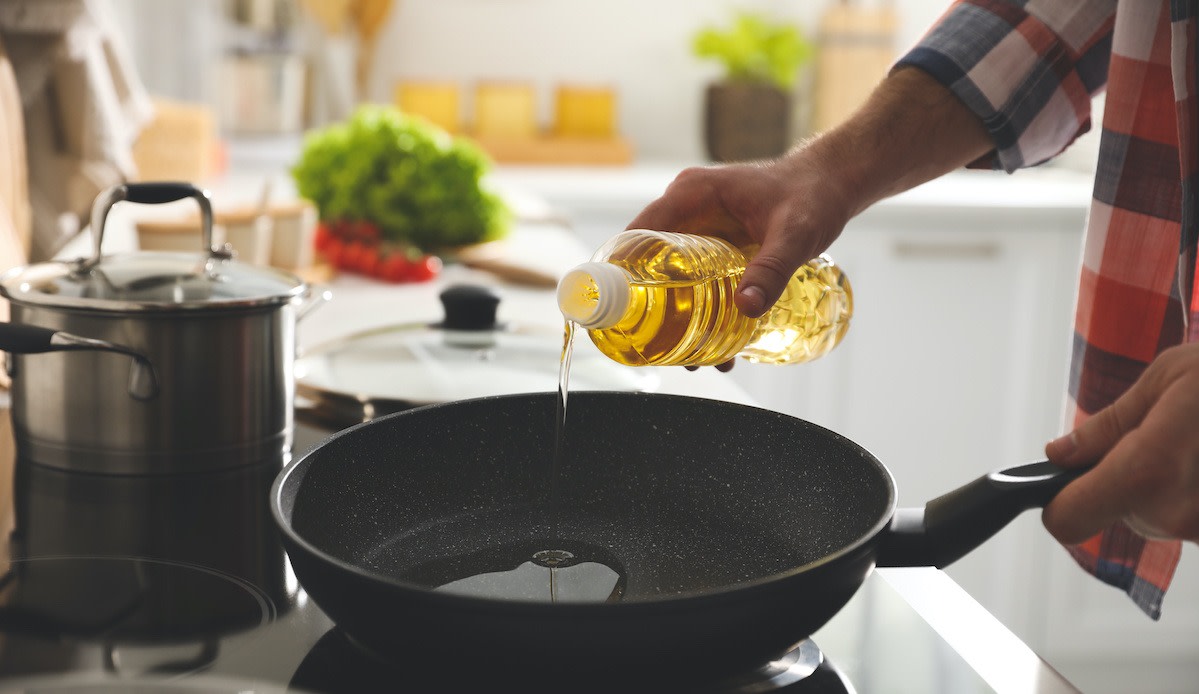
Canola oil and vegetable oil are two types of oils used for high-heat cooking that keep food moist without altering its flavor. Read on to learn more about the differences and similarities between canola oil and vegetable oil.

Learn From the Best
What Is Canola Oil?
Canola oil is a type of vegetable oil that is processed from canola seeds for culinary use. The canola plant is a crossbred plant from the rapeseed plant (a relative of cabbage) that yields a relatively low-fat oil that is also low in erucic acid. Canola is rich in omega-3 and omega-6 fatty acids, and most similar to corn oil in its calories, fat, sugar, carbohydrate, and cholesterol content. Canola oil has a high smoke point, meaning that it can be heated to a very high temperature before it begins to smoke and give the food a burnt, unpleasant flavor.
What Is Vegetable Oil?
Vegetable oil is a generic term for any processed oil that is derived from plant sources that stays liquid at room temperature, making it different from solid types of fats used for cooking like shortening. A bottle labeled “vegetable oil” can contain soybean oil, canola oil, corn oil, safflower oil, sunflower oil, or a blend of several vegetable oils. Avocado oil, coconut oil, and palm oil are also all considered vegetable oils. Vegetable oils have neutral tastes and high smoking points, making them perfect for a variety of cooking methods like frying, baking, and sautéing.
5 Uses for Vegetable Oil
With their neutral flavors and flexibility, vegetable oils (including canola oil) have a wide variety of uses that make them a useful ingredient for different types of cooking:
- 1. Deep frying: Vegetable oils are a good choice for deep frying a variety of foods. The oil can withstand high heat for long periods of time before it begins to smoke and give a food an acrid, unpleasant taste.
- 2. Sauteing: Sautéing involves the transfer of heat from the pan to the food, usually lubricated by a thin coating of oil that both prevents food from sticking to the pan and aids in the conduction of heat, browning the surface of meat or vegetables. You can use vegetable oil to quickly, thoroughly sauté ingredients for stir-fries. Aside from stir-frying, you can use vegetable oils for most pan-frying or stovetop cooking.
- 3. Baking: You can use most types of vegetable oil for baking. The light flavor of vegetable oil makes it suitable for pancakes, pastries, and other desserts, while the fat keeps your baked goods moist.
- 4. Grilling: The high smoke points of canola and vegetable oil make them a suitable choice for grilling foods over a flame without burning or drying them out.
- 5. Salad dressings: If you’ve run out of extra virgin olive oil, you can use canola oil or vegetable oil to mix with your salad dressing base.
Canola Oil vs. Vegetable Oil: What Are the Differences?
While all canola oil is considered vegetable oil, not all vegetable oil is canola oil. Canola and vegetable oils have high smoke points; canola oil smokes at 400 degrees Fahrenheit and most vegetable oils smoke at 450 degrees Fahrenheit. This makes both oils suitable for high-heat cooking. The main difference between the two oils is the saturated fat content. Canola oil has a higher ratio of monounsaturated fat (a potentially heart-healthy fat) to saturated fat than many vegetable oils.
Can You Substitute Canola and Vegetable Oil?
Canola oil is a type of vegetable oil, and both can be used interchangeably. They both have high smoke points and neutral flavors. You can almost always substitute canola oil for vegetable oil and vice versa, though some may opt for the potentially lower fat content of canola oil.
Want to Learn More About Cooking?
Become a better chef with the MasterClass Annual Membership. Gain access to exclusive video lessons taught by the world’s best, including Gordon Ramsay, Gabriela Cámara, Chef Thomas Keller, Dominique Ansel, Yotam Ottolenghi, Alice Waters, and more.

Food
Wine 101: What Is Barrel Aging? Understanding the Barrel Aging Process in Winemaking and the Difference Between Steel and Oak Barrels
Sep 2, 2022

Food
Simple Syrup Recipe: How to Make Simple Syrup for Cocktails
Sep 6, 2026
Food
Almond Meal vs. Almond Flour: What’s the Difference?
Sep 7, 2021
Food
What Is DOC and DOCG Wine? Differences Between DOC, DOCG, IGT, and VdT on Italian Wine Labels
Aug 10, 2021
Food
How to Cut Shiitake Mushrooms
Mar 25, 2022
Food
How to Sharpen a Serrated Knife: Method and Tips
Jan 4, 2022
Other articles
Claude Debussy: A Guide to Claude Debussy’s Life and Music
Jun 25, 2021
How to Play Basketball: Explore the Basics of Basketball
Jun 7, 2021
How to Write a Horror Story in 7 Steps
Dec 8, 2021
Daniel Pink’s ABC’s of Selling: Inside the 3 Key Sales Qualities
Dec 10, 2021
Heavy Metal Music Guide: A Dive Into Heavy Metal Music
Jul 15, 2021
Learn the Difference Between Phrases and Clauses
Aug 11, 2021