A Guide to Sautéing: How to Master the Sauté Cooking Technique
Written by MasterClass
Last updated: Aug 11, 2021 • 3 min read
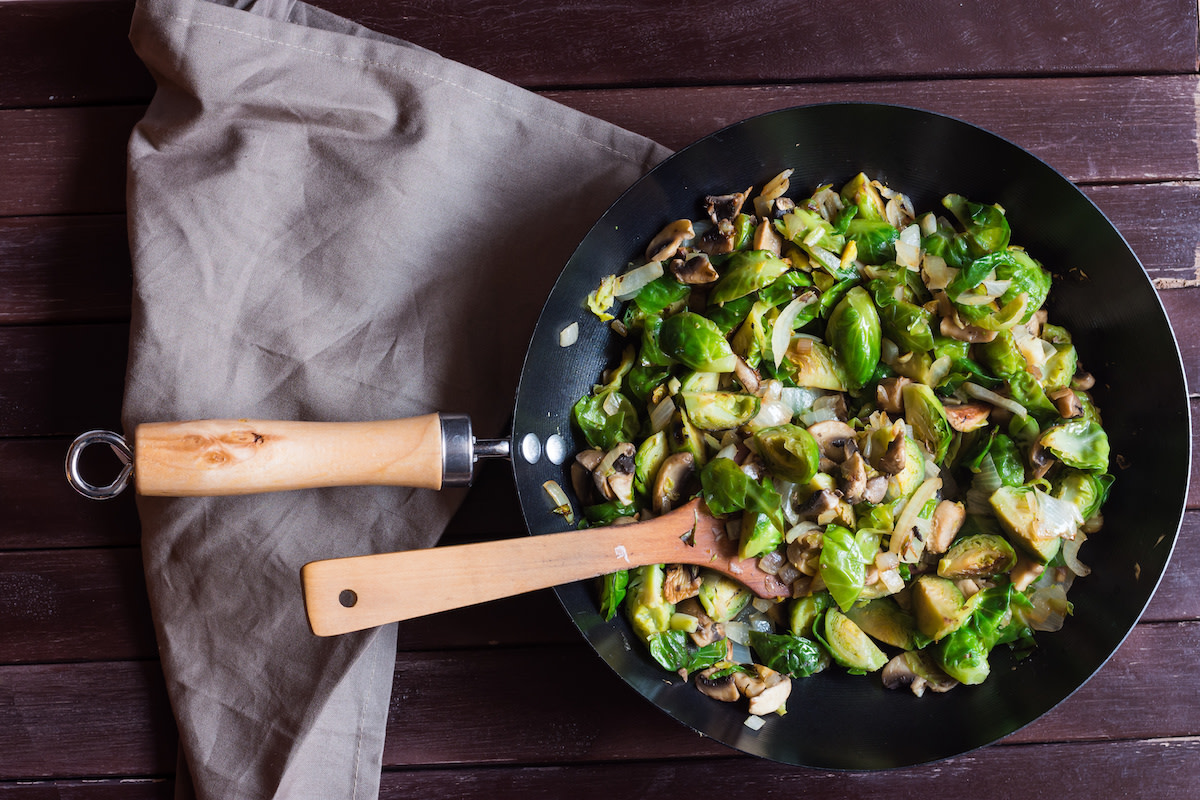
One of the most popular cooking techniques, sautéing is quick, easy, and produces a crisp, brown crust on meat and vegetables.

Learn From the Best
What Is Sautéing?
The definition of sauté is to fry food in a small amount of fat. Sautéing involves the transfer of heat from pan to food, usually lubricated by a thin coating of oil that both prevents food from sticking to the pan and aids in the conduction of heat, browning the surface of meat or vegetables.
What Does Sautéing Mean?
The English term sauté comes from the French word for “jumped”—a derivative of the Latin saltare, which also means "jump"—likely because the high-heat method causes moisture to evaporate, creating a sizzle when food hits the pan.
What's the Difference Between Sautéing and Frying?
Frying is a blanket term that includes sautéing, but also deep-frying and shallow-frying, methods that use a lot more oil than sautéing; oven-frying, aka baking with oil; and stir-frying, which involves higher heat and a wok. Sautéing usually happens in a skillet or sauté pan on the stovetop, and involves heating the smallest amount of oil possible over medium-high heat.
When Should You Sauté?
Sautéing is a quick, high-heat method ideal for foods that only need brief cooking, such as tender vegetables, steaks, and chicken breast. Sautéing is also useful for browning aromatics before making a soup or stew, and meats before or after a braise.
Watch Chef Thomas Keller demonstrate how to sauté red-wine braised short ribs right before finishing the dish below. Get the full recipe here.
How to Choose the Right Pan for Sautéing
Chef Thomas Keller recommends using high-quality cookware that conducts heat evenly and recovers its heat quickly when sautéing. Choose a skillet (sloped sides) or sauté pan (straight sides) big enough to fit all of your food in a single layer—sautéing works by putting food in direct contact with a hot pan, so if your pan is overcrowded, it won’t work. A heavy-bottomed pan will help distribute heat evenly. Stainless steel sauté pans, aluminum fry pans, and cast-iron skillets are all good options with their own pros and cons.
Cast-Iron vs. Nonstick: Pros and Cons of Sauté Pans
- 1. A sauté pan is a deep pan with sides angled 90° from its base, maximizing surface area and minimizing splatter. Ideal for sautéing a larger amount of food, sauté pans are often made of stainless steel.
- 2. Cast-iron skillets take a while to heat up, but once they get hot, they stay hot, which makes them a great choice for searing a steak.
- 3. Nonstick pans aren’t ideal for browning, but they’re useful for sautéing particularly delicate food, like fish.
How to Prep Food for Sautéing
Since sautéing relies on very quick cooking, it’s important to cut food into small, thin, uniform pieces, and to bring meat and vegetables to room temperature for more even cooking. Make sure your pieces of meat and vegetables are as dry as possible when you start—sautéing is a dry cooking method, so you don’t want extra moisture steaming your food.
The Best Fats for Sautéing
Choose fats with higher smoke points, such as ghee, rendered fat, or refined vegetable oils. Chef Keller sautées with high smoke point canola oil and finishes with olive oil for flavor, while Gordon Ramsay likes to use excess duck fat to sauté vegetables, such as mushrooms.
4 Tips for Sautéing
- Make sure your pan is hot enough to brown meat or vegetables by splashing a drop of water into the pan—if it sizzles and turns to steam immediately, it’s ready.
- Use a only a little fat for sautéing—just enough to lubricate the pan. If the pan seems dry during cooking, add a little more oil. If there’s enough oil that a significant amount pools up around the sides when you tilt the pan, pour some out.
- To achieve a brown crust, avoid stirring food too much. Flip food just as many times as needed to brown all sides.
- Do not overcrowd the pan, which will both trap steam and prevent food from browning.
Deglazing
Deglazing involves adding a liquid—typically wine or stock—to a hot pan to remove the frond, or brown bits, from the bottom of the pan after sautéing. The frond can then be mixed into a flavorful pan sauce or gravy.
Learn more culinary skills from Chef Keller in his MasterClass on cooking techniques.


Food
New England Clam Chowder: 4 Tips for Making Chowder
Oct 23, 2026
Food
Wine 101: What Is Barrel Aging? Understanding the Barrel Aging Process in Winemaking and the Difference Between Steel and Oak Barrels
Sep 2, 2022

Food
Simple Syrup Recipe: How to Make Simple Syrup for Cocktails
Oct 20, 2026
Food
Almond Meal vs. Almond Flour: What’s the Difference?
Sep 7, 2021
Food
What Is DOC and DOCG Wine? Differences Between DOC, DOCG, IGT, and VdT on Italian Wine Labels
Aug 10, 2021
Food
How to Cut Shiitake Mushrooms
Mar 25, 2022
Other articles
Claude Debussy: A Guide to Claude Debussy’s Life and Music
Jun 25, 2021
How to Play Basketball: Explore the Basics of Basketball
Jun 7, 2021
How to Write a Horror Story in 7 Steps
Dec 8, 2021
Daniel Pink’s ABC’s of Selling: Inside the 3 Key Sales Qualities
Dec 10, 2021
Heavy Metal Music Guide: A Dive Into Heavy Metal Music
Jul 15, 2021
Learn the Difference Between Phrases and Clauses
Aug 11, 2021