How to Prepare Nagaimo: 4 Ways to Eat Chinese Yam
Written by MasterClass
Last updated: Jun 7, 2021 • 2 min read
Nagaimo is the unassuming shapeshifter of the yam world.

Learn From the Best
What Is Nagaimo?
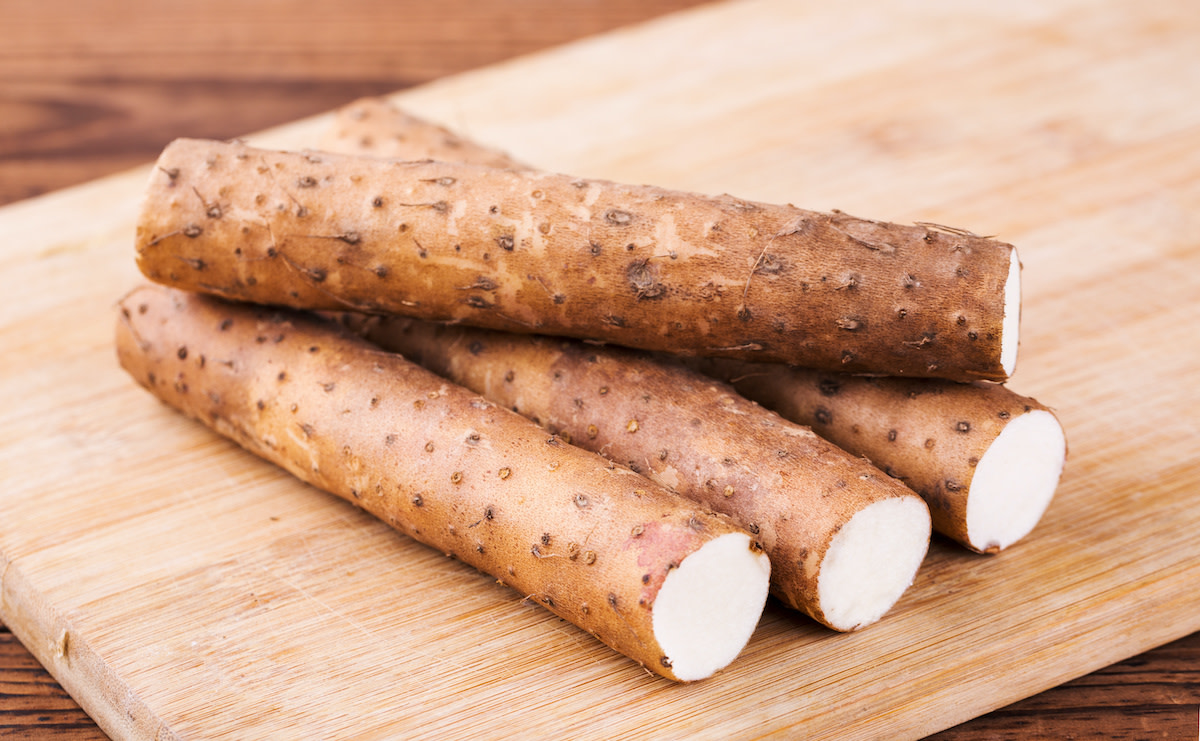
Nagaimo (Dioscorea japonica) is a cultivar of yam native to East Asia, also known as Chinese yam, Korean yam, Japanese mountain yam, or yamaimo. These long, slender yams are recognizable by their pale yellow skin and fine, white hairs. Raw nagaimo has a mild, sweet flavor and slimy texture, similar to okra. You can use nagaimo as a topping, garnish, or thickener in salads, soups, noodle dishes, and stir-fries.
4 Ways to Eat Nagaimo
Nagaimo can be incorporated into many Japanese recipes, enjoyed as-is, or add a unique texture to soups, stews, and temaki sushi handrolls.
- 1. As an appetizer or side dish: Nagaimo salad is a simple presentation of raw slices of yam dressed with shōyu (soy sauce) and assorted garnishes such as katsuobushi (dried bonito flakes), shredded nori, and shiso leaves.
- 2. As a topping: Pulpy, grated nagaimo, also known as tororo, is a popular addition to noodle dishes like ramen, udon or tororo soba (nagaimo served over buckwheat soba noodles). The yam is also an excellent topping for rice dishes like tororo gohan, grated nagaimo over steamed rice, served with a raw egg and drizzled with soy sauce.
- 3. As a thickener: The starchy stickiness of grated nagaimo is ideal for foods like okonomiyaki, cabbage and egg-based savory pancake eaten all over Japan. Adding a bit of tororo to the wheat flour batter gives the pancake a light, fluffy texture.
- 4. In stir-fries: Pan-frying slices of nagaimo turn their flesh creamy and sweet, and their mild flavor makes them an easy complement to other bolder components in a stir-fry.
How to Prepare Nagaimo
You can typically find whole nagaimo in Asian grocery stores. Unlike other tubers, like taro or cassava, which must be cooked before consuming, nagaimo can be prepared both raw and cooked with one caveat: Raw nagaimo can irritate the skin, so throw on a pair of gloves before handling.
To prepare, first, peel the outer skin using a vegetable peeler. Then, slice it into bite-sized pieces or matchsticks to eat raw with a bit of dressing or seasoning, or pan-fry until golden brown and crisp. Alternatively, you can also grate nagaimo with a microplane or box grater (carefully, since the exposed flesh is slippery) to use as a condiment, topping, or base for a loose fritter.
Want to Learn More About Cooking?
Become a better chef with the MasterClass Annual Membership. Gain access to exclusive video lessons taught by the world’s best, including Niki Nakayama, Gabriela Cámara, Chef Thomas Keller, Yotam Ottolenghi, Dominique Ansel, Gordon Ramsay, Alice Waters, and more.


Food
Wine 101: What Is Barrel Aging? Understanding the Barrel Aging Process in Winemaking and the Difference Between Steel and Oak Barrels
Sep 2, 2022

Food
Simple Syrup Recipe: How to Make Simple Syrup for Cocktails
Sep 6, 2026
Food
Almond Meal vs. Almond Flour: What’s the Difference?
Sep 7, 2021

Food
What Is DOC and DOCG Wine? Differences Between DOC, DOCG, IGT, and VdT on Italian Wine Labels
Aug 10, 2021
Food
How to Cut Shiitake Mushrooms
Mar 25, 2022
Food
How to Sharpen a Serrated Knife: Method and Tips
Jan 4, 2022
Other articles
Claude Debussy: A Guide to Claude Debussy’s Life and Music
Jun 25, 2021
How to Play Basketball: Explore the Basics of Basketball
Jun 7, 2021
How to Write a Horror Story in 7 Steps
Dec 8, 2021
Daniel Pink’s ABC’s of Selling: Inside the 3 Key Sales Qualities
Dec 10, 2021
Heavy Metal Music Guide: A Dive Into Heavy Metal Music
Jul 15, 2021
Learn the Difference Between Phrases and Clauses
Aug 11, 2021