Pickled Green Beans Recipe: How to Make Pickled Green Beans
Written by MasterClass
Last updated: Aug 16, 2026 • 3 min read
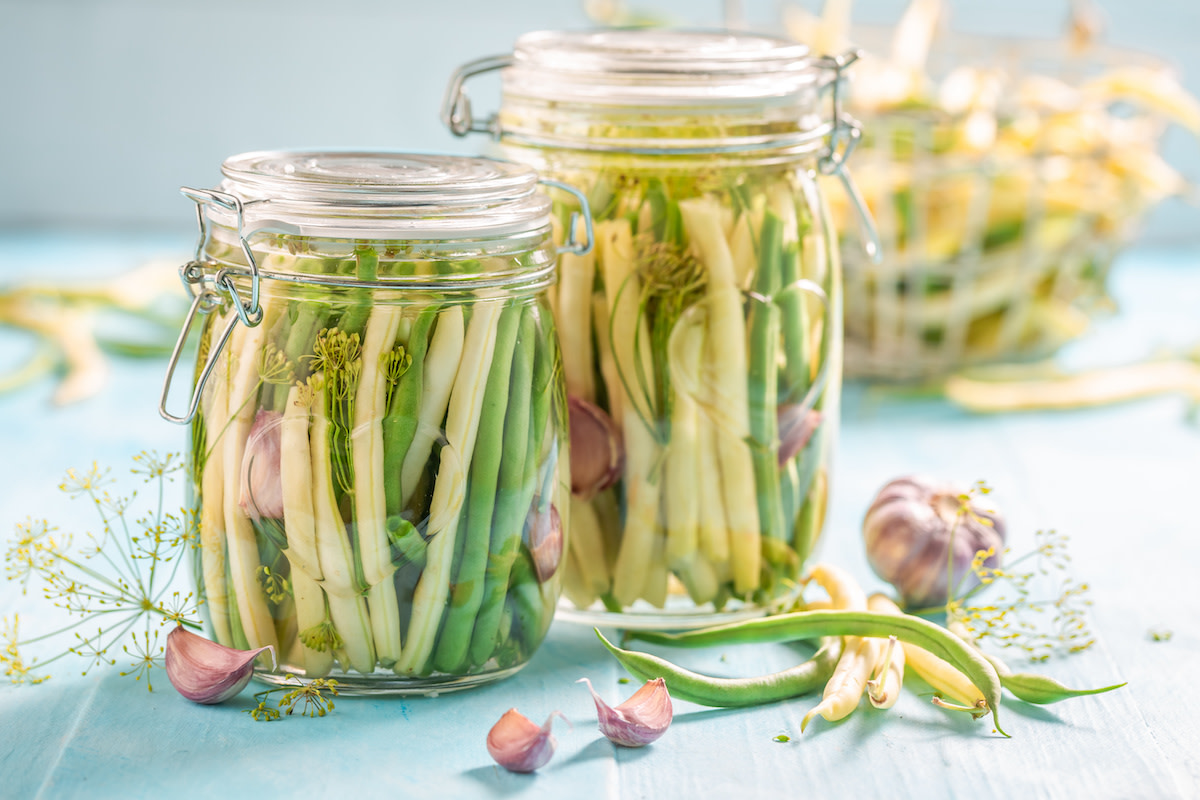
These quick pickled green beans can be added to an appetizer platter, popped into a bloody mary, folded into a potato salad, or layered atop savory dishes for a snappy, briny addition to any bite.

Learn From the Best
What Are Pickled Green Beans?
Pickled green beans are made by preserving fresh green beans in a pickling mixture of vinegar, water, sugar, salt, and seasonings. These bright, snappy vegetables (also known as dilly beans) are made by soaking green bean pods in a flavorful brine seasoned with cloves of garlic, black peppercorns, mustard seed, and coriander seed for a bold burst of sweet-and-spicy flavor. You can serve pickled beans with a salad, on a sandwich, in a grain bowl, or include them in an antipasto spread. You can also eat them straight out of the jar for a crisp, healthy snack or side dish packed with briny flavor.
5 Tips for Pickled Green Beans
Patience is key when it comes to making a perfectly pickled vegetable. Outside of the wait time, preparing pickled green beans is a minutes-long process. In spite of the ease of this process, there are a few things you can do to make sure your green beans turn out great.
- 1. Use fresh, high-quality produce. Pickling is the perfect way to preserve seasonal produce in peak form. Whether you’re getting them from the garden or grocery store, opt for fresh, brightly-colored green beans that have a firm, snappy texture. Never use frozen or spoiled green beans for pickling.
- 2. Mix and match vegetables. Pickled green beans are delicious on their own, but they also work well with a variety of other vegetables. Add other vegetables like sliced shallots, jalapeño peppers, zucchini, okra, and fresh dill sprigs to your green bean pickle for a well-rounded pickle mixture.
- 3. Change up the vinegar and seasonings. The vinegar and seasonings used in this quick pickle recipe can be adjusted to completely alter the flavor of your green beans. Play around with different kinds of vinegar—like rice vinegar, apple cider vinegar, and white wine vinegar—and add whole and ground spices for a unique taste. Include dill seed in your pickling liquid for a more dill pickle-inspired bite, or add some heat with red pepper flakes and cayenne pepper.
- 4. Find the right brine ratio. The ideal liquid ratio for any pickle brine is 1 part vinegar to 1 part water. For each cup of vinegar used, you should add 1 tablespoon of sugar and 2 teaspoons of salt. You can experiment by adding more or less vinegar, sugar, or salt depending on your preferences.
- 5. Store your pickles properly. You should always use an airtight glass canning jar or Mason jar that has been washed thoroughly to pickle your vegetables. Allow the brine to cool completely before storing it in the refrigerator for up to 2–3 weeks.
Pickled Green Beans Recipe
makes
2 pintsprep time
20 mintotal time
30 mincook time
10 minIngredients
Note that prep time and total time do not include 2 days of fermentation.
- 1
Divide the green beans and sliced garlic into 2 wide-mouth glass pint jars.
- 2
In a small saucepan over medium-high heat, add the vinegar, water, salt, sugar, black peppercorns, mustard seed, and coriander seed, and stir to combine.
- 3
Bring the liquid to a boil and simmer for 2 minutes, or until the sugar and water have dissolved. Remove the pan from the heat.
- 4
Pour the hot brine over the green beans, equally distributing the pickling spices into each jar. Leave about ¼ inch of headspace at the top of the jar.
- 5
Screw the lids onto the jars and allow the jars to cool to room temperature.
- 6
Transfer the jars to the refrigerator and let them sit for at least 48 hours before eating. Your pickled green beans will develop a stronger flavor the longer you let them sit.
Become a better chef with the MasterClass Annual Membership. Gain access to exclusive video lessons taught by the world’s best, including Alice Waters, Gabriela Cámara, Niki Nakayama, Chef Thomas Keller, Gordon Ramsay, Yotam Ottolenghi, Dominique Ansel, and more.

Food
Wine 101: What Is Barrel Aging? Understanding the Barrel Aging Process in Winemaking and the Difference Between Steel and Oak Barrels
Sep 2, 2022

Food
Simple Syrup Recipe: How to Make Simple Syrup for Cocktails
Sep 6, 2026
Food
Almond Meal vs. Almond Flour: What’s the Difference?
Sep 7, 2021
Food
What Is DOC and DOCG Wine? Differences Between DOC, DOCG, IGT, and VdT on Italian Wine Labels
Aug 10, 2021
Food
How to Cut Shiitake Mushrooms
Mar 25, 2022
Food
How to Sharpen a Serrated Knife: Method and Tips
Jan 4, 2022
Other articles
Claude Debussy: A Guide to Claude Debussy’s Life and Music
Jun 25, 2021
How to Play Basketball: Explore the Basics of Basketball
Jun 7, 2021
How to Write a Horror Story in 7 Steps
Dec 8, 2021
Daniel Pink’s ABC’s of Selling: Inside the 3 Key Sales Qualities
Dec 10, 2021
Heavy Metal Music Guide: A Dive Into Heavy Metal Music
Jul 15, 2021
Learn the Difference Between Phrases and Clauses
Aug 11, 2021